

Ambroxan
Ambroxan Ambroxan is a high-impact amber–woody aroma chemical renowned for its exceptional fixative power, diffusion, and longevity. Originally developed as a sustainable alternative to natural
Iso E Super
Iso E Super Iso E Super is a synthetic fragrance ingredient with a soft woody, amber-like quality and velvety sillage. While its scent is understated,
Isoamyl Acetate
Isoamyl Acetate Isoamyl acetate is an ester aroma component with a distinct banana and tropical fruit scent. Its aroma is lively and diffuses quickly, making
Angelica Lactone α
Angelica Lactone α Angelica Lactone α is a lactone aroma compound with warm, creamy, slightly caramel and root notes, often used to enhance the naturalness,
Ethyl Vanillin
Ethyl Vanillin Ethyl vanillin is an aromatic aldehyde with a stronger and sweeter vanilla scent. Its aroma intensity is significantly higher than that of vanillin.
Vanillin
Vanillin Vanillin is an aromatic aldehyde with a sweet, soft, and typical vanilla scent. It is one of the most basic and crucial structural ingredients
Coumarin
Coumarin Coumarin is a lactone aroma compound with warm, sweet, hay- and almond-like notes. It is a key structural ingredient in classic oriental, fougère, and
Cinnamaldehyde
Cinnamaldehyde Cinnamaldehyde is an aromatic aldehyde with a warm, spicy, and sweet cinnamon scent. It is an indispensable core ingredient in oriental, spicy, and festive
Cinnamyl Alcohol
Cinnamyl Alcohol Cinnamyl alcohol is an aromatic alcohol with a warm, slightly sweet, and floral cinnamon-like scent. Its aroma is milder and less pungent than
Citral
Citral Citral is a linear aldehyde aroma component with a strong, fresh lemon scent. Its aroma is bright, clean, and highly sillage, making it a
Indole
Indole Indole is a nitrogen-containing heterocyclic aromatic compound, originally discovered in indigo dye, and naturally found in various plants (such as jasmine and orange blossom)
Methyl Anthranilate
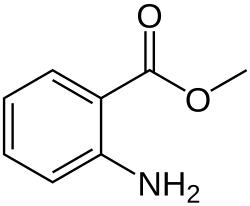
Methyl Anthranilate Methyl anthranilate is a classic fragrance molecule that combines natural notes with precise laboratory synthesis. It is naturally found in orange blossom, grape,