
How long does a perfume last and what can make it last longer?
A perfume’s journey begins the instant it touches the skin. The life cycle unfolds in three acts: the top notes—bright and volatile—make the first impression; the heart notes bloom as the perfume warms, revealing its character; the base notes linger last, grounding the fragrance with depth and warmth. This evolution defines the rhythm of perfume longevity.
Sillage, projection, and longevity are distinct yet interconnected. Sillage describes the scent trail left behind; projection measures how far the scent radiates from your body; longevity is the total time the perfume remains perceptible. A balanced fragrance achieves harmony among all three.
Perfume concentration plays a defining role. Parfum, with up to 30% aromatic oils, offers the longest wear—often 8 to 12 hours. Eau de Parfum (EDP) follows, rich but not overpowering, lasting around 6 to 8 hours. Eau de Toilette (EDT) and Eau de Cologne (EDC), lighter in composition, deliver shorter bursts of freshness.
At a molecular level, volatility dictates persistence. Lighter molecules such as citrus and green notes evaporate swiftly, while heavier ones—amber, woods, and resins—anchor the scent. This delicate dance between evaporation and fixation is where chemistry meets artistry.
The Factors That Influence How Long a Perfume Lasts
Not all perfumes are created equal, and not all bodies host them the same way. Ingredient composition plays a major role. Natural ingredients may exude complexity but are often less stable than synthetics engineered for endurance. Modern perfumery frequently blends both, creating balance between authenticity and resilience.
Skin chemistry is another invisible variable. Factors such as pH balance, hydration, and even diet can influence how perfume behaves. Oily or well-moisturized skin tends to retain scent molecules longer, while dry skin accelerates evaporation.
Environmental conditions dramatically affect longevity. Heat amplifies diffusion but also hastens evaporation. Humidity intensifies floral and fruity notes, while cold air slows molecular activity, muting projection. A summer perfume may not thrive in winter—and vice versa.
Application habits often determine the difference between a fragrance that fades within hours and one that lingers all day. Spraying too close or rubbing wrists can break molecular bonds, while over-spraying can dull the olfactory experience altogether.
The Secrets to Making Your Perfume Last Longer
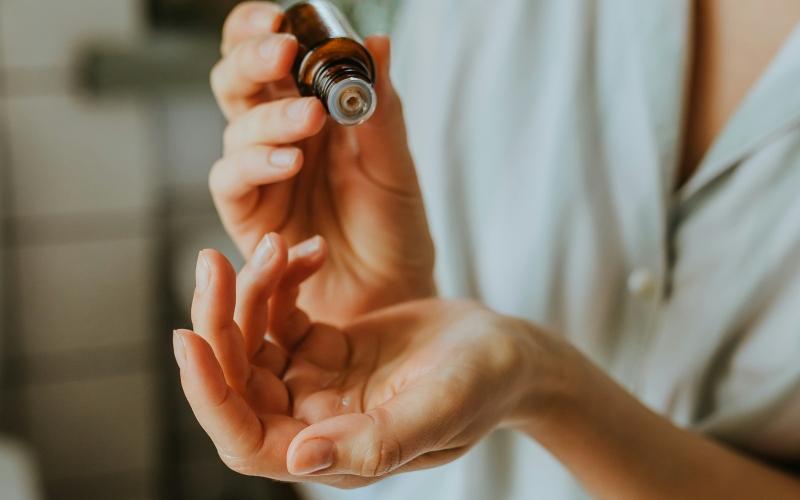
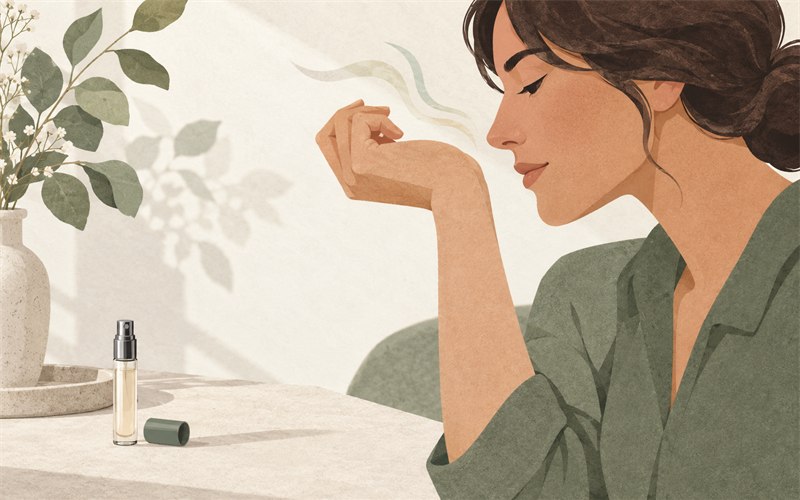
Longevity begins with strategic application. Pulse points—wrists, behind the ears, at the base of the throat, and inner elbows—emit heat that helps fragrance diffuse naturally. Spraying on clothing or hair can also prolong wear, as fabric and keratin trap scent molecules more effectively than skin.
Layering creates depth. Using a matching lotion, oil, or shower gel reinforces the scent pyramid, extending its life. Subtle layering—combining complementary notes like vanilla and amber or rose and musk—can transform an ordinary perfume into a personal signature.
Moisturized skin holds perfume longer. Applying an unscented lotion or light oil before spraying creates a binding layer, slowing evaporation. Think of it as a primer for your fragrance.
Reapplication requires finesse. Rather than overwhelming the senses, focus on pulse points or lightly misting hair and clothing for a subtle refresh.
When choosing perfumes for endurance, gravitate toward oriental, woody, and gourmand families. These rich compositions are built with dense base notes that naturally last longer than airy citrus or aquatic blends.
Preserving Perfume Longevity in the Bottle
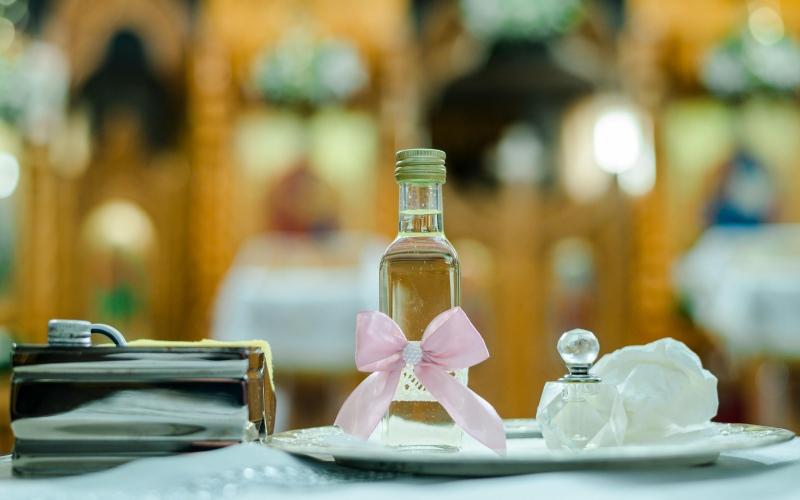
Perfume longevity doesn’t only depend on how you wear it—it also relies on how you store it. Light, heat, and oxygen are the silent enemies of fragrance molecules. Direct sunlight or warm environments cause oxidation, dulling both color and scent.
The ideal storage environment is cool, dark, and stable. A bedroom drawer or closet shelf is far better than a bathroom counter. Keeping the bottle sealed tightly prevents air from degrading the formula.
A slightly aged perfume can sometimes develop warmer undertones, but once oxidation turns the scent sour or metallic, it’s beyond revival. To preserve aging bottles, consider decanting small amounts into airtight atomizers for daily use.
Shelf life varies. On average, perfumes last 3 to 5 years when stored properly, though some heavier compositions—especially those with amber and musk—can remain exquisite for decades.
Perfume Types and Their Average Lifespan on Skin
Citrus and floral perfumes captivate with brightness but fade quickly. Their high volatility means they often last just 2 to 4 hours, perfect for daytime or warmer climates.
Woody, musky, and amber-based compositions, on the other hand, excel in longevity. The dense molecular structure of ingredients like sandalwood, patchouli, and tonka bean anchors them to the skin, allowing them to persist for 8 hours or more.
Iconic long-lasting perfumes include Chanel Coco Mademoiselle, Yves Saint Laurent Black Opium, and Tom Ford Tobacco Vanille—each crafted with intricate base notes that evolve beautifully throughout the day.
Reformulations can subtly shift longevity. Changing ingredient sourcing or reducing concentration may alter performance. Comparing vintage and modern versions often reveals differences in both richness and endurance.
Common Myths About Perfume Duration and Fixing Power
More sprays don’t equate to more longevity. Oversaturation can actually desensitize your nose and those around you. It’s better to spray strategically than excessively.
Rubbing wrists together—a habit many share—destroys the delicate molecular bonds that help perfume evolve naturally. It’s the equivalent of cutting short the fragrance’s opening act.
Price is not a guarantee of endurance. Some luxury perfumes are designed for subtle projection, while affordable fragrances built with stable synthetics can last astonishingly long. Quality lies in formulation, not in cost.
Finally, the myth that perfume always gets stronger with age is misleading. While some deepen gracefully, others spoil. A sour, metallic, or flat aroma indicates oxidation—a sign it’s time to retire the bottle.
The true art of fragrance lies not only in how long it lasts, but in how meaningfully it lingers—leaving behind a trail that tells your story, one breath at a time.