


Niche vs Designer Perfume: Differences in Scent, Price, Marketing and Performance
Choosing between niche and designer perfume becomes easier when you separate the brand from the bottle. A fragrance house can belong to a large beauty group. A fashion house can offer an unusually focused scent. Neither label tells you how a perfume will smell on your skin after lunch. The main difference is the brand’s origin and positioning. Niche perfumery traditionally puts fragrance at the centre of its identity; designer perfume carries the identity of a fashion or luxury house. Scent style, price, marketing and wear performance overlap. Use those labels to find interesting candidates, then judge the individual perfume…

Does Expensive Perfume Really Last Longer? Price, Materials and Performance Explained
The expensive bottle looks convincing: substantial glass, a carefully chosen name, perhaps a scent you have wanted for months. Then comes the practical question. Will it still smell good when your day is nearly over? Expensive perfume can last longer, and some comparative tests have found that advantage. Price alone does not guarantee it. Detectable wear depends on how the actual blend releases fragrance from your skin, the dose and conditions, and how you perceive it. Judge the exact perfume by its drydown and a repeatable wear comparison before treating a higher price as payment for extra hours. Some pricier…
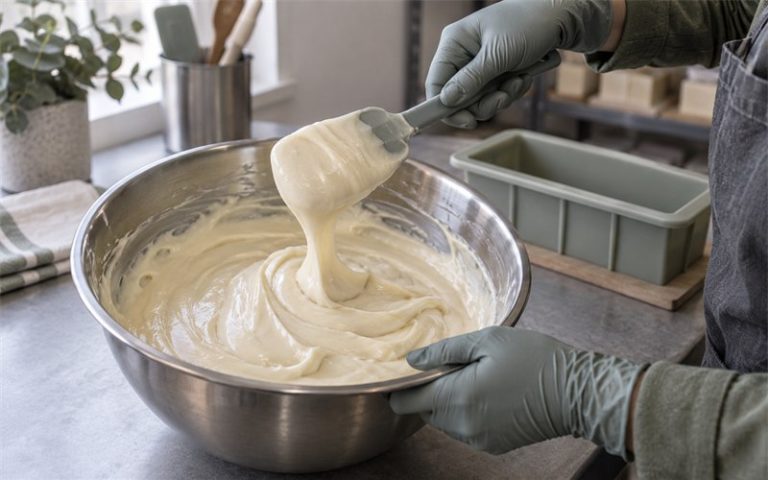
Why Fragrance Oils Accelerate, Rice or Seize in Cold Process Soap
You add the fragrance, stir, and suddenly the soap batter leaves a deep groove instead of a smooth ribbon. Sometimes there are grains; sometimes the entire bowl becomes too stiff to pour. The timing makes the fragrance an obvious suspect. Understanding the change takes a closer look. Fragrance-associated acceleration, ricing and seizing describe different changes in a particular soap base: faster bulk thickening, small lumps, and extreme loss of flow. Published supplier accounts point to interactions between the fragrance and base, but the sources reviewed here do not establish one chemical mechanism that explains every blend and symptom. Cooling hard…

Can the Wrong Wick Make Your Fragrance Oil Smell Weak?
A fragrance oil can smell clear and expressive in the bottle, then seem almost absent when the candle is lit. It is tempting to blame the oil immediately. In many cases, the wick is part of the problem because it controls the heat and melt pool that allow fragrance to reach the air. Key takeaway: The wrong wick can make a candle’s fragrance seem weak, yet a wick is only one variable in the finished system. Test wick series and sizes against the actual wax, vessel, fragrance load, and burn conditions before changing the fragrance oil or increasing dosage. Hot…

Does Candle Cure Time Affect Hot Throw? What Makers Should Test
A candle can smell promising after it cools and still perform very differently once it has rested and completed a full burn cycle. Makers often call that resting period “cure time.” It matters, yet it is only one part of the candle system. Key takeaway: Cure time can affect how a candle’s cold throw and hot throw are judged, so makers should test after the wax supplier’s recommended cure window. It cannot rescue an unsuitable wick, vessel, fragrance load, or fragrance–wax pairing. A useful hot-throw result comes from a controlled burn test, not from waiting for a magic number of…

Why Do Some Home Fragrances Cause Headaches, and How Can Brands Make Softer Scents?
A diffuser that feels inviting in a showroom can become tiring in a small bedroom after several hours. The same can happen with a scented candle near a desk, a strong air freshener in a car, or a room spray used just before guests arrive. When someone says a home fragrance “gave me a headache,” the scent is often the most obvious part of the experience. It is rarely the whole explanation. Key takeaway: Home fragrances can feel headache-inducing when intensity, room size, ventilation, exposure time, and individual sensitivity combine poorly. Brands can make softer scents by designing for controlled…
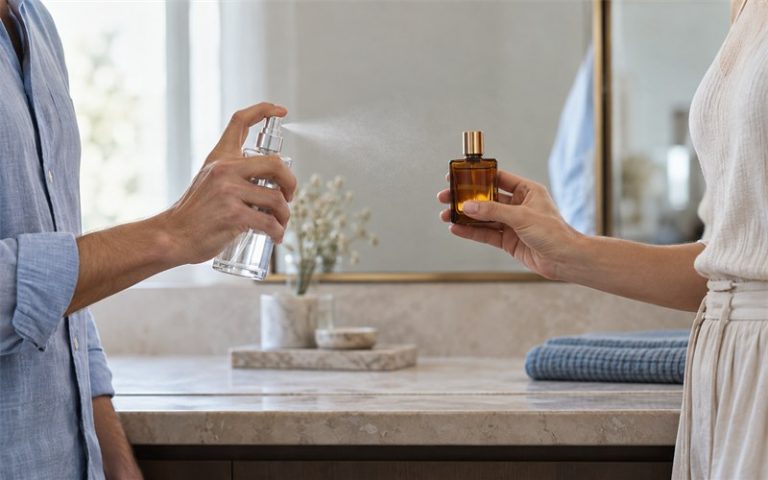
Body Mist vs Eau de Parfum: What’s the Difference in Strength and Longevity?
Body mist and eau de parfum can share a scent family, yet they are designed for different moments. One is usually airy, casual, and easy to reapply. The other is built for a more concentrated, longer-lasting fragrance experience. Comparing the two by price or bottle size alone misses what the format is meant to do. Key takeaway: Body mist is usually the better choice for a light, quick refresh; eau de parfum is generally the stronger option when you want more presence and a longer drydown. Actual performance still depends on formula, dose, skin, climate, fabric, and the individual product.…

How to Layer Perfume Without Ruining the Scent: Oils, Lotions and Sprays
Layering perfume can make a familiar scent feel softer, warmer, cleaner, or more personal. It can also turn a well-balanced formula into a blur. The difference is rarely about owning more bottles. It comes from understanding what each layer contributes, how strongly it projects, and where it sits on skin, hair, or fabric. Key takeaway: Start with one quiet base, then add one fragrance with a distinct job. A matching body lotion can extend a scent without changing its character; a second perfume should add contrast in a controlled way. Test each pairing on skin before wearing it in a…
Are Perfume Dupes Legal and Safe? What Consumers and Brands Should Know
A perfume dupe can be tempting: familiar scent territory, a lower price, and an easy comparison. Yet the word “dupe” compresses several different questions into one. A fragrance may echo a popular olfactory family without being unlawful; a product that looks or markets itself like another brand can create a very different risk. Safety is separate again. Similarity to a famous perfume says little about whether a particular formula, label, or finished product is appropriate for its intended use. Key takeaway: A perfume dupe is not automatically illegal or unsafe. The practical questions are whether its name, packaging, advertising, or…