

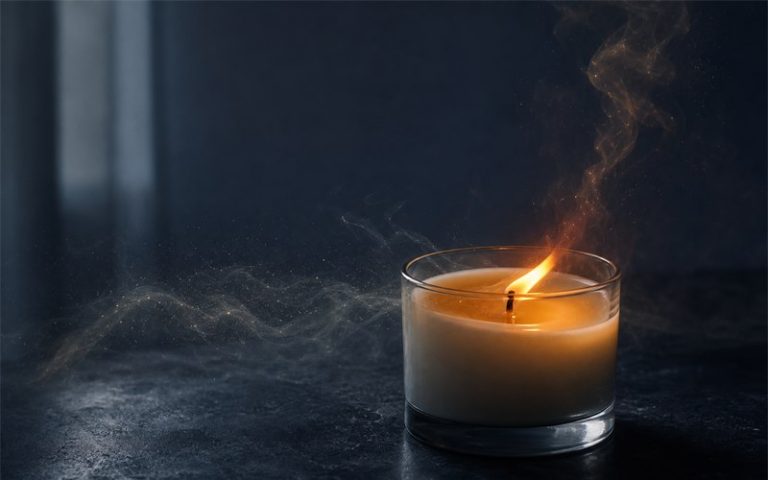
Why Your Candle Has Great Cold Throw but No Hot Throw
A Strong Jar Scent Can Disappear After Lighting The lid comes off and the candle smells rich, clear, and immediately saleable. Twenty minutes after lighting, the room still smells almost unchanged. That contrast is frustrating because the candle has already proved that fragrance is present. It has not proved that the system can release that fragrance efficiently during a controlled burn. Cold throw describes the fragrance perceived from an unlit candle. Hot throw describes the fragrance released while the candle burns. A candle can excel at the first and fail at the second when the wax, fragrance, wick, vessel, cure,…
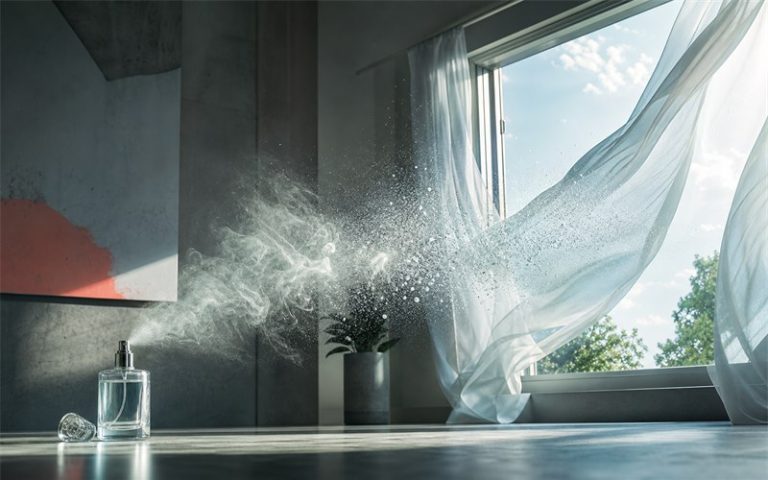
What Makes a Perfume Too Strong How to Balance Intensity Comfort and Occasion
When a Beautiful Perfume Takes Over the Room A fragrance can smell polished on a blotter and still feel overwhelming after three sprays in a warm car, a small meeting room, or a crowded restaurant. The problem may appear as a sharp opening that fills the air too quickly, a sweet accord that becomes dense after an hour, or a trail that remains noticeable long after the wearer has stopped detecting it. A perfume feels too strong when its perceived intensity exceeds the comfort level of the wearer or the people sharing the space. Concentration contributes, although it is only…

Why Perfume Smells Different on Different People: Skin Chemistry Explained
The Same Bottle Can Tell Two Different Stories You smell a perfume on a friend and catch a clean cedar trail with a soft, musky warmth. On your own wrist, the opening feels brighter, the floral heart seems louder, and the drydown arrives sooner. That experience is common. A perfume formula is the same in the bottle, yet the smell that reaches your nose is shaped by the skin, the air around it, and the way the fragrance is worn. The difference is rarely a mysterious chemical reaction that turns one perfume into another. More often, it is a shift…

How to Blind Buy Perfume Safely: Notes, Reviews, Samples and Risk Control
Blind Buying Is a Guess, So Make It a Better Guess Blind buying perfume means purchasing without smelling it first. It can be exciting, especially when a review sounds perfect or a limited bottle is about to sell out. It can also disappoint quickly. Skin chemistry, scent memory, climate, concentration, and personal tolerance all affect whether a perfume feels beautiful or unwearable. The safest approach is not to remove all risk. The goal is to reduce avoidable risk before spending full-bottle money. A Risk-Control Checklist Before buying, slow down and check the factors that predict whether a fragrance is likely…

Why Do Perfumes Get Reformulated? IFRA, Cost, Ingredients and Performance Explained
Reformulation Is Common in Modern Perfumery A perfume can change after launch for many reasons. Sometimes the difference is barely noticeable. Sometimes loyal customers feel the scent has lost depth, projection, or a familiar drydown. Reformulation is part of the practical life of fragrance. Ingredients change, regulations evolve, suppliers discontinue materials, packaging shifts, costs rise, and brands update performance targets. The best reformulations preserve the recognizable character of the scent while keeping the product commercially and legally viable. The Main Reasons Perfumes Get Reformulated Reformulation is rarely caused by one single factor. A brand may face several pressures at the…

Fragrance Allergy vs Fragrance Sensitivity: What Brands and Consumers Should Know
Two Similar Words That Need Different Responses Fragrance allergy and fragrance sensitivity are often used as if they mean the same thing. They can overlap in everyday conversation, yet they point to different problems. A fragrance allergy usually involves an immune reaction, often visible on skin as allergic contact dermatitis. Fragrance sensitivity is broader. It may involve headache, nausea, eye irritation, throat discomfort, migraine triggers, or a strong sensory reaction to scent. This distinction matters for consumers choosing products and for brands writing claims, labels, and customer guidance. Clear language prevents confusion and helps people make safer decisions. How Allergy…
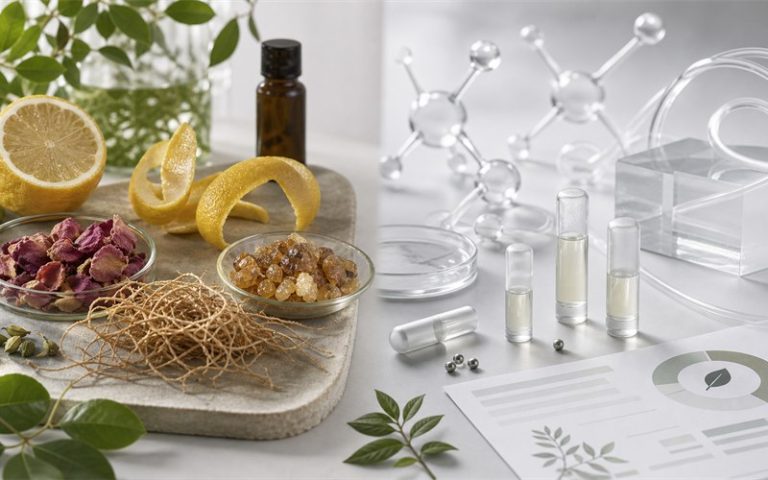
Natural vs Synthetic Fragrance: Which Is Safer, Longer-Lasting and More Sustainable?
Natural and Synthetic Are Sourcing Terms, Not Quality Scores Natural fragrance materials come from plants, resins, flowers, woods, citrus peels, spices, or other natural sources. Synthetic fragrance materials are made through chemical synthesis, biotechnology, isolation, reconstruction, or other controlled processes. Both can be beautiful. Both can be safe when used correctly. Both can cause problems when poorly chosen, overdosed, mislabeled, or used without proper documentation. The useful question is not which side is morally superior. The useful question is which material profile fits the product, market, safety limits, sustainability goals, price, and scent direction. A Practical Comparison Consumers often hear…
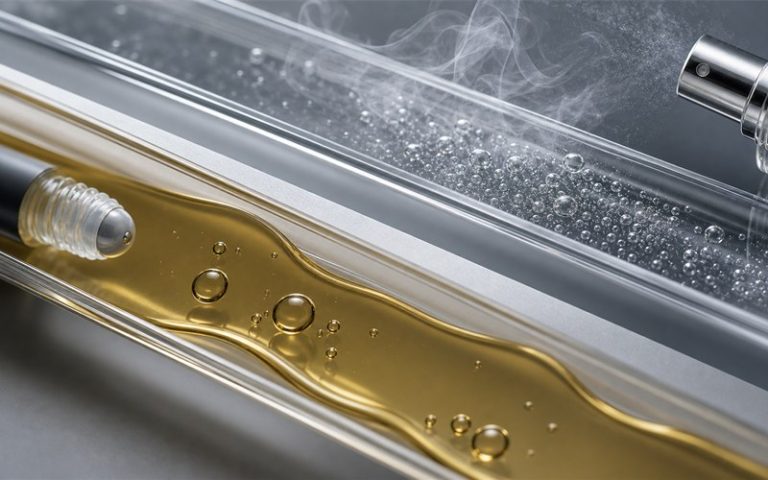
Oil-Based Perfume vs Alcohol-Based Perfume: Longevity, Projection and Best Use Cases
The Base Changes How a Perfume Behaves Oil-based perfume and alcohol-based perfume can use similar fragrance ideas, yet they wear very differently. The carrier changes evaporation speed, projection, skin feel, packaging, and customer expectations. Alcohol sprays usually feel brighter and more diffusive. Oil perfumes usually feel closer to the skin, smoother, and longer on the application point. Neither format is automatically better. The right choice depends on the product story, market, climate, price tier, packaging, and how the customer is expected to use the scent. Side-by-Side Comparison The simplest way to compare the formats is to separate wear experience from…
Why Does Perfume Give Me a Headache? Notes, Ingredients and Sensitivity Explained
When a Beautiful Scent Feels Physically Uncomfortable Perfume is meant to be pleasurable, yet some people experience headaches, nausea, throat irritation, watery eyes, dizziness, or skin discomfort around fragrance. The reaction may come from the scent intensity, the surrounding air, personal sensitivity, or a true allergy. This does not mean every perfume is unsafe for everyone. It means fragrance is a complex mixture of volatile materials, and each person has a different sensory threshold. If perfume regularly triggers strong symptoms, treat that signal seriously. Reducing exposure, improving ventilation, choosing gentler formats, and speaking with a clinician for persistent or severe…