

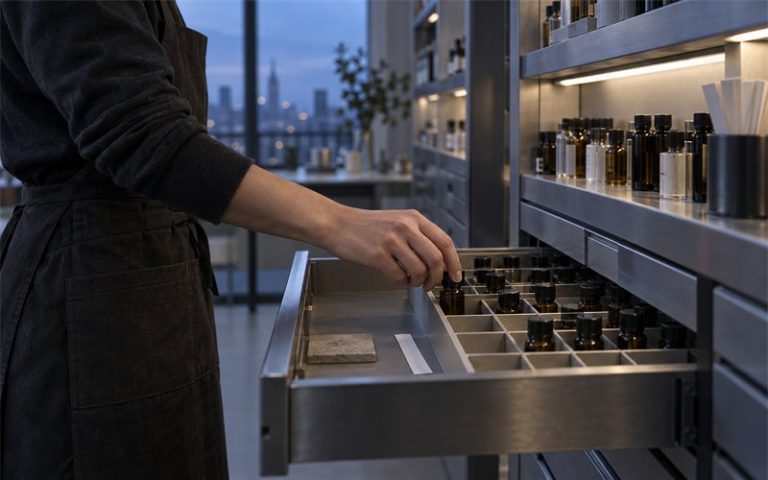
Ambergris vs Ambroxan: What’s the Difference in Modern Perfumery?
Ambergris vs Ambroxan: What’s the Difference in Modern Perfumery? Ambergris and Ambroxan are connected in perfume history, yet they are not the same material. One is a rare waxy substance historically associated with sperm whales. The other is a modern aroma material, also called ambroxide, used to create an ambergris-like effect with far more predictable supply and formulation control. Key takeaway: Ambergris is a historical natural material with variable origin and legal or ethical considerations. Ambroxan is a specific modern fragrance material valued for dry, mineral, woody-amber warmth and persistence. A fragrance brief should describe the desired scent effect and…
What Is Musk in Perfume? Natural Musk, Synthetic Musks and Modern Safety
What Is Musk in Perfume? Natural Musk, Synthetic Musks and Modern Safety Musk is one of perfumery’s most misunderstood words. It can describe a soft “skin scent,” a clean laundry effect, a warm powdery base or a historical animal-derived material. Modern perfume almost always uses a range of synthetic musk materials rather than natural animal musk, and the category has changed substantially as science, conservation and safety assessment have evolved. Key takeaway: In contemporary perfumery, “musk” usually refers to synthetic materials that add softness, diffusion, cohesion or substantivity. Natural musk is not the normal commercial reference point. A musk’s suitability…
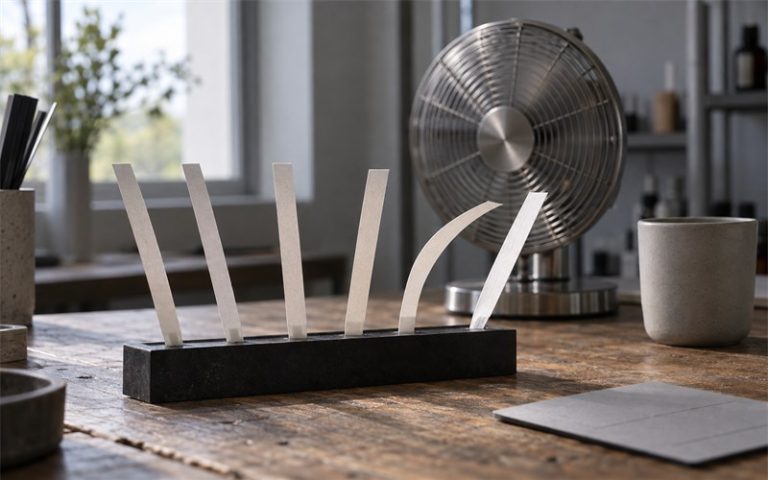
Which Perfume Notes Last the Longest? Vanilla, Musk, Woods, Amber and Beyond
Which Perfume Notes Last the Longest? Vanilla, Musk, Woods, Amber and Beyond A bright citrus opening can disappear before lunch, while a soft amber trace lingers on a scarf for days. That contrast is real, yet it does not mean every vanilla, musk or woody perfume will outlast every fresh one. Longevity is built from material volatility, dosage, the surrounding accord, the product base, skin and climate. Key takeaway: Vanilla, musks, woods, amber materials and resinous notes often support the longest drydown because many are less volatile or are used to give a formula persistence. Their presence alone does not…
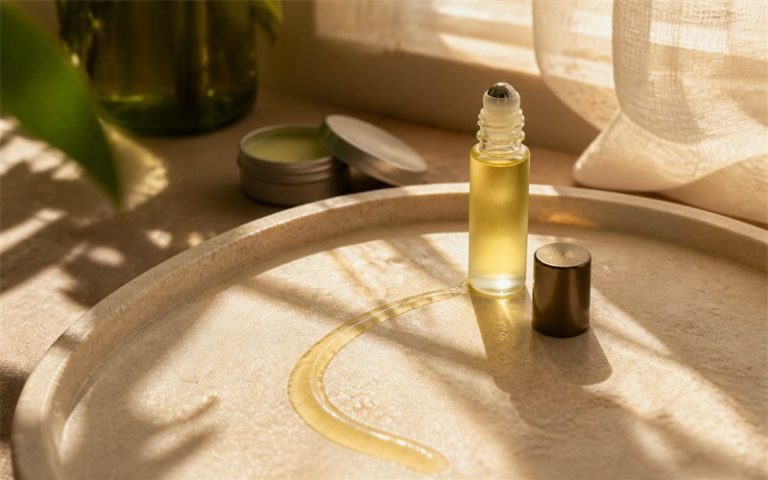
Alcohol-Free Perfume: Benefits, Limitations and Best Product Formats
Alcohol-free is a format choice, not a shortcut An alcohol-free perfume can feel softer, more intimate and easier to carry than a classic spray fragrance. It can also open differently, project differently and ask more of the product developer. The best choice depends on where the scent will be used, what texture customers expect and how the formula behaves in its final package. Key takeaway: Alcohol-free perfume usually uses an oil, water-based or balm-style carrier instead of ethanol. It may suit consumers seeking a gentler application feel or a travel-friendly format, yet it is not automatically longer-lasting, more suitable for…
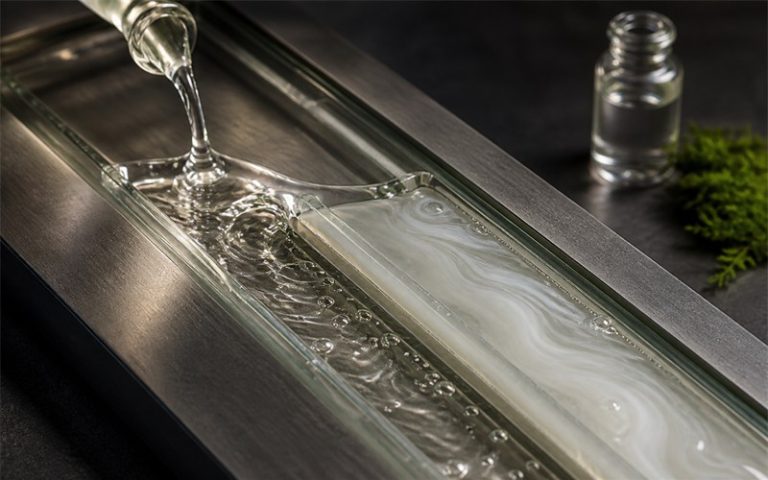
What Does Phthalate-Free Fragrance Mean, and Is It Always Better?
A label claim needs a little context “Phthalate-free fragrance” sounds simple: a product or fragrance compound has been formulated without the phthalates covered by that claim. The phrase can be useful, especially when a brand has a clear ingredient policy. It does not, by itself, tell a buyer how the fragrance performs, whether the finished product is suitable for every market, or whether every other safety and compliance question has been answered. Key takeaway: Phthalate-free is a formulation claim, not a universal quality grade or a complete safety conclusion. Ask which phthalates are excluded, what product category and market are…
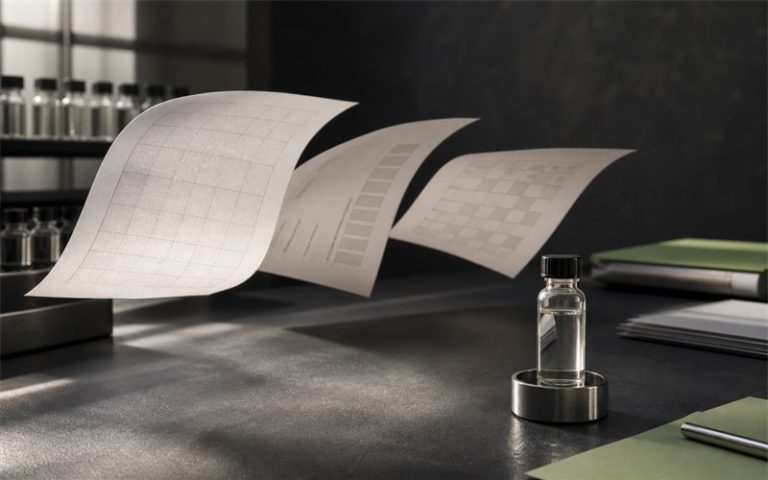
SDS vs IFRA Certificate vs COA: What Fragrance Buyers Should Ask Suppliers For
Three documents, three different decisions A fragrance supplier sends a certificate, a test report and a safety sheet. The documents look official. Yet they answer different questions, and treating one as a substitute for another can leave a buyer with a gap just when sampling, shipment or market review becomes urgent. Key takeaway: Ask for an SDS to understand workplace and transport hazard information, an IFRA Certificate of Conformity to check a fragrance mixture against its intended finished-product use, and a COA to confirm the identity and agreed quality results of a specific batch. Together they improve due diligence; none…
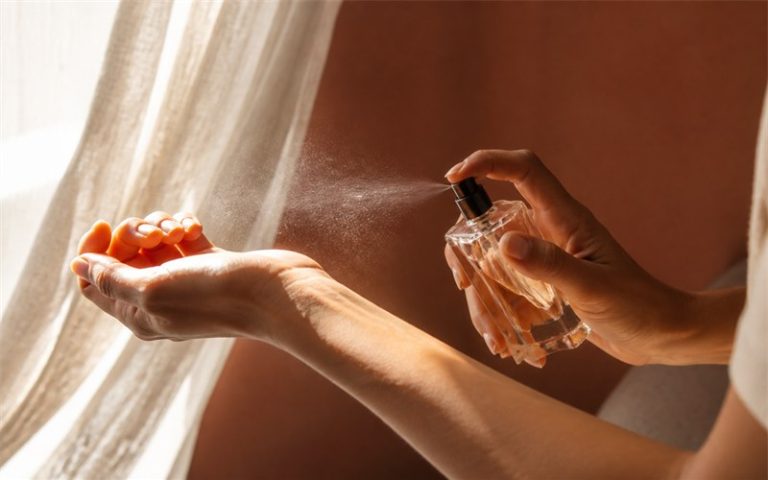
Should You Spray Perfume on Skin or Clothes? Longevity, Staining and Safety
Skin and fabric tell a perfume different stories Spraying perfume on skin gives it warmth, movement and the chemistry of the wearer. Spraying it on clothes can make some notes linger longer, yet fabric introduces a different set of questions: staining, fibre compatibility, colour transfer and how the scent develops without skin warmth. Neither choice is universally right. Key takeaway: Apply perfume to clean, healthy skin when you want to experience the formula as it was designed for personal wear. Use clothing only with caution, after a discreet fabric test, and avoid delicate materials, pale silk, leather, suede and jewellery.…
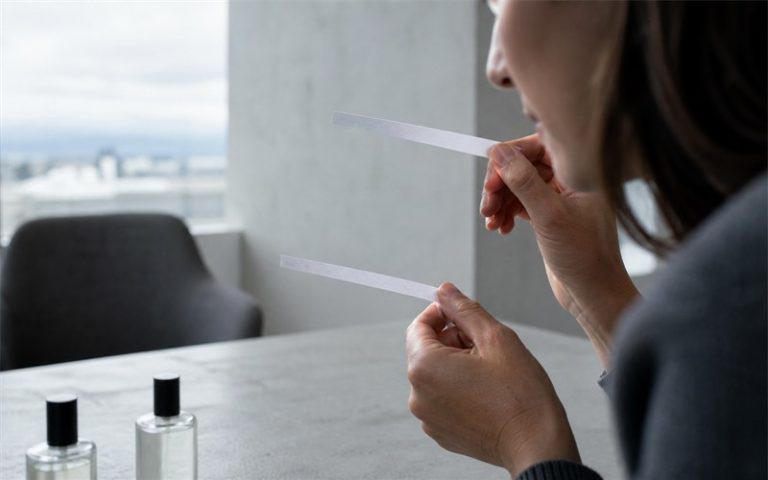
Why Does the Same Perfume Smell Different from Bottle to Bottle?
Two bottles can be genuine and still smell different You open a new bottle of a familiar perfume and the first spray feels brighter, sweeter, sharper or simply less familiar. That experience does not automatically mean the product is fake or defective. Perfume is a complex mixture, and perception changes with batch variation, storage, skin, atmosphere, spray dose and expectation. Key takeaway: Small differences between bottles can be normal, especially with natural extracts and changing storage conditions. A clear shift in colour, odour or spray performance deserves closer attention. The most useful comparison uses two fresh samples on identical blotters,…
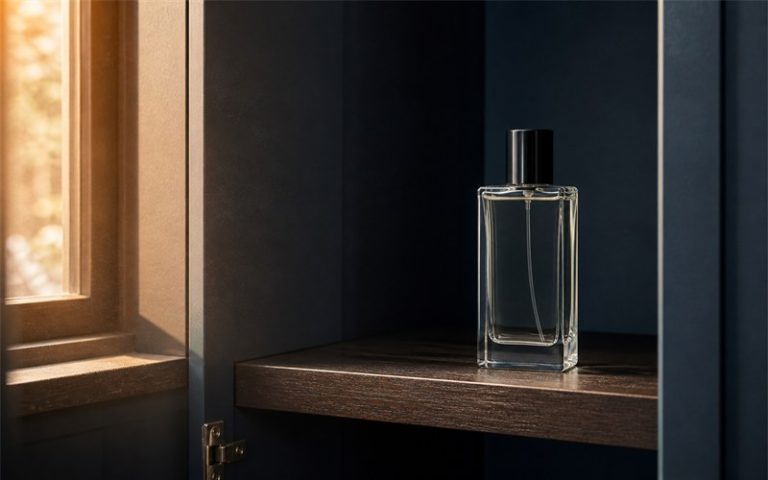
How to Store Perfume So It Doesn’t Go Bad: Heat, Light and Shelf Life
Perfume usually ages quietly before it smells obviously wrong A perfume rarely turns bad overnight. More often, its bright opening becomes flat, its colour deepens, or the drydown starts to feel heavier than the original composition. Heat, ultraviolet light, oxygen and repeated temperature swings can all speed up those changes. The good news is that careful storage protects most finished perfumes far better than most people expect. Key takeaway: Store perfume upright in a cool, dark, stable place, ideally in its original box or a closed cabinet. Heat and direct light are the main avoidable risks. Refrigeration is rarely necessary…