

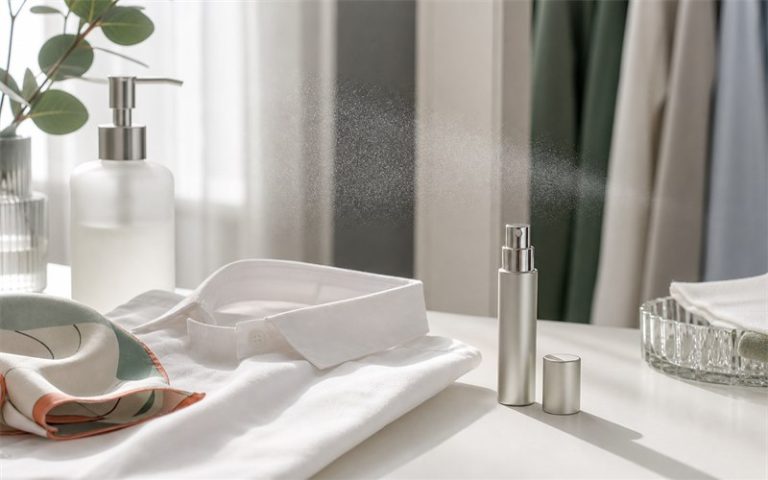
How to Apply Perfume So It Lasts Longer Without Overspraying
Longer Wear Starts Before the First Spray Many people try to make perfume last longer by spraying more. That can work for a short time, yet it often creates a harsh opening, wastes product, and makes the fragrance uncomfortable for people nearby. A better approach is to prepare the surface, choose the right spray points, use fabric carefully, and understand which fragrance types naturally last longer. The goal is controlled persistence: a scent that remains pleasant through the day without turning into a cloud that enters the room before you do. The Clean, Moisturized Skin Method Perfume lasts better on…
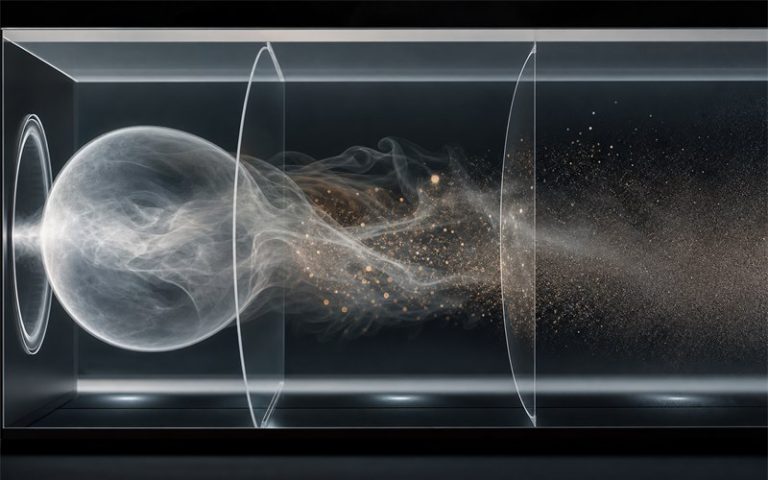
Perfume Projection vs Sillage vs Longevity: What Do They Actually Mean?
Three Performance Words, Three Different Jobs Perfume performance is often discussed as if it were one score. In reality, projection, sillage, and longevity describe three separate parts of the wearing experience. Projection is how far the scent radiates from your body. Sillage is the scented trail you leave behind as you move. Longevity is how long the fragrance remains detectable on skin, hair, or fabric. A perfume can project strongly for the first hour and still fade quickly. Another can stay on a sweater for two days with almost no room-filling presence. Understanding the difference helps consumers buy smarter and…
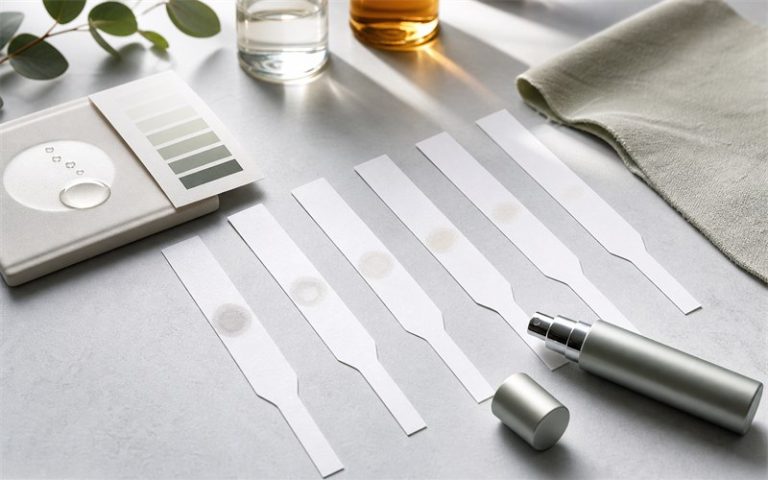
Why Doesn’t My Perfume Last Long? 12 Real Reasons and Practical Fixes
Perfume Longevity Is a Formula, Skin, and Usage Question When a perfume disappears quickly, the problem is rarely one single mistake. Longevity comes from the formula, the concentration, the materials, your skin condition, the weather, and the way the fragrance is worn. That is why two people can spray the same bottle and get very different results. One person may enjoy a soft trail for eight hours, while another feels the scent has vanished before lunch. For consumers, the fix starts with better application habits. For fragrance brands, it starts earlier, with material selection, base structure, stability testing, and a…

Resins and Balsams in Perfumery Myrrh, Incense, Styrax and Benzoin
Resins Give Perfume Its Slow-Burning Depth Resins and balsams are among perfumery’s oldest aromatic materials. They come from plant exudates, bark, tears, or balsamic secretions, then become oils, resinoids, absolutes, tinctures, or reconstructed accords for modern fragrance work. Their appeal is emotional and technical. Resins can smell smoky, sweet, leathery, mineral, vanilla-like, medicinal, incense-like, woody, or honeyed. They also help a formula feel anchored, textured, and long lasting. For brands, resinous materials are useful in fine fragrance, candles, incense-inspired collections, body care, room sprays, and premium private-label products that need a sense of warmth and substance. Resin, Balsam, Gum, and…
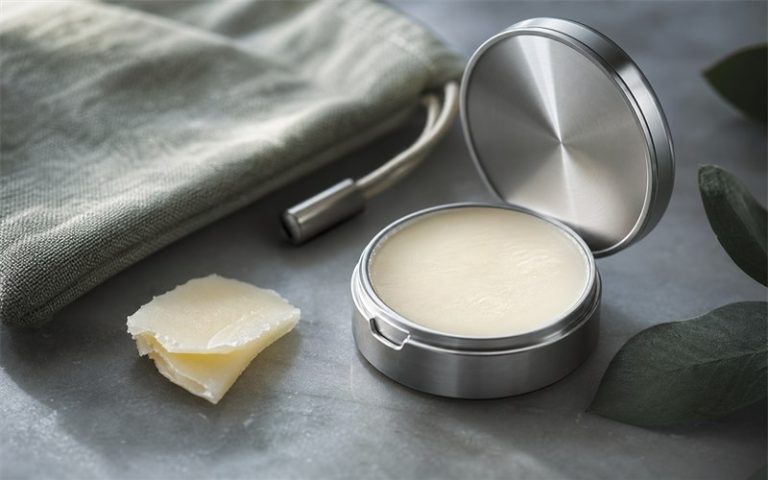
Do Solid Perfumes Work We Review the Trend in Solid Fragrances
Solid Perfume Is Having a Practical Moment Solid perfume feels newly fashionable, yet the idea is old: fragrance materials carried in waxes, butters, oils, or balms and applied directly to pulse points. The current trend is driven by travel convenience, low-spill packaging, skin-close scent, and interest in compact beauty formats. The main question is simple: do solid perfumes work? Yes, when the formula is designed for the format. They can smell beautiful, feel intimate, and be easy to reapply. They usually do not project like an alcohol spray, so expectations matter. For consumers and brands, solid fragrance is best understood…

How Perfume Is Made – A Master Perfumers’ Industry Guide
Perfume Begins With a Brief, Not a Bottle Perfume making starts before a single drop is weighed. A brand, evaluator, or perfumer first defines the brief: target customer, product type, price range, market, olfactive family, concentration, packaging, claim language, and launch timing. A clear brief might ask for a transparent citrus musk for summer body spray, a woody amber eau de parfum for men, or a resinous floral for a luxury gift set. A vague request such as make it elegant usually slows the process because elegance can mean clean, powdery, expensive, restrained, sensual, or classic. For commercial projects, this…
Perfume Making 101 – Mastering The Art Of Blending Perfumes
Perfume Making Starts With a Clear Smell Idea Perfume making can look mysterious from the outside, yet the working process is practical. A perfumer begins with a smell idea, chooses materials, builds accords, tests balance, evaluates the drydown, and adjusts the formula until the scent feels coherent. For beginners, the biggest lesson is patience. A perfume is not finished when it smells good in the first minute. It needs to unfold from opening to heart to base, and it needs to behave well in the intended product format. For brands, perfume making is also a business process. A scent must…

Masculine Fragrances Let’s Hear it For The Boy!
Masculine Fragrance Has Moved Beyond One Uniform Masculine fragrance used to be summarized with a narrow wardrobe: sharp citrus, lavender, oakmoss, shaving foam, leather, tobacco, and dry woods. Those materials still matter, yet today’s masculine scents have become broader, softer, fresher, darker, and more personal. A modern men’s fragrance might smell like mineral woods, clean musk, smoky vetiver, spicy amber, blue marine air, green fig leaf, black tea, suede, or creamy sandalwood. It may be worn by men, marketed to men, or enjoyed by anyone who likes its structure. For brands, this creates opportunity. Masculine fragrance can now serve grooming,…
9 Top Selling Candle Scents For Candle Manufacturers
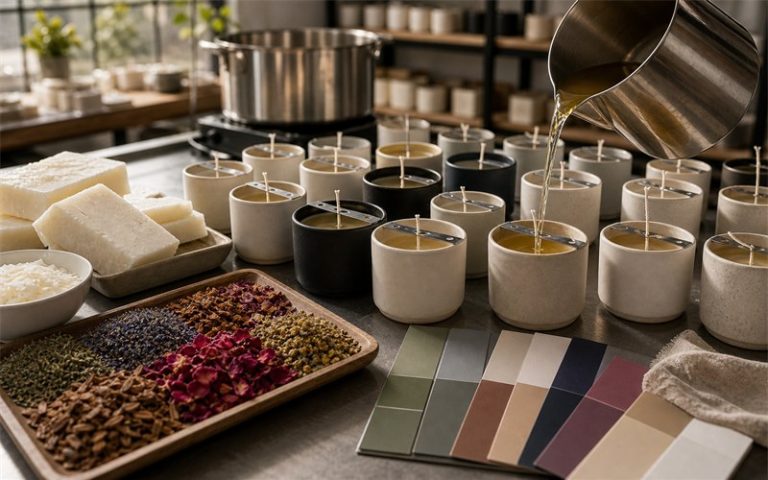
Candle Scents Sell a Mood Before They Sell a Product A candle is rarely bought for fragrance alone. Customers buy a room feeling: clean kitchen, calm bedroom, cozy winter evening, sunny citrus morning, luxury hotel lobby, or a warm bakery memory. That is why candle manufacturers need scent directions that are recognizable, stable, and easy to position. The best-selling candle scents tend to balance familiarity with a small twist. Vanilla, lavender, citrus, sandalwood, rose, linen, spice, gourmand, and marine-fresh styles stay popular because shoppers understand them quickly. The formula still needs refinement so the candle avoids smelling flat, harsh, or…