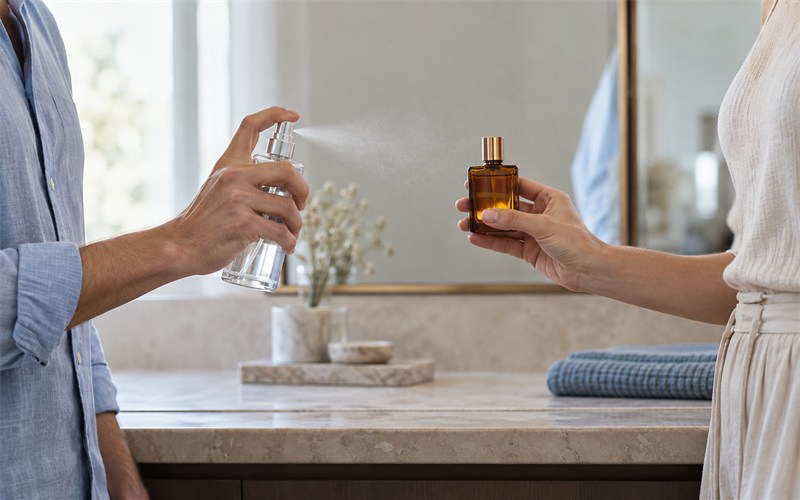

Why Your Candle Has Great Cold Throw but No Hot Throw
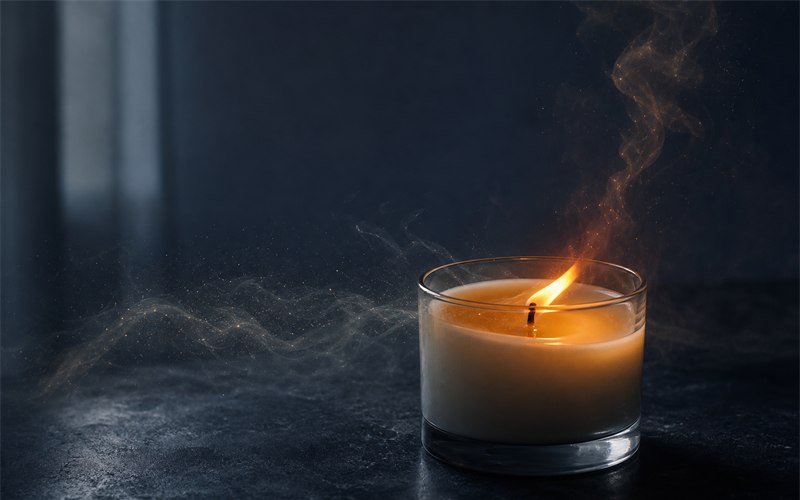
A Strong Jar Scent Can Disappear After Lighting
The lid comes off and the candle smells rich, clear, and immediately saleable. Twenty minutes after lighting, the room still smells almost unchanged. That contrast is frustrating because the candle has already proved that fragrance is present. It has not proved that the system can release that fragrance efficiently during a controlled burn.
Cold throw describes the fragrance perceived from an unlit candle. Hot throw describes the fragrance released while the candle burns. A candle can excel at the first and fail at the second when the wax, fragrance, wick, vessel, cure, and burn conditions do not work as one system.
Core answer: great cold throw with weak hot throw usually means the candle contains detectable fragrance, yet the melt pool and heat system are not releasing it into the room effectively. Check cure time, fragrance-wax compatibility, measured fragrance load, wick performance, melt-pool development, and test conditions before changing the scent.
Cold Throw and Hot Throw Measure Different Events
An unlit candle releases volatile fragrance from its exposed surface and the wax near it. During burning, heat melts wax around the wick and fragrance evaporates from the warm melt pool. The National Candle Association describes this heated wax pool as a key route for aroma release. The hot phase therefore depends on heat transfer and combustion as well as the fragrance itself.
| Observation | What it suggests | What to check next |
|---|---|---|
| Strong scent under the lid, weak room fill | Surface fragrance is noticeable; heated release is inefficient | Wick, melt pool, cure, and room conditions |
| Strong scent near the flame only | Some release occurs, but diffusion or evaporating area is limited | Vessel diameter, melt-pool width, and room size |
| Weak cold and hot throw | The fragrance-wax combination, load, or scent structure may be unsuitable | Fragrance selection, wax guidance, and weighed formula |
| Good early hot throw that fades | Burn progression, wick behavior, or nose adaptation may be involved | Later burn cycles, carbon buildup, and blinded evaluation |
| Strong throw with smoke or an oversized flame | More heat is present, but the burn may be unsafe or poorly controlled | Wick down and repeat the full safety test |
The distinction matters commercially. Cold throw can attract a shopper at the shelf, while repeat satisfaction often depends on performance in the intended room. Evaluate both, record them separately, and avoid using an impressive jar scent as a proxy for finished candle performance.
The Wax and Fragrance May Be a Poor Working Pair
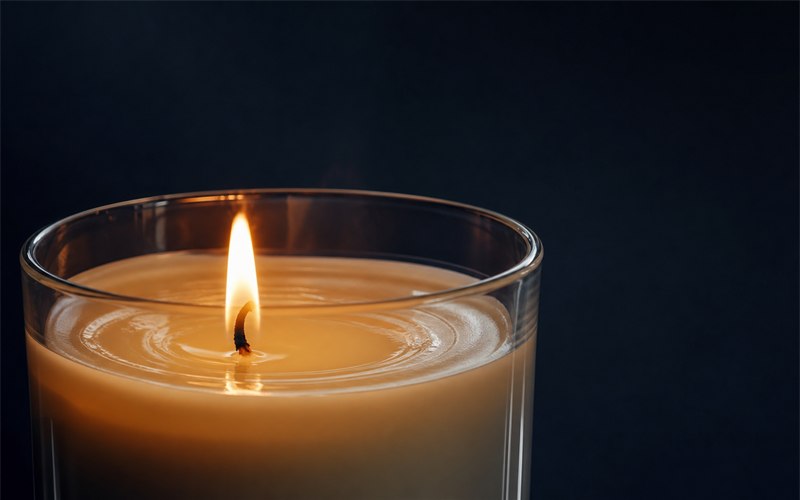
Wax type changes how a fragrance dissolves, remains distributed, and releases under heat. The same fragrance can behave differently in soy, paraffin, coconut blends, beeswax blends, or proprietary container waxes. A formula that smells impressive in one wax may feel muted or distorted in another.
Use the wax maker’s processing window
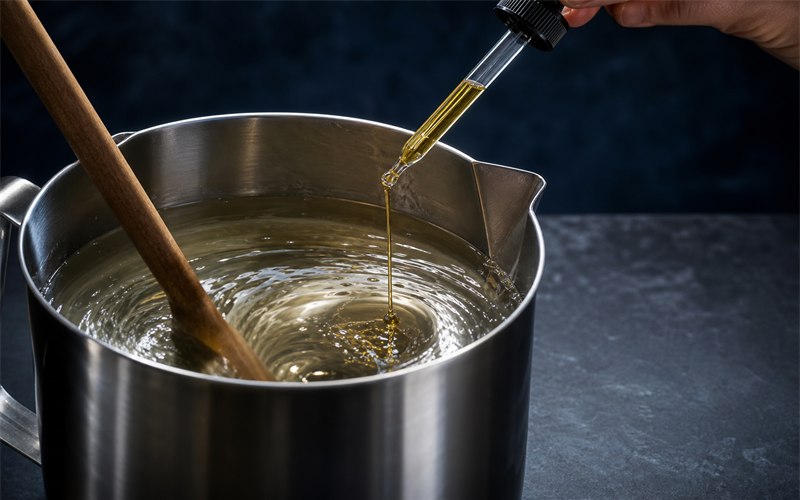
Follow the supplier’s specified melt temperature, fragrance-addition temperature, mixing method, pour range, cure guidance, and maximum fragrance load for that exact wax. A generic temperature copied from another formula can produce an attractive candle while leaving the fragrance unevenly incorporated. Dense oils and different wax chemistries may require different handling.
More fragrance can weaken the burn
Fragrance load should be weighed as a percentage of wax weight and tested below the wax’s documented maximum. Adding extra oil can soften the wax, encourage sweating, alter wick fuel delivery, increase smoke, or create a poor melt pool. CandleScience likewise advises testing below the maximum first because an overloaded candle may burn badly and produce weaker hot throw.
Common misconception: doubling the fragrance does not double hot throw. The useful load is the level that gives the best combined scent, stability, and burn performance in a specific wax-vessel-wick system. Treat the supplier’s maximum as a ceiling for testing, not a target that every fragrance must reach.
Cure Time Can Change the Result
A candle that smells strong the day after pouring can still need more time before a useful hot-throw test. Cooling makes the candle look finished, but wax crystallization and the fragrance-wax system continue to settle. The appropriate cure depends on the wax and supplier guidance. Some paraffin systems can be evaluated after several days, while many soy and natural-wax systems are commonly tested after a longer cure.
Run the first comparison at a fixed cure age. If one sample is burned after 24 hours and another after ten days, the test contains two changing variables. Label every candle with wax batch, fragrance code, load, pour date, wick, vessel, and planned burn date. Repeating the test after the recommended cure shows whether time was the limiting factor.
The Wick Controls the Fragrance Delivery Engine
The wick regulates how much fuel reaches the flame and how much heat returns to the wax. An underwicked candle may form a narrow melt pool, leaving too little warm surface area for useful fragrance evaporation. A wick that is too large can create an excessive flame, smoke, high vessel temperature, rapid fuel use, and an unstable burn. Strong scent cannot justify unsafe combustion.
Judge the whole burn cycle
Do not size the wick from the first hour alone. Test through repeated burn cycles and observe flame height, mushrooming, soot, melt-pool width and depth, vessel temperature, residual wax, and behavior near the bottom of the container. Fragrance composition and load can change wick performance, so a wick that works in an unscented control may not work in the finished formula.
Match expectations to the vessel and room
A small-diameter candle has a smaller evaporating surface than a wide multi-wick vessel. It may perform well beside a bath or desk and still fail to fill an open-plan living room. High ceilings, drafts, ventilation, humidity, and competing odors also change perceived throw. Define the intended room before deciding that the fragrance has failed.
Use a Controlled Burn Test to Find the Bottleneck
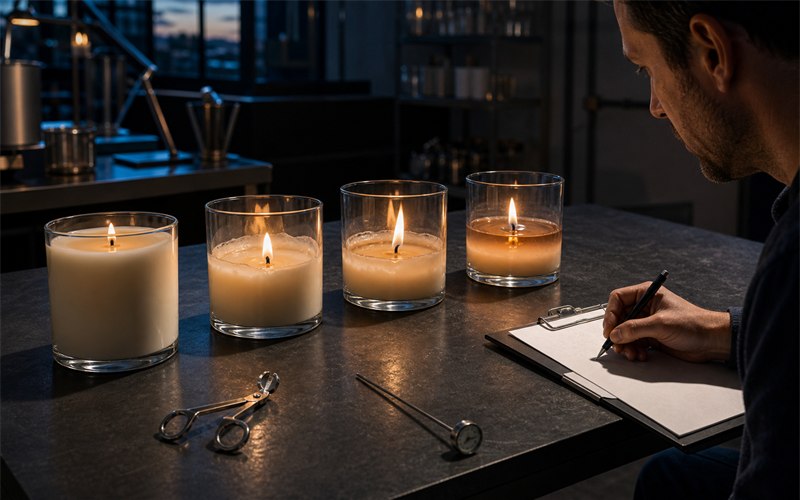
Change one variable at a time. The National Candle Association recommends isolating variables in candle experiments because wax, wick, fragrance, dye, size, and shape can all affect burn behavior. A compact test matrix reveals more than a batch of unrelated experiments.
- Build a baseline candle from the wax supplier’s documented process and a previously screened candle fragrance.
- Prepare wick variants in the same vessel while keeping wax batch, fragrance load, dye, pour process, and cure age constant.
- Burn in a draft-free, repeatable room and follow a consistent cycle. Record observations at the same time points.
- Rate cold throw before lighting, then rate hot throw after the melt pool has developed. Use more than one evaluator when practical.
- If wick optimization does not improve scent, test a small, weighed fragrance-load ladder within the wax specification.
- Next, compare fragrance candidates in the winning wax-vessel-wick system rather than changing the whole candle at once.
- Repeat the full burn and safety evaluation after every formula, wick, vessel, dye, or fragrance change.
| Test variable | Keep constant | Decision signal |
|---|---|---|
| Wick series or size | Wax, fragrance, load, vessel, cure | Stable flame and useful melt pool without smoke or overheating |
| Fragrance load | Wax, fragrance, wick, vessel, process | Best combined hot throw, surface quality, and burn behavior |
| Fragrance candidate | Wax, load, wick family, vessel, cure | Clear scent character and repeatable hot throw |
| Wax system | Fragrance direction, vessel, comparable process | Compatibility, throw, appearance, and manufacturability |
Fragrance Structure Still Matters
Once the candle system burns correctly, the fragrance formula may still need adjustment. Some materials produce a vivid cold impression yet contribute less room-filling character under the candle’s heat profile. Heavy sweet accords can feel dense near the vessel without traveling far. Very volatile effects may flash quickly. A candle fragrance needs balance across recognizable character, heat behavior, diffusion, and the wax used for evaluation.
This is why a fragrance oil should be evaluated in the intended wax rather than only on a blotter or from the bottle. Scentake’s guide to top-selling candle scents also emphasizes wax compatibility, vessel size, wick behavior, and hot throw as manufacturing questions. For a new brief, specify the desired scent family, room size, wax, vessel, target load, price position, and reference candles.
For fragrance buyers: send the fragrance supplier the actual wax or an exact commercial grade, vessel dimensions, wick family, target market, intended room, fragrance-load range, and current burn-test observations. Clear evidence such as ‘strong cold throw, weak hot throw after a full melt pool’ is more actionable than asking for a stronger oil.
Safety and Compliance Stay in the Test Plan
A stronger-smelling candle still has to burn safely and consistently. Keep the wick trimmed as directed, protect tests from drafts, use a heat-resistant surface, and never leave a burning candle unattended. Product teams should use applicable candle fire-safety, labeling, and performance requirements for the markets where the candle will be sold.
Compliance note: IFRA Standards manage fragrance-material safe-use limits by application category, and candles are generally evaluated within Category 12. An IFRA certificate does not replace finished-candle burn, stability, emissions, labeling, or market-specific safety assessment. Confirm the current standard and documentation for the complete fragrance formula and intended product.
Frequently Asked Questions
How long should a candle cure before testing hot throw?
Use the wax supplier’s guidance. Some paraffin systems may be ready after several days, while soy and other natural-wax systems often benefit from a longer cure. Keep cure age constant across comparisons and test again at the recommended interval before changing the formula.
Will a larger wick always improve hot throw?
No. A larger wick can increase heat and melt-pool area, yet it can also create smoke, mushrooming, rapid consumption, or excessive container temperature. Select the wick through full-cycle burn testing and choose the smallest system that produces a stable, appropriate melt pool and safe burn.
Can fragrance oil be added after the candle has set?
Remelting and adding oil to a finished candle makes the formula and thermal history harder to control. Create a new weighed test batch instead. This preserves traceability and lets you compare the revised load under the correct mixing, pouring, curing, and burn conditions.
Does soy wax always have weaker hot throw than paraffin?
No universal rule covers every wax, fragrance, and candle design. Paraffin is often chosen for strong hot throw, while well-developed soy and blended systems can also perform well. Use the product goal, supplier data, and comparative tests in the final vessel to select the wax.
When should the fragrance formula be reformulated?
Consider reformulation after the wax process, cure, wick, vessel, and test environment have been controlled and the scent still performs poorly. Share the burn data with the fragrance supplier. The formula may need a different balance of diffusive, substantive, and heat-performing materials for that wax system.
Build the Candle as One Scent-Delivery System
A candle with great cold throw has already passed one useful checkpoint. The next task is to identify where heated delivery breaks down. Start with the documented wax process and a fixed cure. Then optimize the wick and melt pool, compare controlled fragrance loads, and evaluate the scent in the intended room.
If the system burns well and hot throw remains weak, the fragrance direction may need development for that exact wax and vessel. Explore Scentake’s consumer and home-fragrance work, or discuss your candle brief with the team. Include the wax grade, vessel diameter, wick, load, cure, room target, and burn-test notes so the next sample answers a defined technical problem.