
Fragrance Oil Flash Point Explained: What It Means for Candles, Soap and Shipping

The Number on the SDS Is Easy to Misread
A candle maker sees a fragrance oil flash point of 66°C and plans to add the oil to wax at 82°C. A soap maker sees the same number and worries that the scent will vanish during processing. A logistics team sees it and wants to know whether the carton can travel by air. These are three different decisions, and the flash point answers only part of one of them.
Flash point describes an ignition condition measured by a defined laboratory method. It helps classify physical fire hazards and can affect storage or transport decisions. It does not tell you when every aromatic molecule evaporates, how strongly a candle will smell while burning, or how much fragrance a bar of soap will retain after cure.
Core answer: fragrance oil flash point is the lowest tested temperature at which the liquid gives off enough vapor to form an ignitable mixture near its surface when an ignition source is applied. Use the exact product SDS for handling and shipping. Use application trials for candle and soap performance.
What Flash Point Actually Measures
OSHA defines flash point through the vapor above a liquid, measured by an identified test method. The value belongs to a particular sample and method. Closed-cup and open-cup tests expose vapor differently, so the method matters when values are compared. A buyer should record the reported value, units, test method, SDS revision date, and product code together.
At the flash point, the vapor can flash when it meets a spark or flame. The liquid does not ignite spontaneously merely because a thermometer reaches that value. Autoignition temperature describes ignition without an external ignition source and is usually a different, much higher measurement. Boiling point describes a phase-change condition. Neither is interchangeable with flash point.
| Property | What it describes | What it can help decide |
|---|---|---|
| Flash point | Temperature at which sufficient vapor can form an ignitable mixture near the liquid surface | Hazard classification, handling controls, and transport review |
| Autoignition temperature | Temperature at which a material may ignite without a spark or flame | High-temperature process and fire-risk assessment |
| Boiling point or range | Temperature range where liquid converts rapidly to vapor at stated pressure | Distillation, solvent behavior, and some hazard classifications |
| Application performance | Scent release, retention, stability, and compatibility in a finished base | Candle, soap, personal-care, and home-care development |
Safety boundary: do not reproduce a flash-point test with a kitchen thermometer, open container, or improvised flame. Standard apparatus controls sample volume, heating rate, vapor space, and ignition procedure. Use supplier documentation or a qualified laboratory.

What It Means for Candle Making
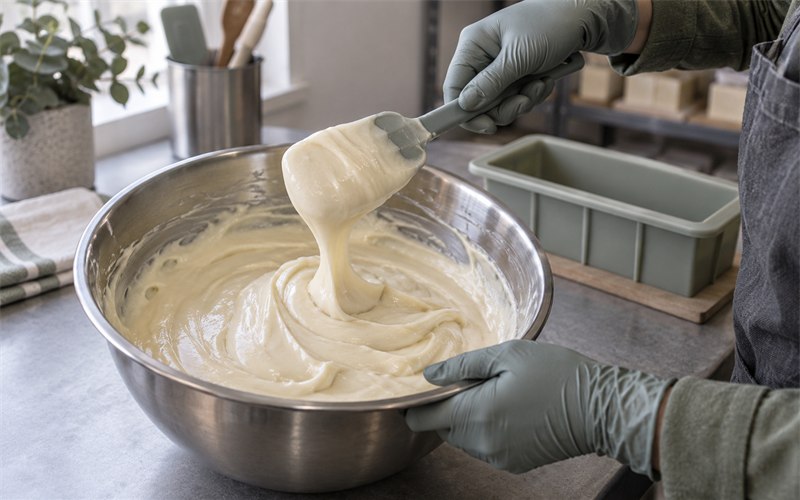
A common candle myth says fragrance must be added below its flash point or the scent will burn away. CandleScience states that adding fragrance to wax above the oil’s flash point does not make it combust and recommends an addition range based on wax binding in its own systems. The useful lesson is to follow the wax and fragrance suppliers’ documented process, then confirm the result in the actual formula.
Fragrance evaporation is gradual and composition-dependent. A fragrance oil contains many materials with different vapor pressures, boiling behavior, and affinities for wax. Crossing one reported flash-point number does not cause the entire blend to disappear. Repeatedly holding an open, fragranced batch at elevated temperature can still change odor, increase loss of volatile materials, and add avoidable exposure.
Use the process window, then test the finished candle
- Confirm the exact wax grade, maximum fragrance load, addition range, mixing time, and pour guidance from the wax supplier.
- Weigh wax and fragrance. Record batch code, oil code, percentage, temperatures, mixing time, vessel, wick, and cure age.
- Keep lids on fragrance containers when they are not being dispensed and control ignition sources in the work area.
- Evaluate surface quality, oil migration, cold throw, hot throw, flame behavior, soot, melt pool, and container temperature.
- Repeat full burn testing after any change to fragrance, load, wax, dye, wick, vessel, or manufacturing process.
Flash point becomes especially relevant when neat fragrance oil is stored, transferred, or exposed to heat and ignition sources. Once the oil is blended into wax, the finished candle has different physical behavior. Its safety still has to be established through finished-product evaluation rather than inferred from the fragrance SDS.
What It Means for Soap
Flash point is also a poor predictor of scent retention in soap. Cold-process soap introduces high pH, an exothermic reaction, water loss, and a long cure. Melt-and-pour soap exposes the fragrance to a different base and a shorter heating history. A fragrance can have a relatively high flash point and still fade or change in one base. Another can have a lower value and remain recognizable after cure.
| Soap variable | Possible effect on fragrance | Useful check |
|---|---|---|
| Base chemistry and pH | Can alter odor character, color, or stability | Supplier compatibility and cured-bar evaluation |
| Processing temperature and hold time | Can change volatile balance or accelerate loss from an open vessel | Measured process log and repeatable addition point |
| Fragrance dosage | Affects odor, texture, compliance, and cost | IFRA category limit plus base-supplier maximum |
| Cure and packaging | Changes moisture, headspace, and perceived intensity | Evaluate at fixed ages in final packaging |
For soap development, ask whether the fragrance is approved by the supplier for the intended soap base, what dosage range was tested, whether discoloration or acceleration was observed, and which IFRA category applies to the final use. The IFRA Standards manage safe-use limits for fragrance materials by product category. They do not predict whether a fragrance will remain true in a specific soap formula.

Why Shipping Decisions Need the Exact SDS
Transport classification uses the properties of the material being shipped, its concentration, package quantity, route, and regulatory jurisdiction. Under U.S. hazardous-material rules, Class 3 and combustible-liquid provisions use flash-point bands, yet exceptions and reclassification provisions can depend on additional facts. USPS Publication 52 also separates flammable and combustible liquids and sets specific mailability and packaging conditions.
Air, road, sea, and postal networks do not share one universal acceptance rule. A product that moves by compliant ground service may face different documentation or acceptance conditions by air. Carrier policies can also be more restrictive than the regulatory minimum. A flash point copied from a product page is therefore insufficient for a shipping decision.
Compliance note: this article is educational and does not classify a shipment. The shipper must identify the exact material, review the current SDS, determine the proper shipping name and hazard class, select approved packaging, apply required marks and labels, prepare documents, and confirm acceptance with the carrier and destination authorities.
Storage and Production Controls Start Before Heating
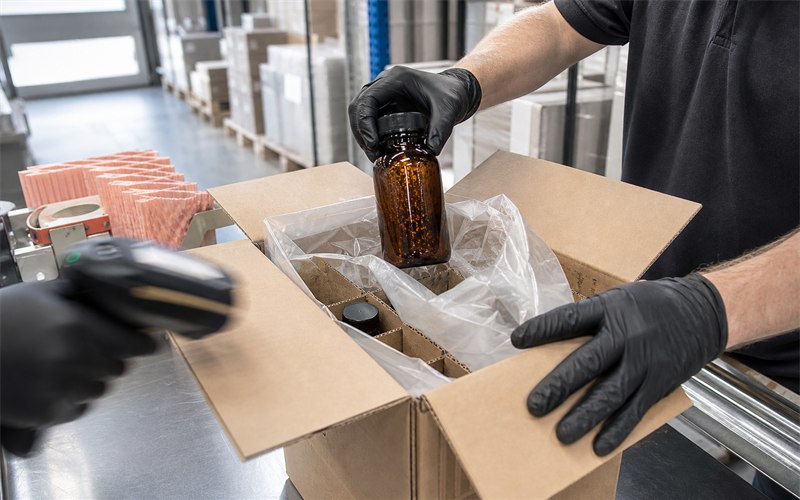
A useful flash-point review begins at receiving. Check that containers arrive closed, undamaged, and matched to the purchase order and SDS. Store them in the conditions specified by the supplier, segregate incompatible materials, control access, and keep ignition sources away from areas where vapor could accumulate. Local fire codes, building design, container size, and total inventory can change the controls required at a site.
During dispensing, limit the open time and quantity at the workstation. Use suitable transfer equipment, bond or ground equipment where the site risk assessment requires it, and maintain ventilation designed for the material and process. A pleasant odor is no measure of safe exposure. Workers should follow the SDS and the facility’s occupational hygiene program for gloves, eye protection, respiratory decisions, spill response, and waste handling.
Temperature records also need context. Record the temperature of the bulk wax or soap base, the fragrance addition point, batch size, mixing duration, ventilation status, and any abnormal event. If a process changes from a small open beaker to a heated production tank, repeat the hazard review. Scale changes vapor generation, surface area, transfer time, and the consequences of a spill even when the formula remains the same.
How Buyers Should Read a Fragrance Oil SDS
The SDS is the working document for a commercial fragrance oil. It connects identity, hazard information, handling, fire response, transport data, and revision control. Read the whole document because Section 9’s flash point cannot replace Section 2 hazard classification, Section 7 handling guidance, Section 8 exposure controls, Section 10 stability information, or Section 14 transport information.
- Match the SDS product name and code to the label and purchase specification.
- Check the issue or revision date and request an updated copy when the document is stale or the formula changes.
- Read Section 2 for classification, signal words, hazard statements, and precautionary statements.
- Read Section 7 and Section 8 for storage, ventilation, hygiene, exposure controls, and protective equipment.
- Record the flash point, units, and method in Section 9, along with other relevant physical properties.
- Review Section 10 for incompatible conditions and Section 14 for transport information.
- Confirm application suitability with the IFRA certificate, allergen information, technical data, and finished-product trials.
For procurement, place the SDS, IFRA certificate, technical data sheet, allergen statement, sample evaluation, and approved specification under one product code. This prevents a shipping team from using data for an older or similarly named oil. It also gives product developers a clear record when wax, soap base, market, or dosage changes.
Frequently Asked Questions
Will fragrance oil catch fire when wax exceeds its flash point?
Temperature alone is insufficient. Flash point requires enough vapor in air plus an ignition source under defined conditions. Adding oil to wax above the listed value does not make the mixture burst into flame. Remove ignition sources, use ventilation, follow supplier process guidance, and assess the actual heated mixture.
Does a low flash point mean weak hot throw?
No reliable relationship supports that shortcut. Hot throw depends on fragrance composition, wax compatibility, load, wick, melt pool, cure, vessel, and room conditions. Compare fragrances in a controlled candle system.
Does flash point predict whether fragrance survives soap making?
No. Soap performance depends on the base, pH, process, dosage, cure, and formula stability. Use supplier application data and cured samples in the intended base.
Can every oil above 93°C ship as ordinary goods?
No. A higher flash point may fall outside one flammable-liquid definition, while another hazard class, heated condition, local rule, or carrier policy can still apply. Review the complete SDS and shipment facts with a trained dangerous-goods professional.
Which document should a fragrance supplier provide?
Request a current SDS for handling and transport review, an IFRA certificate for the intended application, a technical data sheet, relevant allergen or regulatory statements, and a traceable product specification. Ask separately for wax or soap performance data.
Ask Better Questions Than “What Is the Flash Point?”
The flash point remains useful when it is kept in the correct lane. It supports fire-hazard assessment, storage controls, and transport review. Candle makers still need wax-process and burn data. Soap makers still need compatibility and cured-product data. Logistics teams still need the exact SDS and shipment-specific classification.
When briefing a fragrance partner, share the application, base, target dosage, process temperatures, market, packaging, shipment routes, and documentation needs. Explore Scentake’s consumer fragrance solutions and its guide to fragrance formulas, then contact Scentake with the product code and intended use. A complete brief lets the development and compliance questions move together.