

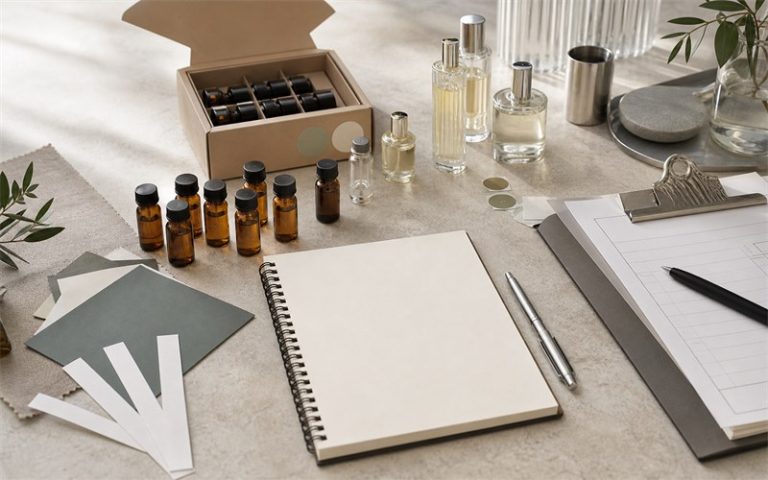
What Is a Fragrance Supplier and What Do They Actually Do
A practical guide to scent development, sourcing, compliance, sampling, and commercial fragrance support. A fragrance supplier is often described as the company that sells scent. That is true, but it is incomplete in the same way that saying a chef sells salt is incomplete. A capable fragrance supplier helps turn an idea into a usable, repeatable, safe, commercially sensible fragrance. They translate a mood, product format, target price, market expectation, and regulatory limit into a formula that can survive real production. For consumers and brand owners, this matters because the supplier behind a perfume, body mist, candle, reed diffuser, shampoo,…
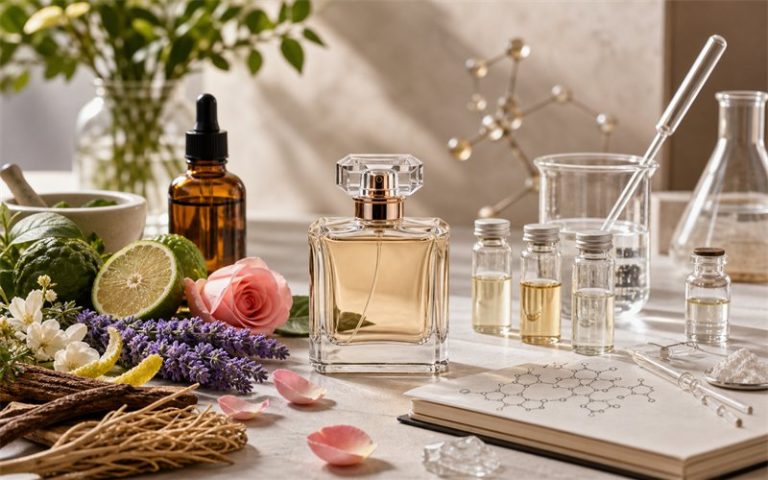
What Is the Difference Between Essential Oils and Aroma Chemicals?
A practical consumer guide to natural extracts, modern scent molecules, safety, longevity, and smarter perfume decisions. Essential oils and aroma chemicals both belong in serious perfumery. Essential oils bring botanical depth, recognizable natural character, and material romance; aroma chemicals bring precision, safety control, repeatability, diffusion, and creative reach. A well-made fragrance is judged by balance, skin performance, and responsible formulation, not by a simplistic natural-versus-synthetic label. The Short Answer Essential oils are aromatic extracts taken from plants, usually through steam distillation, cold pressing, or related extraction methods. Aroma chemicals are defined scent molecules used by perfumers to build, refine, stabilize,…
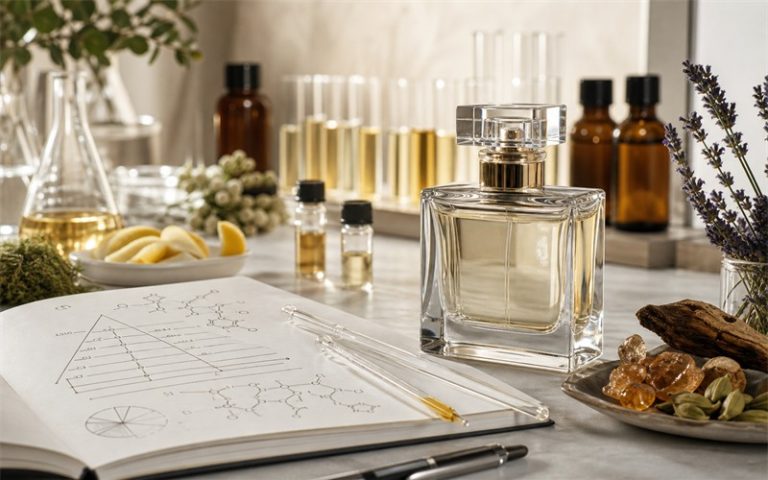
What Is a Fragrance Formula and Why It Matters
Most people choose a perfume in seconds.A quick spray. A first impression. A decision. Yet what you smell in that moment is only the surface of something far more intricate. Behind every fragrance lies a formula—carefully constructed, precisely balanced, and quietly responsible for everything you experience: the opening brightness, the lingering warmth, even how the scent behaves on your skin hours later. You may never see it.But it shapes everything. Understanding what a fragrance formula is, and why it matters, changes how you choose perfume. It also explains why some scents feel extraordinary, while others fade into forgettable background noise.…
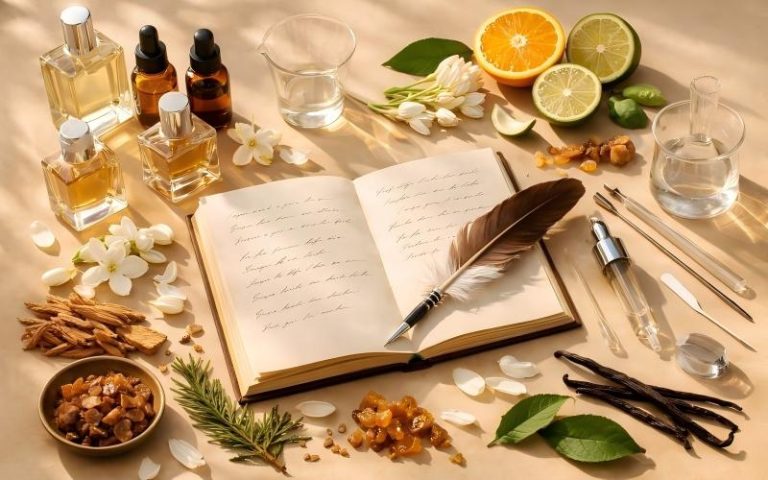
What Are the Most Popular Fragrance Notes in Perfume?
Fragrance preferences change with culture, climate, and fashion, yet some notes keep returning to the center of the stage because they are versatile, emotionally resonant, and commercially dependable. In today’s market, those winning notes include vanilla, musk, rose and other modern florals, woody accords such as sandalwood and cedar, citrus, fruity facets, marine freshness, and a newer generation of gourmand notes that feel more nuanced than the sugar-heavy styles of the past. Their relevance is not just artistic. It is commercial. Fragrance remains one of the strongest-performing categories in beauty, with the global fragrance market estimated at USD 58.89 billion…

How to find your perfect perfume?
Finding the right perfume often sounds simpler than it is. A fragrance may smell radiant on paper, then turn flat on skin. It may feel magnetic in winter and strangely overbearing in summer. Taste plays a role, of course, but so do structure, concentration, climate, and usage context. That is why the best perfume choice rarely comes from impulse alone. It comes from discernment. A useful perfume guide should therefore do two things at once: help individuals choose more intelligently, and help fragrance businesses understand what buyers are really looking for. Start With the Fragrance Family The quickest way to…
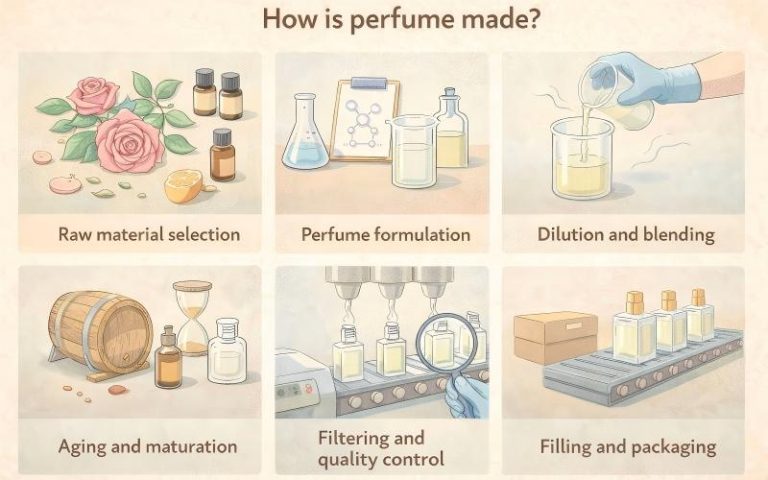
How Is Perfume Made? A Step-by-Step Guide?
Fragrance creation is often romanticized as an artistic ritual guided by instinct and inspiration. That is only part of the story. Behind every successful perfume lies a sophisticated convergence of chemistry, craftsmanship, raw material sourcing, quality control, and regulatory compliance. It is both poetic and technical. Both creative and industrial. Understanding how perfume is made not only reveals the complexity of the fragrance industry but also helps brands, distributors, and private label buyers make more informed sourcing decisions. The process is meticulous. Every step matters. The Concept Stage: Where Scent Begins as an Idea Every perfume begins with a concept.…

What Are the Most Common Fragrance Allergens?
Fragrance is designed to delight.Yet for a small share of consumers, it can also provoke irritation, sensitivity, or full allergic contact dermatitis. The issue is not rare enough to ignore and not simple enough to wave away with a label claim. For brands selling perfumes, body care, home fragrance, or private-label cosmetic products, fragrance allergens sit at the intersection of product safety, regulatory disclosure, formulation strategy, and commercial trust. This topic matters commercially. It also matters reputationally. The U.S. FDA lists fragrances among the common allergen classes found in cosmetics, and notes that cosmetic products can trigger allergic reactions in…
What Is IFRA Compliance in Perfumery?
Fragrance is often discussed in terms of beauty, memory, and emotion. Yet behind every elegant perfume lies a framework of safety standards that guide how fragrance materials are used. One of the most influential systems in the global fragrance industry is IFRA compliance. It affects formulation decisions, international market access, regulatory documentation, and consumer trust. Without it, launching a fragrance product in many markets becomes significantly more complicated. To understand modern perfumery, one must first understand IFRA. What IFRA Actually Is IFRA stands for the International Fragrance Association, an organization established in 1973 to represent the global fragrance industry. Its…
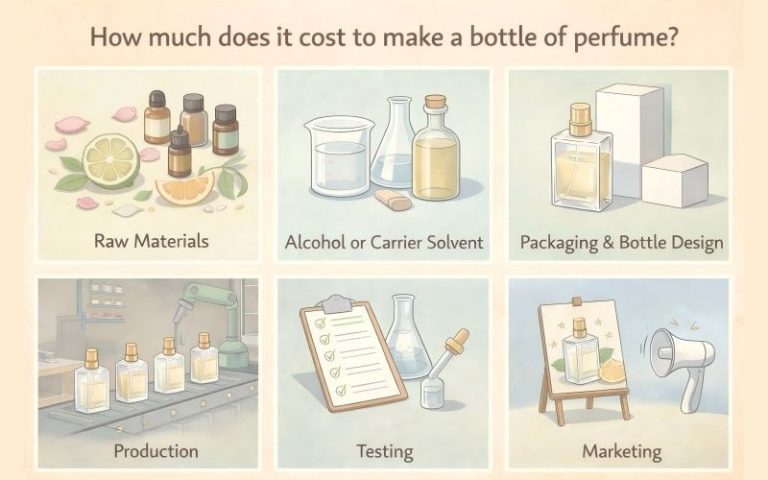
How Much Does It Cost to Make a Perfume?
Perfume has always carried an aura of luxury. A small glass bottle can sell for tens or even hundreds of dollars, which naturally raises a practical question: how much does it actually cost to make a perfume? The answer is rarely simple. Fragrance production involves a chain of decisions, each shaping the final cost. Raw materials, formulation expertise, packaging design, compliance requirements, and production scale all contribute to the overall price structure. Some perfumes are produced for only a few dollars per unit. Others require raw materials that cost hundreds of dollars per kilogram. The Core Components That Determine Perfume…