

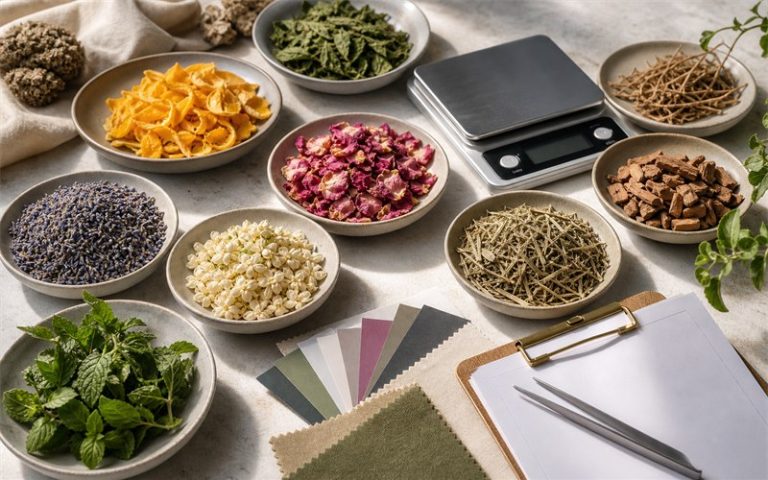
The Top Essential Oils Most Used In The Notes Of Fragrances
Essential Oils Give Fragrance a Natural Pulse Essential oils are aromatic materials obtained from plants, usually through steam distillation, expression, or related extraction methods. In fragrance, they can bring brightness, texture, realism, and an emotional connection to nature. They are widely used in fine fragrance, body care, hair care, candles, diffusers, soaps, and wellness-inspired products. They also need professional handling because natural does not automatically mean mild, stable, or suitable for every product category. A good formula may combine essential oils with aroma molecules, isolates, resins, musks, and bases. The difference between essential oils and aroma chemicals is practical rather…
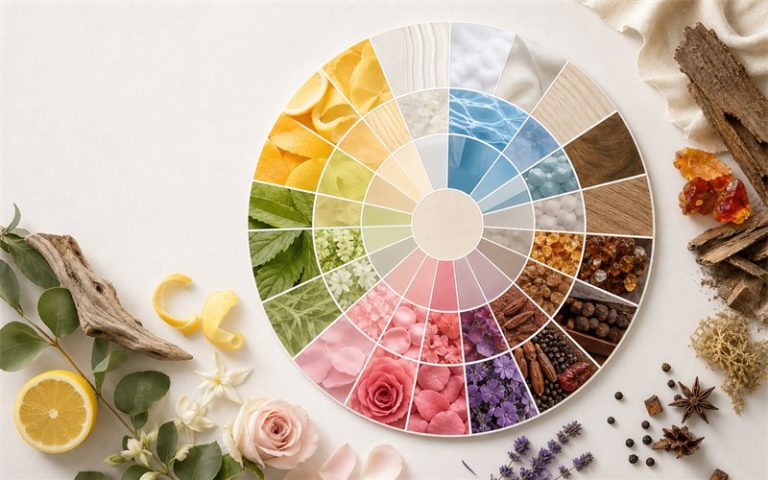
A Simplified Guide To Using The Fragrance Wheel
Why the Fragrance Wheel Still Helps The fragrance wheel is a simple map for a complicated sensory world. It groups scents into families and neighboring styles so people can describe what they smell with more precision than nice, fresh, sweet, or strong. For consumers, the wheel helps connect preference patterns. If you like citrus aromatic colognes, you may also enjoy green, aquatic, or light woody fragrances. If you love vanilla amber, you may also enjoy resinous, spicy, gourmand, or musky drydowns. For brands, the wheel is a practical briefing tool. It gives marketing, purchasing, formulation, and sampling teams a shared…
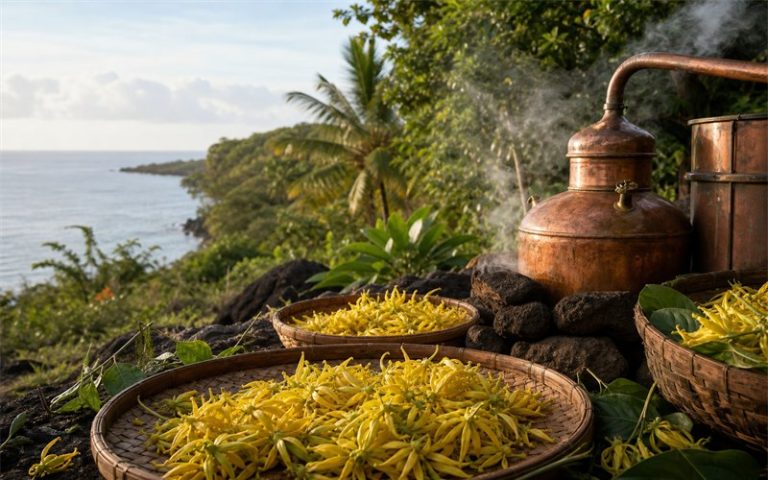
Ylang Ylang – The Exotic Iconic Queen Of Perfumes
A Tropical Flower With a Regal Reputation Ylang ylang has a scent that feels instantly alive: floral, creamy, spicy, banana-like, jasmine-like, and warm with a soft custard sweetness. It is one of the few natural materials that can make a formula feel sunny and sensual at the same time. The name is strongly associated with tropical islands, especially the Comoros, Madagascar, Mayotte, and parts of Southeast Asia. In perfumery, the oil has earned a royal nickname because it can sit at the heart of floral bouquets, amber florals, solar scents, and creamy exotic accords. For consumers, ylang ylang often smells…
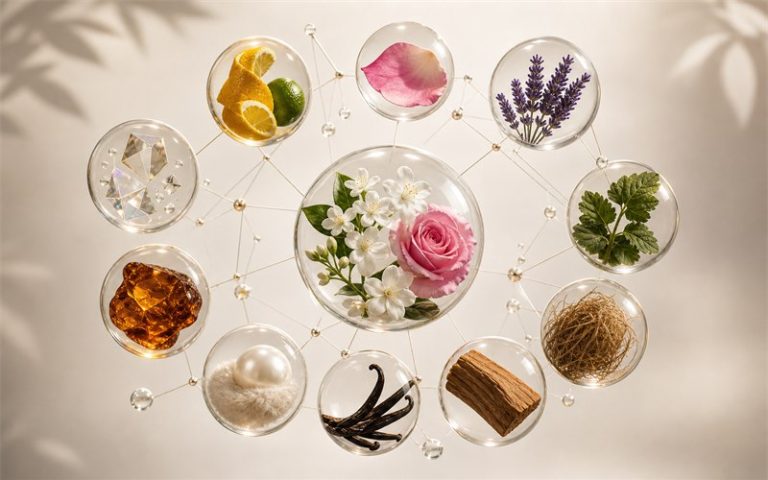
The 11 Most Important Ingredients Used in Perfumery
Why Ingredients Matter More Than Note Lists Perfume marketing often talks about notes: rose, amber, musk, citrus, woods, vanilla. A formula is built from ingredients and accords. Some ingredients come from plants, resins, roots, seeds, or flowers. Others are aroma molecules designed or isolated for precision, performance, and safety control. Understanding key perfumery ingredients helps consumers choose better scents and helps brands write better briefs. It also makes sourcing conversations more practical. A supplier can only develop the right fragrance when the desired mood, performance, product base, and price range are clear. The following 11 ingredients and ingredient families are…
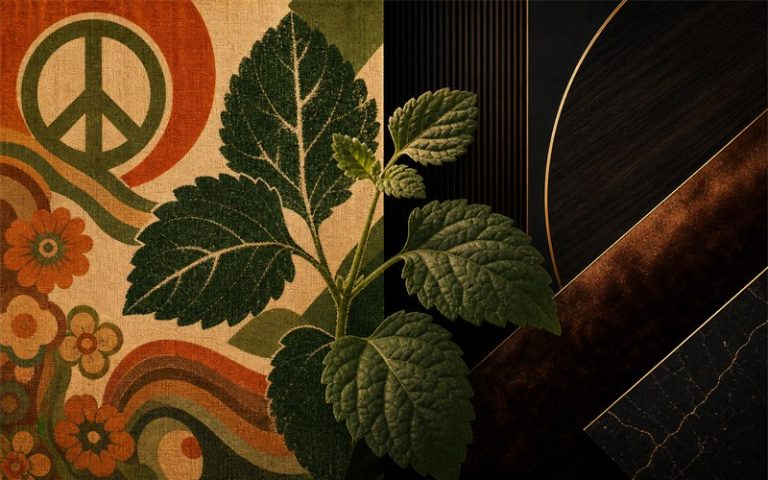
Patchouli’s Resurgence – Hippie Icon to Perfume Powerhouse
Patchouli Is Having a Second Life Patchouli has carried more cultural baggage than almost any other perfume material. For some people, it still means incense shops, tie-dye, record sleeves, and heavy oil blends. For modern perfumers, it has become something far more flexible: a woody, earthy, camphoraceous, chocolate-dark, amber-friendly material that can make a fragrance feel expensive and grounded. The resurgence of patchouli is not nostalgia alone. It is driven by better fractionation, cleaner qualities, modern woody amber construction, niche fragrance taste, and a consumer shift toward darker, more textured drydowns. Today patchouli can smell bohemian, luxurious, mineral, smoky, clean,…
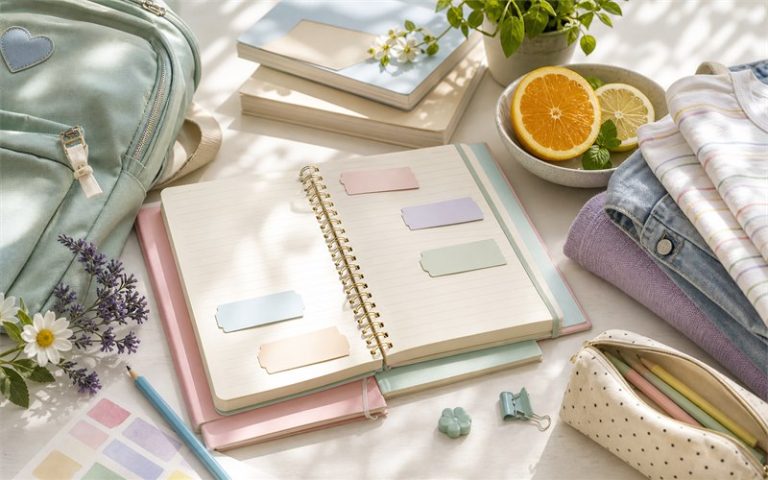
How to Choose a Perfume for a Child or Teenager Guide and Recommendations
Fragrance Should Feel Gentle, Age-Appropriate, and Optional Choosing a perfume for a child or teenager is different from choosing one for an adult. The goal is usually comfort, self-expression, and a pleasant daily ritual rather than projection, seduction, or a long-lasting signature trail. Children and teenagers can enjoy scent, yet their skin, routines, schools, families, and social settings create different boundaries. A fragrance that feels charming at home may be too strong in a classroom. A sweet body mist may be harmless for one person and irritating for another with sensitive skin. The best approach is simple: choose light formats,…
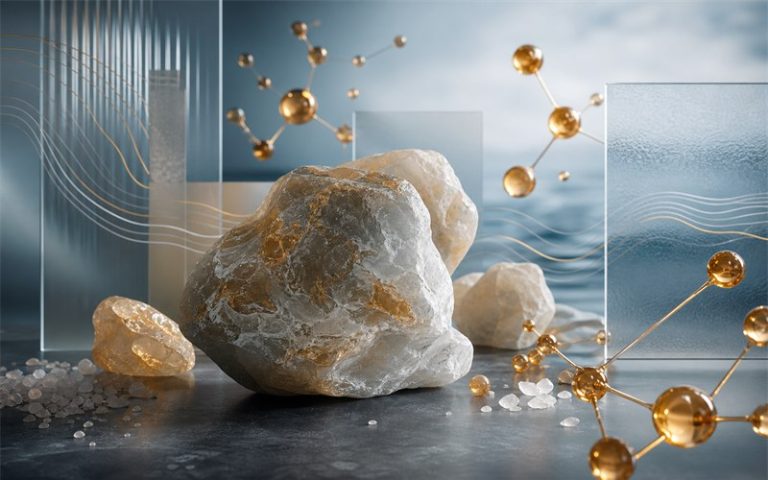
Ambergris in Perfumery: History, Rarity, and the Mystery of the Sperm Whale’s Treasure
A Material Surrounded by Myth and Regulation Ambergris is one of the strangest materials in perfume history. It begins as a waxy substance associated with the digestive system of the sperm whale, then can float at sea for years before washing ashore. Time, saltwater, sun, and oxidation transform it from an animalic mass into a material prized for marine, musky, sweet, tobacco-like, and mineral warmth. That story explains the fascination. It also explains the risk. Sperm whales are protected in many jurisdictions, and trade in whale-related materials can trigger serious wildlife, import, export, and documentation issues. A modern fragrance brand…
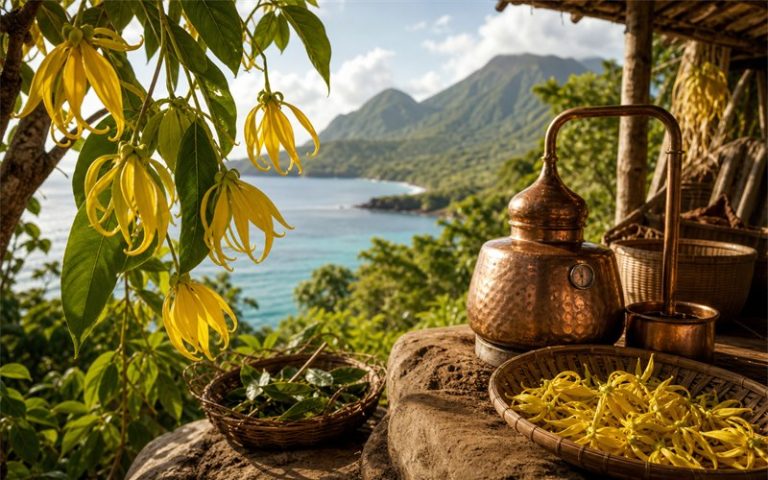
Ylang-Ylang in Perfumery: The solar flower of the Comoros and Mayotte
A Flower That Smells Like Sunlight on Skin Ylang-ylang is one of perfumery’s most expressive natural flowers. It can smell creamy, banana-like, jasmine-like, spicy, balsamic, waxy, honeyed, and slightly animalic. That strange mixture is exactly why perfumers love it. It gives a formula warmth and movement rather than a flat floral sweetness. The phrase solar flower fits ylang-ylang well. In a perfume, it can suggest tropical air, warm skin, golden petals, and a soft oily richness. Used carefully, it brings radiance to white florals, softness to amber, and a lush curve to woody or musky bases. For brands, ylang-ylang is…

Shalimar by Guerlain: The Story of a Fragrant Legend
Why One Perfume Can Become a Reference Point Some perfumes succeed for a season. A smaller group becomes part of perfume language itself. Shalimar by Guerlain belongs to that second group because it helped define what many people understand as an ambery, vanilla-rich oriental perfume. For consumers, Shalimar is often remembered as warm, sensual, powdery, smoky, and elegant. For fragrance developers, it is more useful as a lesson in structure: a bright citrus opening, a refined floral heart, and a long, soft base built around vanilla, balsams, tonka-like warmth, resins, woods, and animalic shadows. This article is not a sales…