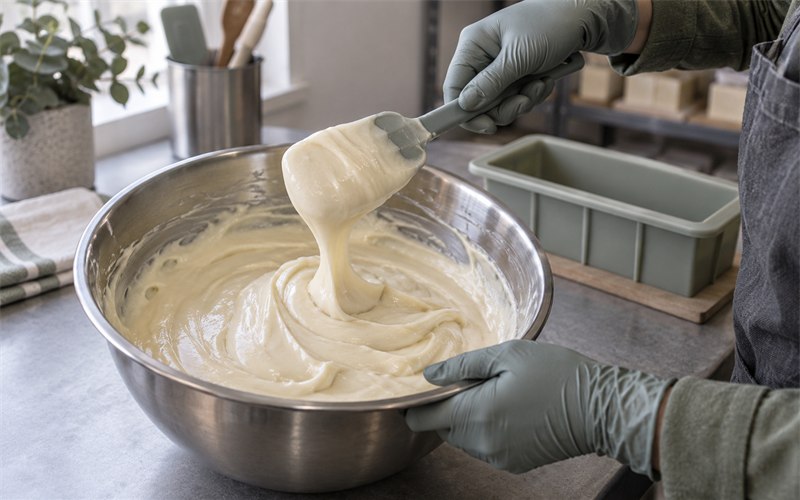

Do Solid Perfumes Work We Review the Trend in Solid Fragrances
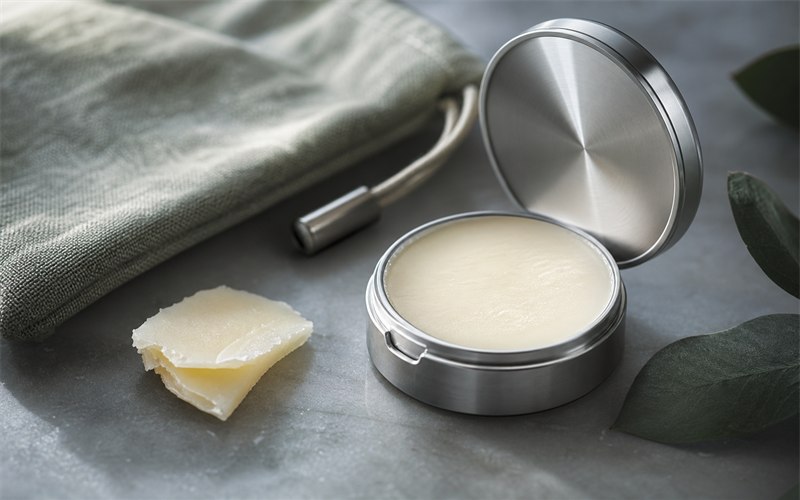
Solid Perfume Is Having a Practical Moment
Solid perfume feels newly fashionable, yet the idea is old: fragrance materials carried in waxes, butters, oils, or balms and applied directly to pulse points. The current trend is driven by travel convenience, low-spill packaging, skin-close scent, and interest in compact beauty formats.
The main question is simple: do solid perfumes work? Yes, when the formula is designed for the format. They can smell beautiful, feel intimate, and be easy to reapply. They usually do not project like an alcohol spray, so expectations matter.
For consumers and brands, solid fragrance is best understood as a different wearing experience rather than a smaller version of eau de parfum.
How a Solid Perfume Releases Scent
A spray perfume spreads volatile materials through alcohol and air. A solid perfume holds fragrance in a semi-solid base, then warms on skin and releases scent more slowly and closer to the body.
This makes solid perfume ideal for subtle personal scent. It can feel soft, tactile, and private. It is less suited to someone who wants a large scent trail across a room.
The difference connects directly to projection, sillage, and longevity: solid perfume may last on the skin, yet its diffusion is usually quieter.
The Base Changes the Fragrance
Solid perfumes often use waxes, plant butters, oils, esters, or synthetic emollients. These bases affect texture, melting point, glide, odor neutrality, oxidation risk, cost, and how the fragrance releases.
A waxy base can mute bright citrus and fresh top notes. Oils can soften sharp edges. Butters may add their own odor or color. A strong formula in alcohol may need redesign before it works as a balm.
This is why the relationship between essential oils and aroma chemicals matters. Some materials bloom in alcohol; others sit better in oil-based or wax-based formats.
What Solid Perfumes Do Well
Solid perfumes are convenient for travel, handbags, gym bags, office drawers, and gift sets. They are usually spill-resistant and can be applied with precision.
They also suit scent users who dislike alcohol spray, prefer a quiet aura, or want to layer fragrance with lotion, hair mist, or body oil.
For brands, solid fragrance can extend a fine-fragrance concept into discovery sets, refillable formats, limited editions, hotel amenities, or private-label beauty accessories.
Where Solid Perfumes Can Disappoint
The most common disappointment is weak projection. A solid perfume may smell rich in the tin and lovely on the wrist, yet it rarely fills space like a spray.
Heat is another issue. A balm that melts too easily can leak, sweat, or change texture in shipping. A balm that is too hard can drag on skin and release too little scent.
Oxidation, color change, graininess, and base odor also need attention. A formula should be tested under warm, cool, and real-use conditions before launch.
Which Notes Work Best in Solid Perfume
Musks, soft woods, vanilla, amber, sandalwood, resinous notes, gentle florals, tea, skin scents, and creamy gourmands often work well because they match the close-wearing nature of the format.
Very volatile citrus, watery marine, green top notes, and crisp aromatics can be more difficult because the base may dull their lift. They can still work when supported by musks, woods, or long-lasting modifiers.
The guide to essential oils most used in fragrance notes is helpful when thinking about which natural materials bring recognizable character and which ones need technical support.
Safety, Skin Feel, and Claims
Solid perfume is usually a leave-on product, so safe-use review is important. IFRA Standards guide fragrance use by product category, and a balm format may require different limits from a candle, diffuser, or rinse-off product.
Consumers with sensitive skin should patch test, especially with highly fragranced balms or essential-oil-rich products. The FDA aromatherapy page is also useful when brands use wellness language around scented cosmetic products.
A comfortable solid perfume needs the right balance of scent load, glide, non-greasy feel, melting point, and packaging protection.
How to Use Solid Perfume
Apply a small amount to warm pulse points such as wrists, neck, or behind the ears. Reapply lightly during the day instead of overloading one application.
Keep the product closed and away from heat. If the balm contains delicate naturals or oils, storage conditions can influence freshness over time.
Layering can work well. A solid musk or sandalwood balm can soften a spray perfume, while a floral balm can refresh a matching body lotion.
Should Brands Add Solid Fragrances?
Solid perfume makes sense when the brand story values portability, intimacy, texture, sustainability messaging, refills, travel, or giftability. It is especially attractive for discovery products and scent wardrobes.
The format needs honest positioning. Promising huge projection will create disappointment. Promising soft personal scent, easy reapplication, and tactile luxury is much closer to the real benefit.
A professional fragrance supplier can help adapt the fragrance concentrate to a solid base, review stability, and support documentation.
How Scentake Helps With Solid Fragrance Projects
Scentake supports fragrance brands and private-label teams developing solid perfume, balm fragrance, body care scent, and matching spray or lotion collections. We can help refine the scent direction, adapt the formula to the base, and support technical documentation.
If you want to test a solid perfume line, contact Scentake with your target texture, packaging, fragrance family, market, and price range.