
Why Doesn’t My Perfume Last Long? 12 Real Reasons and Practical Fixes
Perfume Longevity Is a Formula, Skin, and Usage Question
When a perfume disappears quickly, the problem is rarely one single mistake. Longevity comes from the formula, the concentration, the materials, your skin condition, the weather, and the way the fragrance is worn.
That is why two people can spray the same bottle and get very different results. One person may enjoy a soft trail for eight hours, while another feels the scent has vanished before lunch.
For consumers, the fix starts with better application habits. For fragrance brands, it starts earlier, with material selection, base structure, stability testing, and a clear promise about how the product should perform.
The 12 Real Reasons Perfume Fades Too Fast
Some causes are simple, such as spraying too little or rubbing the wrists. Others are built into the scent itself. A fresh citrus cologne will usually behave differently from an amber, musk, resin, or woody perfume.
Use the checklist below to diagnose the issue before blaming the whole bottle.
| Reason | What usually happens | Practical fix |
|---|---|---|
| Dry skin | Fragrance evaporates quickly because the skin has little oil to hold it. | Moisturize first with an unscented lotion. |
| Very fresh top notes | Citrus, herbs, watery notes, and light aromatics lift fast. | Choose formulas with musk, woods, amber, resin, or soft vanilla support. |
| Low concentration | Body mist, eau fraiche, and light EDT styles can be short by design. | Use more sprays or choose EDP, parfum, or extrait formats. |
| Weak base structure | The opening smells good, then the drydown becomes thin. | Look for stronger base notes and professional fixative work. |
| Rubbing after spraying | Friction disturbs the evaporation curve. | Spray and let the fragrance dry naturally. |
| Wrong spray points | Clothing or pulse points are ignored, so the scent has less surface area. | Apply to warm skin and, when fabric-safe, lightly to clothes. |
| Heat and humidity | Volatile notes can bloom quickly, then fade. | Use smaller refresh sprays and store the bottle cool. |
| Cold weather | The fragrance projects less, so it seems weaker. | Apply under layers and use richer scent families. |
| Poor storage | Light, heat, and air can damage delicate materials. | Keep the bottle closed, cool, and away from sunlight. |
| Nose fatigue | Your brain stops noticing a familiar scent. | Ask another person, or smell a neutral fabric later. |
| Overclean skin | Freshly scrubbed skin can feel dry and less receptive. | Apply after moisturizing, once skin is comfortable. |
| Product mismatch | A formula made for hair mist or body spray is judged like fine fragrance. | Match expectations to product type and price point. |
Skin Chemistry Matters More Than People Expect
Skin is a living surface. Oil level, pH, temperature, diet, medication, climate, and even laundry habits can change how a fragrance develops. This does not mean the perfume is bad. It means the same formula is meeting a different wearing surface.
Dry skin is the most common reason a perfume feels short-lived. Fragrance ingredients dissolve and cling better when the surface has a little lipid comfort. A thin layer of unscented lotion, body cream, or fragrance-free balm can make a visible difference.
If your skin tends to be sensitive, avoid turning longevity into a contest. More sprays can increase irritation risk. Patch testing and moderate use are wiser than chasing a heavy cloud.
Fresh Perfumes Often Trade Longevity for Lift
A sparkling citrus, tea, marine, green, or light floral perfume is designed to feel bright in the opening. Many of those materials are naturally more volatile, so they move quickly through the air.
This is part of their beauty. The issue appears when marketing promises the freshness of a cologne with the endurance of an amber extrait. Those are different technical goals.
If you love fresh fragrances, look for versions with musks, cedar, vetiver, patchouli, soft woods, amber materials, or mineral notes underneath. A quiet base can extend wear without making the scent feel heavy.
Concentration Helps, Yet It Is Not the Whole Story
EDP often lasts longer than EDT, and parfum often lasts longer than EDP. Still, concentration alone does not guarantee performance. Ten percent of powerful base materials may outlast twenty percent of a fragile fresh accord.
The quality of the formula matters: how the top, heart, and base are balanced; whether the fragrance has enough diffusion; and whether the drydown remains pleasant after hours on skin.
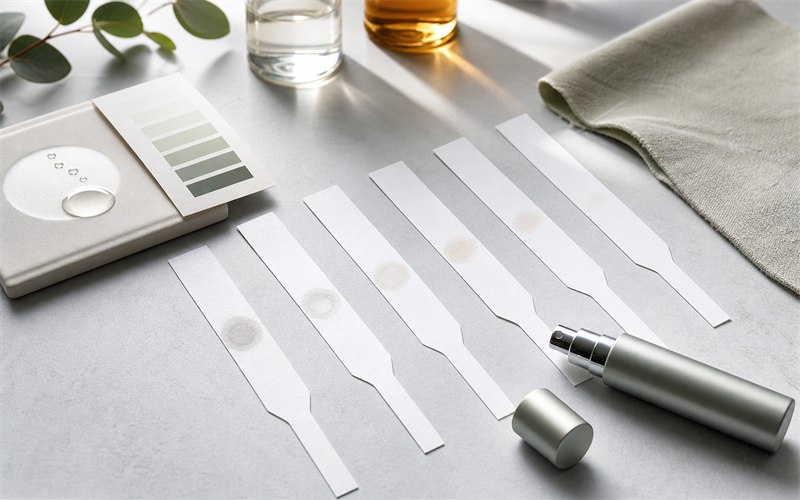
For brands, this is where sample testing becomes important. A fragrance should be evaluated on blotter, skin, fabric, and in the final product base before a longevity claim goes into sales copy.
Application Habits Can Add Hours
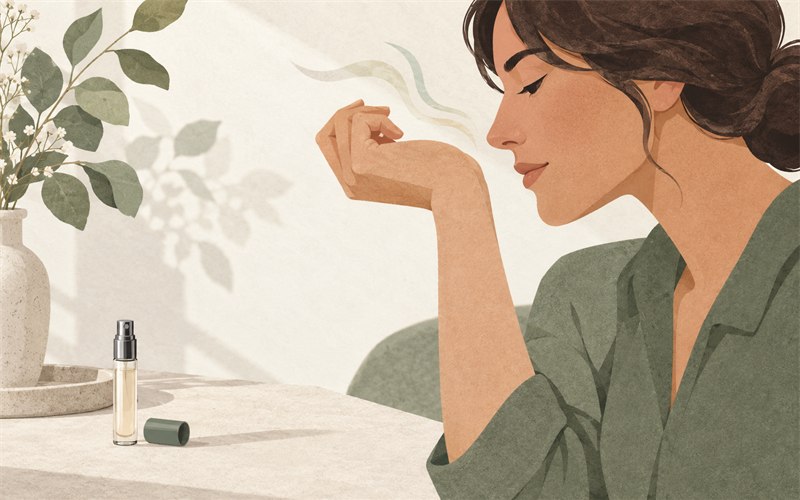
Apply perfume after showering when the skin is clean and moisturized. Spray the neck, chest, inner elbows, and forearms. If the formula is fabric-safe, a light spray on clothing can hold scent longer than skin.
Do not rub the wrists together. Let the fragrance settle. Rubbing can warm and smear the top notes, and it often makes the opening feel flatter.
Layering also helps. Use a matching body lotion, a neutral moisturizer, or a fragrance format designed for the same scent family. Avoid mixing strong scented lotions that fight the perfume.
Storage Can Quietly Ruin a Good Bottle
Perfume should be stored away from direct sunlight, heat, and repeated temperature swings. Bathrooms are convenient, yet steam and warmth are unkind to many fragrance materials.
A dark drawer, wardrobe shelf, or original box is safer. Keep the cap on and avoid leaving travel atomizers half empty for years.
If a perfume becomes sour, metallic, muddy, unusually alcoholic, or far weaker than before, storage damage may be part of the story.
How Buyers and Brands Should Think About Longevity
For a consumer, the best test is simple: spray once on skin, once on fabric, and once on a blotter. Check the scent after one hour, four hours, and the next morning. This separates skin behavior from formula behavior.
For a brand, longevity should be defined by product type and market expectation. A hair mist, body splash, fine fragrance, roll-on oil, candle, and reed diffuser need different performance targets.
Professional development also considers safety documents, allergen declarations, IFRA category limits, discoloration risk, maceration behavior, packaging compatibility, and how the perfume smells at the end of wear.
Where Scentake Helps
Scentake works with fragrance brands, private-label teams, and product developers who need scents that smell attractive and perform realistically in the final product. We can help evaluate fragrance direction, concentration, base structure, sample feedback, and market fit.
If your perfume fades too quickly, or if you are building a product line where longevity matters, contact Scentake with your target product, price range, scent family, and expected wearing experience.