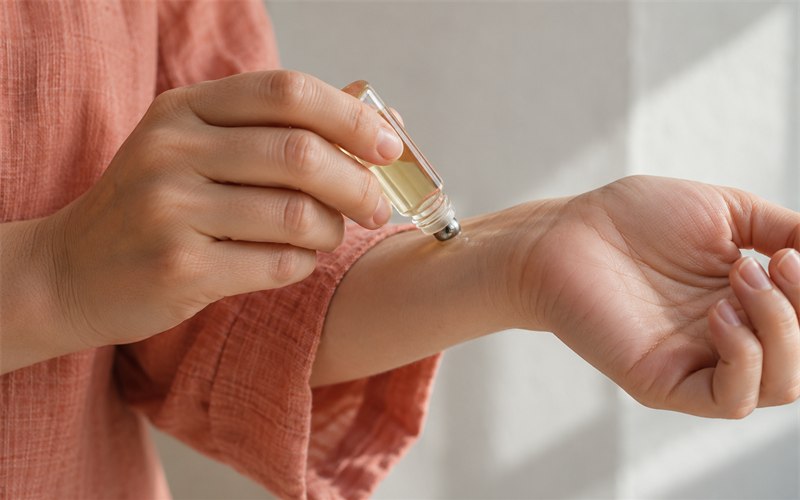

How to Blind Buy Perfume Safely: Notes, Reviews, Samples and Risk Control

Blind Buying Is a Guess, So Make It a Better Guess
Blind buying perfume means purchasing without smelling it first. It can be exciting, especially when a review sounds perfect or a limited bottle is about to sell out.
It can also disappoint quickly. Skin chemistry, scent memory, climate, concentration, and personal tolerance all affect whether a perfume feels beautiful or unwearable.
The safest approach is not to remove all risk. The goal is to reduce avoidable risk before spending full-bottle money.
A Risk-Control Checklist
Before buying, slow down and check the factors that predict whether a fragrance is likely to suit you. A beautiful bottle and a high rating are not enough information.
| Check | Why it matters | Low-risk sign |
|---|---|---|
| Note pyramid | Shows likely scent family and drydown. | You already like several listed notes. |
| Reviews | Reveal projection, sweetness, longevity, and complaints. | Comments are consistent across different reviewers. |
| Concentration | Changes strength and wearing style. | Matches your usual comfort level. |
| Sample access | Reduces full-bottle regret. | Discovery size, decant, or store tester available. |
| Return policy | Controls financial risk. | Clear unopened or satisfaction policy. |
| Climate fit | Heat and cold change performance. | Scent family suits your season and setting. |
Read Notes Like Clues, Not Guarantees
Note lists are marketing descriptions and technical clues. They do not reveal exact formula percentages, material quality, or how the perfume will smell on your skin.
Focus on patterns. If you dislike sweet vanilla, coconut, strong patchouli, oud, smoke, powder, aldehydes, or white florals, repeated mentions of those effects should slow you down.
Also look for the base. A fresh citrus scent with musk and cedar may be easier to wear than one with dense amber, caramel, and heavy woods if you prefer clean daily scents.
Use Reviews Carefully
Reviews are useful when many people describe the same behavior. If dozens of wearers mention sharp opening, huge projection, weak longevity, syrupy sweetness, or a scratchy drydown, take the pattern seriously.
Individual opinions can be misleading. One reviewer may love loud fragrances, live in a cold climate, or have different skin chemistry. Another may dislike the entire scent family.
Read both enthusiastic and negative reviews. The negative reviews often reveal whether the risk is about sweetness, powder, musk, smoke, synthetic feel, or poor performance.
Samples Are the Best Insurance
A sample, discovery set, or decant is the most practical way to reduce risk. Test it on blotter first, then on skin, then in a real day of wear.
Do not decide in the first five minutes. Many perfumes change dramatically from opening to heart to drydown.
If you cannot get a sample, look for a smaller bottle, travel size, rollerball, or retailer with a clear return policy.
Match the Perfume to Your Real Life
A perfume can sound glamorous online and still be wrong for your daily life. Ask where you will wear it: office, dates, hot weather, cold weather, travel, formal events, or home.
Projection matters. A fragrance praised as powerful may be too much for shared spaces. A soft skin scent may disappoint someone who wants a strong trail.
Longevity also matters. If you dislike reapplying, avoid formats known for short wear unless the scent profile is worth the tradeoff.
Avoid Common Blind-Buy Traps
Do not buy only because a perfume is viral. Popularity can reflect trend momentum, bottle design, influencer style, or novelty rather than personal fit.
Be careful with unfamiliar note families. Oud, animalic musks, cumin, heavy leather, strong aldehydes, marine notes, and dense gourmands can be polarizing.
Avoid buying a large bottle of a flanker just because you love the original. Small formula changes can shift sweetness, freshness, projection, and drydown.
A Simple Scoring Method
Before buying, score the perfume from 1 to 5 across four areas: scent family fit, note risk, performance fit, and purchase protection.
A perfume with high scent appeal and weak purchase protection may still be worth sampling first. A perfume with multiple note risks and no return option should wait.
This small pause turns blind buying from impulse shopping into a controlled experiment.
For Brands: Make Blind Buying Easier
Brands can reduce customer regret by offering discovery sets, clear note descriptions, realistic performance language, accurate concentration labels, and sample-friendly product pages.
Avoid vague claims such as everyone loves this or lasts forever. Better copy explains scent family, sweetness level, projection, best season, best occasion, and how the drydown feels.
Clear guidance helps customers choose better and protects the brand from returns, disappointed reviews, and mismatched expectations.
Where Scentake Helps
Scentake helps fragrance brands develop scents and product descriptions that match real customer expectations. We can support sample strategy, fragrance positioning, private-label scent selection, and performance language for online buyers.
If you are building a fragrance line where customers may buy online before smelling, contact Scentake with your target audience, scent direction, price tier, and product format.