
Which is stronger, cologne or perfume & how to use cologne correctly?
Cologne originated from Eau de Cologne, a citrus-based fragrance style developed in 18th-century Europe. It was designed to be refreshing, volatile, and liberally applied. Its purpose was invigoration rather than endurance.
Perfume, on the other hand, refers to both a category and a concentration. In technical terms, it denotes a fragrance with a higher proportion of aromatic oils suspended in alcohol. Over time, naming conventions shifted. In some regions, cologne became synonymous with men’s fragrance, regardless of concentration.
Modern marketing further blurs the distinction. Labels often prioritize appeal over accuracy, making it essential to understand what lies beneath the name.
Which Is Stronger, Cologne or Perfume?
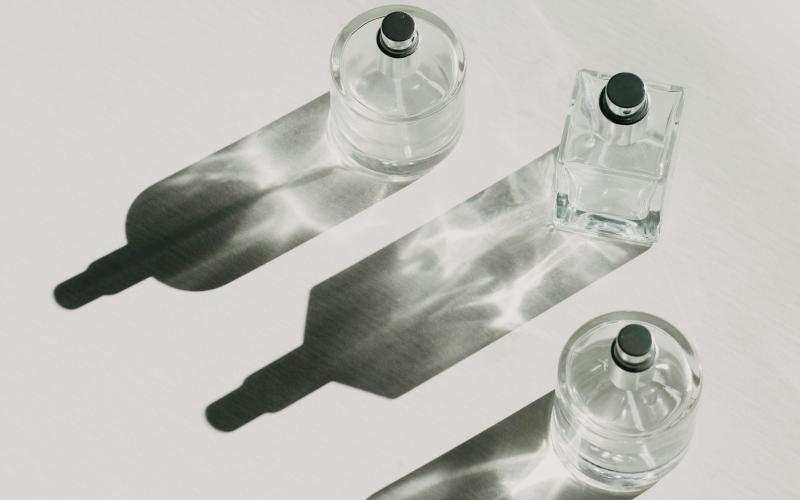
Fragrance strength begins with concentration. Parfum contains the highest percentage of aromatic oils, followed by eau de parfum, eau de toilette, and eau de cologne. Higher oil content generally translates to longer wear and deeper scent development.
Oil-to-alcohol ratios influence not only longevity but also diffusion. A fragrance can project powerfully yet fade quickly, or remain close to the skin while lasting for hours. This distinction explains why stronger does not always mean louder.
More concentration does not guarantee better wear. Balance matters. Composition matters. Skin matters.
Why Cologne Is Perceived as Lighter
Colognes often emphasize fresh, volatile notes such as citrus, herbs, and light florals. These molecules evaporate rapidly, creating an immediate but fleeting impression.
Alcohol content is typically higher, contributing to quicker dispersion and a more translucent aura. Culturally, cologne is expected to be subtle, clean, and nonintrusive. This expectation reinforces the perception of lightness.
In many situations, this is an advantage. Heat, movement, and proximity all favor restraint.
What Actually Determines Fragrance Strength
Ingredient composition plays a decisive role. Heavier molecules like resins, woods, and musks linger longer than airy citruses or aquatic notes. Molecular weight affects evaporation rate and skin adherence.
Skin chemistry alters everything. Natural oils, body heat, and pH can amplify or suppress a fragrance. Climate compounds this effect. Humidity magnifies projection. Cold air compresses it.
Application method matters just as much as formula. Where and how a fragrance is applied determines how it unfolds.
How to Use Cologne Correctly
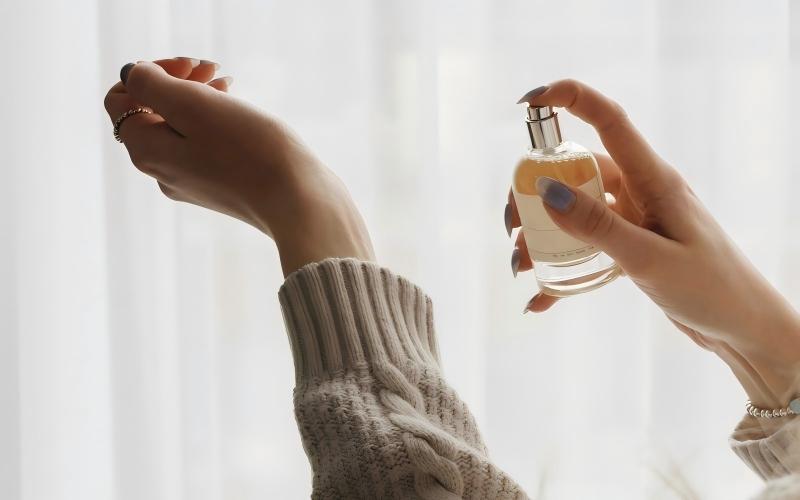
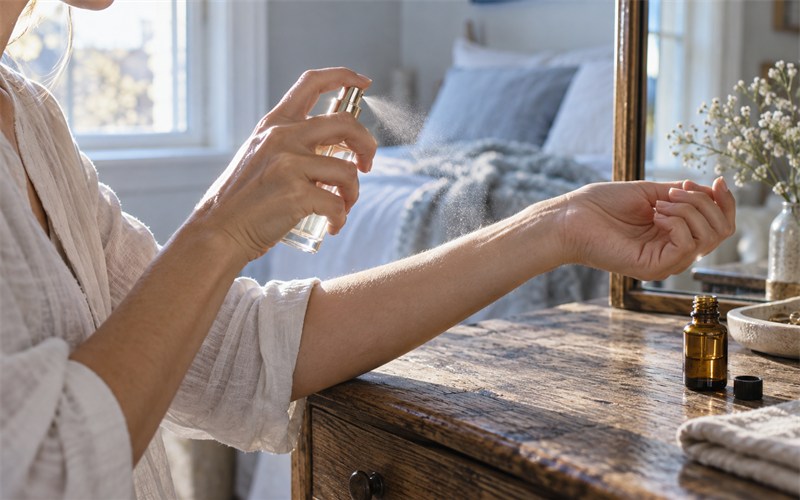
Cologne performs best when applied to pulse points, areas where warmth encourages diffusion. The neck, inner wrists, and behind the ears are classic choices. Less obvious locations, such as the inner elbows, can also be effective.
Spraying distance should allow a fine mist, not a concentrated spot. One to three sprays is usually sufficient. More does not equal better.
Timing is critical. Applying cologne shortly after showering, when skin is clean and slightly hydrated, enhances performance.
Common Mistakes That Weaken Cologne Performance
Overapplying is the most common error. It overwhelms the senses without extending longevity. Rubbing the skin after spraying disrupts molecular structure and accelerates evaporation.
Applying cologne to dry or irritated skin diminishes its ability to bind. Using cologne in confined or formal settings without restraint can also undermine its intended effect.
Subtlety is not weakness. It is control.
How to Make Cologne Last Longer Without Overpowering
Moisturized skin retains fragrance more effectively. An unscented lotion applied beforehand creates a receptive surface.
Layering with neutral products extends wear without altering character. Strategic reapplication, rather than excessive initial spraying, maintains freshness throughout the day.
Choosing colognes with firmer base notes such as woods or ambers can also enhance endurance without sacrificing lightness.
When Cologne Is the Better Choice
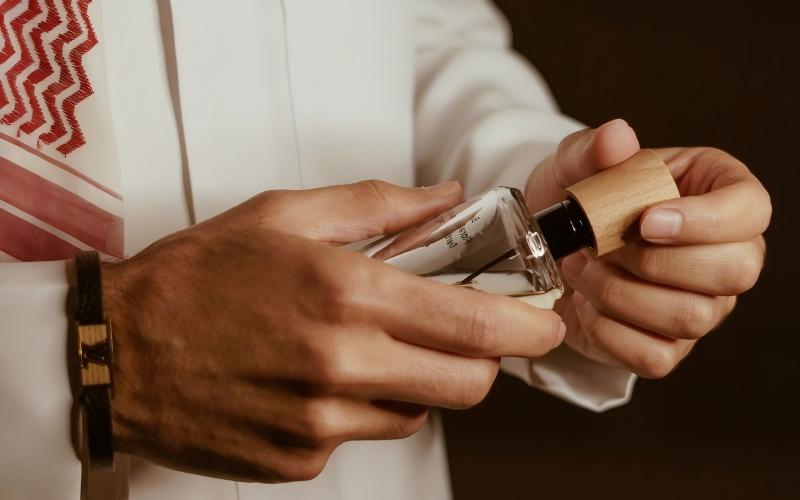
Cologne excels in professional environments where discretion is valued. It thrives in hot weather, travel, and active settings where heavy scents can become oppressive.
Close-contact situations benefit from its airy presence. Those sensitive to strong fragrances often find cologne more comfortable and wearable.
Comfort should never be underestimated.
Cologne vs Perfume in Everyday Life
Daytime favors freshness. Evening allows depth. Cultural norms influence expectations, but personal awareness matters more.
Balancing freshness with presence requires intention. The right fragrance at the right strength enhances rather than announces.
Matching fragrance to occasion is not about rules. It is about situational intelligence.
Cologne, when used correctly, offers refinement, adaptability, and quiet assurance. It enhances presence without intrusion.
Choosing fragrance based on context and lifestyle leads to better experiences and greater confidence. A thoughtful fragrance routine respects both the wearer and those nearby.