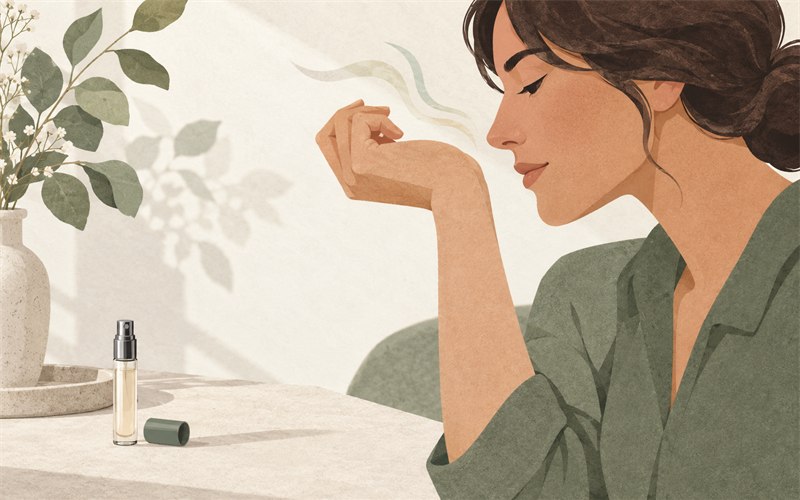

Is Lilial banned in perfume?
In the global fragrance industry, regulatory compliance is as critical as scent creativity. One topic that has generated considerable attention among perfumers, formulators, and procurement professionals is Lilial—an aroma chemical long used to impart floral, clean, and powdery facets in perfumes and scented products. But what is its regulatory status today, and what does that mean for product development and market access?
What Is Lilial?
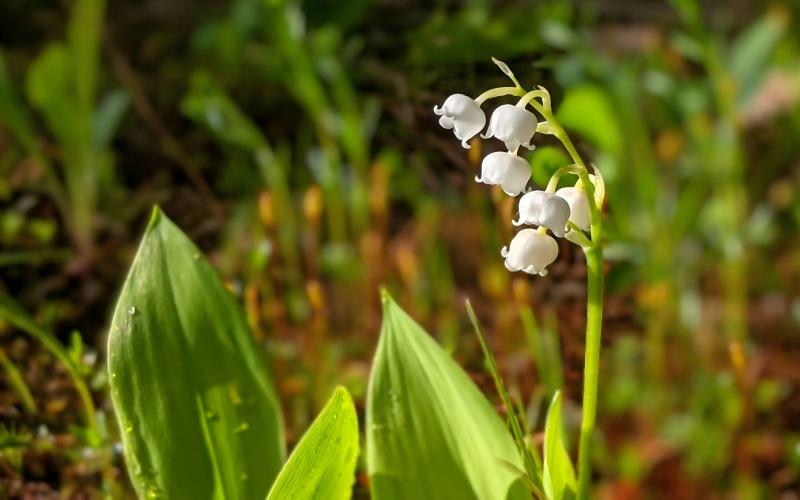
Lilial (chemical name: butylphenyl methylpropional or BMHCA) was historically used for its pleasant lily-of-the-valley-like scent. It was popular in fine fragrances, personal care products, household scents, and laundry fragrances because of its fresh, floral quality.
Chemically, Lilial belongs to the class of aromatic aldehydes and has been appreciated for its ability to enhance floral and musky accords. However, like many fragrance raw materials, its safety profile has been subject to regulatory evaluation based on toxicity and consumer exposure.
Regulatory Evaluation: The European Context
The most impactful regulatory action on Lilial has originated in the European Union.
Safety Assessment by SCCS
In 2019, the EU Scientific Committee on Consumer Safety (SCCS) concluded that available data indicated potential reproductive toxicity concerns associated with Lilial based on animal studies. As a result, Lilial was evaluated under the EU cosmetic regulatory safety framework.
EU Ban Under Cosmetics Regulation
Following the SCCS opinion, Lilial was formally prohibited in cosmetic products in the EU, including perfumes and fragranced products intended for dermal application. It is now listed as a prohibited substance under Annex II of the EU Cosmetics Regulation (Regulation (EC) No 1223/2009).
This means that cosmetic products placed on the market in the EU—including perfumes, body sprays, lotions with fragrance, and other fragranced finished goods—must not contain Lilial.
Official EU documentation confirms that Lilial’s use in cosmetic products marketed within EU member states is no longer permitted after the regulatory compliance deadline.
Global Regulatory Landscape: Beyond the EU
The status of Lilial in other major markets varies:
United States
In the U.S., fragrance ingredients are regulated under the Federal Food, Drug, and Cosmetic Act (FD&C Act), and safety evaluations are provided by The Cosmetic Ingredient Review (CIR) Expert Panel. As of the last published reviews, Lilial has not been subject to a full updated safety ban under U.S. regulations, meaning it is not currently prohibited by the FDA.
However, many U.S. fragrance houses and consumer brands self-regulate by aligning formulations with EU safety standards, which have significant influence globally.
Asia Pacific and Other Regions
Regulatory frameworks in countries such as Japan, South Korea, China, and ASEAN member states tend to follow a mix of national safety assessments and international standards. While Lilial may not be expressly banned in some of these markets, its status is increasingly scrutinized, and compliance with IFRA (International Fragrance Association) standards remains a priority for multinational brands.
IFRA Standards
IFRA sets global usage standards for fragrance ingredients—including banned substances—based on toxicological data and risk assessments. Following EU action, Lilial is also restricted under certain IFRA amendment cycles, meaning formulators must monitor both regulatory and industry standard updates.
What This Means for Fragrance Brands and Buyers

The question “Is Lilial banned in perfume?” has a clear regional answer: Yes in the EU; regulated or restricted in practice in many other territories due to safety alignment; and potentially permitted under current U.S. law with caveats.
For fragrance brands and buyers, the implications include:
Products containing Lilial cannot be sold as cosmetics (including perfumes) in the EU. This restriction affects market coverage, distribution planning, and labeling compliance.
Many global retailers enforce compliance with EU and IFRA standards as a baseline—even in markets where Lilial is not formally banned—making it commercially advisable to avoid Lilial altogether.
Removing Lilial from existing formulas without compromising olfactory qualities requires strategic substitution—often with aldehydic, floral, or musky alternatives that retain desired performance characteristics.
Practical Reformulation Approaches
Across the industry, successful reformulations typically use combinations of:
Aldehydic synthetics with bright, floral profiles
Musk and amber allies that provide warmer or softer dry-downs
Reconstructed accords that mimic the aesthetic role Lilial once played
Professional perfumers and sourcing partners often blend multiple raw materials to retain target scent signatures while removing restricted substances.
Let’s Build Compliant Fragrances That Travel
At Scentake, we integrate regulatory insight with formulation expertise to help fragrance brands succeed in global markets.
Whether you are developing new scents or updating existing ones, Scentake understands the intersection of olfactory performance, safety standards, and commercial viability.
If you are looking for a reliable production partner to bring your fragrance ideas to life, or if you need a high-quality, readily available fragrance that meets market demand. Look no further! We are a professional perfume manufacturer located in Shenzhen, China specializing in both private label OEM/ODM services and ready-stock perfume supply.
Contact Scentake to explore compliant fragrance solutions, regulatory support, or customized scent development for your brand’s global strategy.