
Why Do Some Perfumes Smell Different on Skin
A practical guide to body chemistry, evaporation, climate, and smarter fragrance testing.
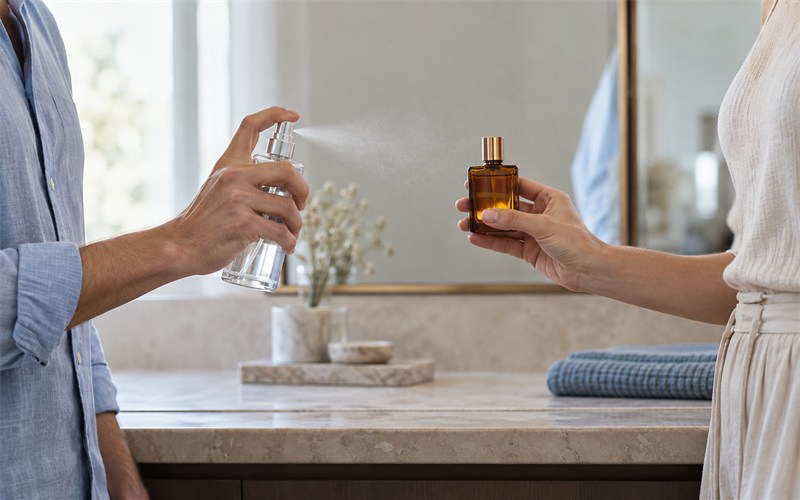
A perfume can smell radiant on a paper blotter, creamy on one person's wrist, sharp on another, and oddly flat on your own skin by lunchtime. That does not mean your nose is wrong or the fragrance is fake.
Perfume is a moving mixture. Once it touches skin, it meets heat, oil, moisture, skin texture, residual body odor, clothing, climate, and time. Those small variables can change which notes rise first, which notes linger, and which parts of the formula seem louder than expected.
For consumers, understanding this helps you buy fragrance with more patience. For brands, it explains why real-wear testing matters before a formula is approved.
The Short Answer
Perfumes smell different on skin because every person's skin creates a slightly different evaporation environment. Skin temperature, natural oils, sweat, pH, hydration, microbiome, diet, medication, climate, and application habits can all affect how fragrance molecules release into the air.
A perfume does not become a completely new formula on your wrist. The formula is still the formula. What changes is the balance of what your nose receives over time.
This is why the same fragrance can feel sparkling and clean on one person, warmer and sweeter on another, and drier or more metallic on someone else.
Skin Temperature Changes the Opening
Heat helps volatile materials lift from the skin. If your skin runs warm, bright top notes such as citrus, aromatic herbs, green notes, aldehydes, and light fruits may bloom quickly. The fragrance can feel vivid in the first minutes, then move faster into the heart and base.
Cooler skin often slows that release. The perfume may feel softer, less diffusive, or more restrained at first. This is one reason a scent that seems quiet indoors can feel larger after a walk, workout, or warm commute.
Temperature also changes perception. A dense amber or vanilla may feel cozy in cool weather and heavy in humid heat. A crisp cologne may feel perfect in summer and surprisingly thin in winter.
Skin Oils Can Hold and Round a Fragrance
Natural skin oils can act like a soft holding layer for fragrance materials. On well-moisturized or oilier skin, some perfumes last longer and feel smoother because the fragrance does not disappear as quickly from a dry surface.
Dry skin often lets top notes flash off, then leaves the wearer wondering why the perfume vanished. In that case, applying an unscented moisturizer before perfume can improve the experience. It gives the scent a more comfortable surface without changing the formula dramatically.
This also explains why perfume can smell different on fabric than on skin. Fabric has no living warmth, sweat, sebum, or skin texture. It can hold certain base notes beautifully, yet it cannot show the same evolution as a pulse point.
Sweat and Body Odor Add Another Layer
Sweat itself is not the whole story. Cleveland Clinic explains that body odor develops when sweat meets the bacteria naturally present on skin. That personal background odor can sit under a perfume and change how fresh, sweet, sour, musky, or warm the final impression feels.
This does not mean perfume performs badly on active skin. Many fresh, citrus, marine, aromatic, and clean musky fragrances are designed to feel lively around warmth and movement. The issue is context. A fragrance tested after a shower may smell different after stress, exercise, spicy food, or a long day in humid weather.
For honest testing, try a perfume on clean skin first. Then notice how it behaves during normal life. The second part matters because perfume is worn in motion, not in a sealed laboratory.
Skin pH and the Microbiome Play Subtle Roles
People often blame skin pH for every perfume surprise. It can matter, though usually as one factor among several. Skin surface conditions influence how materials sit, evaporate, and interact with moisture and oil.
The skin microbiome is also part of the background. Different skin flora can influence body odor, especially when sweat and sebum are present. A perfume rich in musks, woods, spices, or animalic nuances may blend with that background more noticeably than a very transparent citrus cologne.
The practical point is simple: two people can wear the same perfume correctly and still get different results. Skin is not a neutral strip of paper.
The Formula Structure Matters Too
Some perfumes are built to be linear. They smell fairly similar from start to finish, with a clear signature that changes slowly. Others are intentionally dramatic, moving from citrus to floral heart to amber, musk, woods, or gourmand base.
If a formula depends heavily on delicate top notes, it may feel very different on warm or dry skin. If it contains strong musks, amber woods, vanilla, patchouli, or resinous materials, the drydown may dominate differently from person to person.
Materials also have different volatility. Bergamot, grapefruit, lavender, mint, and light aldehydes tend to appear early. Rose, jasmine, spices, and fruits often shape the heart. Musks, woods, balsams, vanilla, labdanum, vetiver, and amber notes tend to anchor the base. Your skin changes the pacing of that performance.
Climate Can Make the Same Perfume Feel New
Humidity, wind, air conditioning, and seasonal temperature all change how perfume behaves. In humid weather, sweet or heavy notes may feel more enveloping. In dry air, the same perfume may seem cleaner and more transparent. In cold weather, a fragrance may sit closer to skin until body heat wakes it up.
This is why a perfume bought on vacation can feel different at home. The scent is the same, but the air around it is not. Even altitude, indoor heating, and clothing layers can change projection and longevity.
For brands selling across markets, climate testing is especially important. A fragrance that feels elegant in a cool showroom may need adjustment for tropical retail environments, outdoor use, or humid personal-care routines.
Why Blotters Still Matter
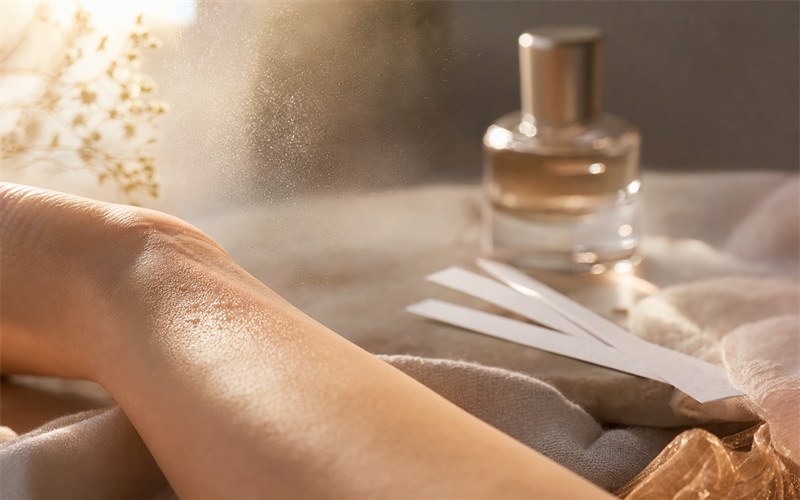
Paper blotters are useful because they let you compare fragrances on a neutral surface. They show the formula's broad direction without interference from skin. That makes them excellent for shortlisting.
They cannot tell the whole story.
Use blotters to narrow choices, then test one or two finalists on skin. Wearing five perfumes on your arms at once can confuse your nose and make every drydown harder to read. A slower test gives better information.
How to Test Perfume More Accurately
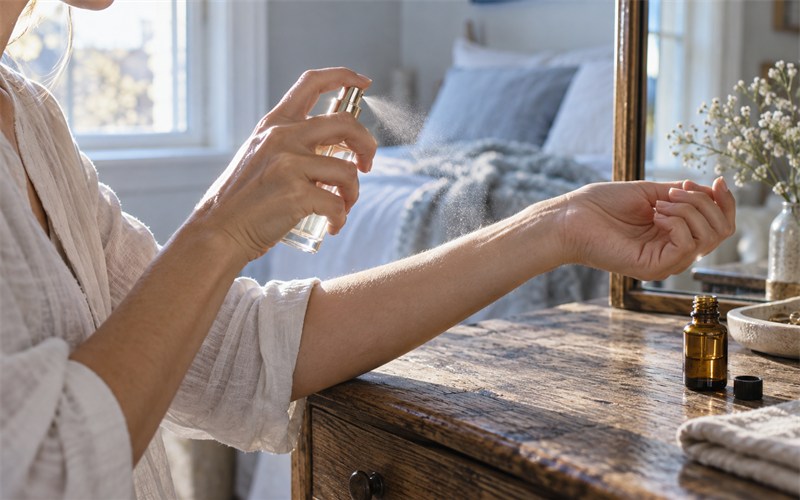
Testing perfume well is less romantic than spraying everything in the store, but it saves money and disappointment. Use clean, unscented skin. Avoid strongly scented lotion before testing. Apply one or two sprays and wait through the full development.
Notice the first ten minutes, then the one-hour heart, then the drydown after four to six hours. Do not judge only the opening. Many excellent perfumes need time to settle, while some exciting openings become ordinary later.
FDA guidance on fragrances in cosmetics notes that some people may be allergic or sensitive to certain fragrance ingredients even when those ingredients are safe for most people. If your skin becomes itchy, red, or irritated, stop using the product. Enjoyment should never require ignoring your skin.
A Practical Skin-Test Checklist
Use this simple approach when deciding whether a perfume truly works for you:
| Step | Why it helps |
|---|---|
| Start clean | Test on clean skin without scented lotion, soap residue, or another perfume nearby. |
| Limit samples | Try one fragrance per wrist or arm area so drydowns do not overlap. |
| Wait longer | Check the opening, heart, and drydown instead of judging only the first spray. |
| Test your climate | Wear it during normal weather, commuting, indoor air conditioning, or daily activity. |
| Watch comfort | Stop using it if you notice irritation, itching, redness, or headaches. |
| Compare fabric carefully | Fabric can show longevity, but skin reveals the true wearing character. |
What This Means for Fragrance Brands
For a fragrance brand or private-label developer, skin variation is a formulation reality. A winning sample should be evaluated on blotter, skin, and the intended product base. It should also be tested by different people when possible, especially if the target market spans climates, age groups, or usage occasions.
Safety and documentation matter as well. IFRA Standards provide a global framework for the safe use of fragrance ingredients, and an IFRA certificate connects a formula to product categories and use levels. Good testing considers both sensory performance and responsible use.
The goal is not to make a fragrance smell identical on everyone. That is unrealistic. The goal is to create a coherent signature that remains attractive across normal skin and climate differences.
Working With Scentake
Scentake works with fragrance brands, private-label buyers, and product developers who need scents that perform in real conditions, not only on a test strip. From fragrance direction and sample refinement to application testing and supply support, the process should consider how the final customer will actually wear or use the product.
If you are developing a perfume, body mist, personal-care fragrance, or scented product line, contact Scentake with your target market, product format, and scent direction. A thoughtful brief and real-wear testing can turn a pleasant idea into a fragrance people want to keep using.