
The Oriental and Ambery Perfumes: Expert Guide to Vanilla, Tonka, and Resins
Why This Fragrance Family Feels So Memorable
Oriental and ambery perfumes sit in the warmest corner of the fragrance world. They feel rounded, textured, and intimate because many of their signature materials have a natural association with desserts, incense, polished wood, skin warmth, and evening light. A good ambery perfume can feel plush without becoming heavy, while a good oriental structure can feel mysterious without relying on old-fashioned sweetness.
The naming has changed in many modern fragrance houses. Some brands now prefer ambery, ambered, or warm spicy language because it describes the smell more directly for global consumers. The olfactory idea remains useful for buyers: a blend built around vanilla, balsamic resins, tonka, labdanum, benzoin, spices, musks, woods, and sometimes smoky or leathery facets.
For consumers, this family is often chosen for longevity and presence. For brands, it is a practical direction for premium eau de parfum, candle lines, body care, room sprays, and seasonal gift sets because it gives an immediate sense of value.
Vanilla: Softness, Volume, and Familiar Comfort
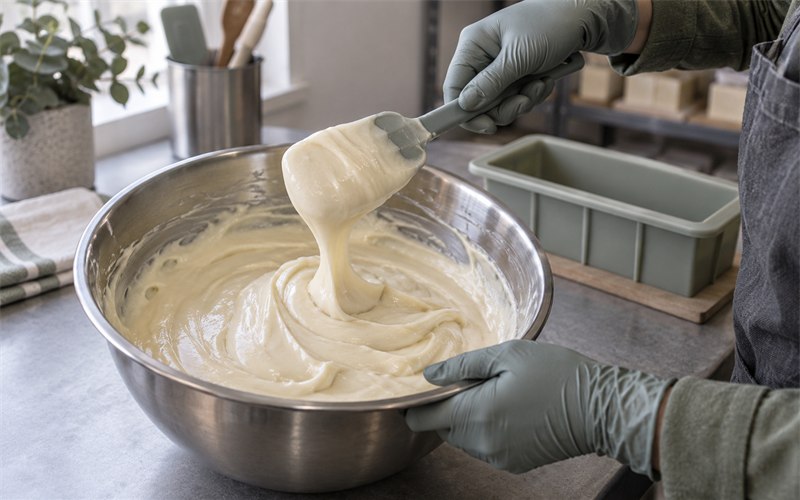
Vanilla is one of the easiest notes for customers to recognize, yet it is rarely simple in a finished perfume. Natural vanilla extracts can smell creamy, woody, boozy, smoky, or slightly leathery depending on origin and extraction. Vanillin and ethyl vanillin give perfumers cleaner sweetness, stronger diffusion, and better cost control.
In an ambery formula, vanilla often works like soft lighting. It smooths the edges of woods, rounds sharp spices, and gives resinous notes a more wearable finish. Too much vanilla can push a scent toward dessert; too little can leave the base dry and austere. The art is balance.
Buyers developing a private-label fragrance should ask whether the vanilla effect is meant to feel edible, powdery, smoky, or elegant. Those four directions lead to very different formulas, packaging choices, and target audiences.
Tonka: Almond Warmth and Coumarin Nuance
Tonka bean materials are famous for their coumarin-rich profile: almond-like, hay-like, tobacco-like, creamy, and slightly spicy. In perfumery, tonka helps bridge gourmand sweetness with a drier, more sophisticated base. It can make an ambery perfume feel polished rather than sugary.
Coumarin also appears on many regulatory and allergen review lists, so a professional fragrance supplier should provide clear usage guidance for the product category and destination market. A fine perfume, a deodorant, and a leave-on body lotion have different exposure profiles.
When evaluating tonka-heavy samples, smell the drydown after several hours. The opening can be cozy and seductive, while the late base reveals whether the formula has enough structure from woods, musks, resins, or amber materials.
Resins: The Balsamic Backbone
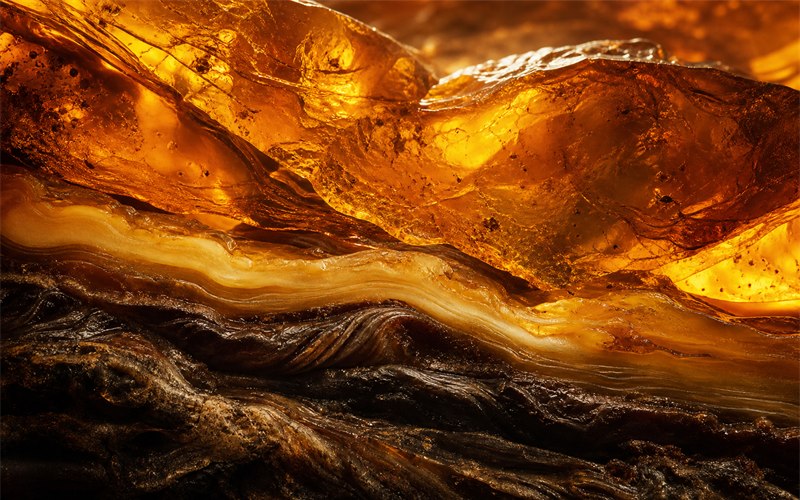
Resins give oriental and ambery perfumes their deep, slow-burning character. Benzoin brings vanilla-balsamic sweetness. Labdanum adds leathery amber richness. Myrrh can feel mineral, smoky, and meditative. Frankincense brings lift, citrus-like brightness, and a dry incense trail.
These materials are valuable because they create body and persistence. They also help a fragrance feel less flat on skin. A base made only from sweet notes may fade into a uniform softness; a resinous base keeps changing as it dries.
For commercial development, resin quality matters. Natural resinoids can vary in color, odor strength, solubility, and supply stability. A reliable manufacturer will consider staining risk, formula clarity, alcohol compatibility, and batch consistency before approving a production formula.
How to Choose an Oriental or Ambery Perfume
Start with the drydown. Spray the fragrance on a blotter and on skin, then wait at least three hours. This family often reveals its real personality late, after the brighter top notes have moved away.
For daily wear, look for amber woods, soft vanilla, clean musks, and gentle spices. For evening wear, richer labdanum, benzoin, tonka, oud-style woods, tobacco, or incense can add more drama. For warm climates, choose transparent amber and dry woods so the fragrance stays elegant in heat.
Skin chemistry matters here. Warm ambery bases can become sweeter on some people and drier on others. If a perfume smells heavy at first, test a lighter application before dismissing it.
Safety, Labels, and Market Readiness
A beautiful ambery perfume still needs responsible technical control. IFRA, the International Fragrance Association, publishes standards that guide safe use of fragrance ingredients by product category. In the European Union, Regulation (EU) 2023/1545 expanded fragrance allergen labelling requirements under the cosmetics framework. In the United States, FDA guidance explains that fragrance ingredients in cosmetics must be safe for consumers under labeled or customary conditions of use.
This is especially relevant for warm materials such as coumarin, balsamic ingredients, spice components, and natural extracts with allergen constituents. A brand planning international sales should confirm IFRA category compliance, allergen declarations, documentation, and stability before launch.
Consumers can also use labels wisely. If you know you react to certain fragrance allergens, check the ingredient list and patch test cautiously, especially with intense extrait, oil-based perfume, or scented body products.
A Practical Development Checklist
- Define the target mood: cozy, sensual, smoky, resinous, gourmand, woody, or clean amber.
- Request both blotter and skin evaluations because the late base is the selling point.
- Check the IFRA category for each product format before confirming dosage.
- Ask for allergen and documentation support if the product will enter the EU, UK, or other regulated markets.
- Test color, clarity, and packaging compatibility because some resinous materials can affect appearance over time.
How Scentake Helps Brands Build Warm Signature Scents
Scentake works with fragrance brands, wholesalers, and private-label teams that need practical support from concept to finished scent. For oriental and ambery directions, that can include material selection, sample refinement, IFRA-aware formulation, packaging alignment, and production-ready fragrance concentrate.
If you are developing a warm vanilla, tonka, resin, or amber-led fragrance for personal care, fine fragrance, home fragrance, or gift products, contact Scentake to discuss a scent direction and sample brief.