
Patchouli’s Resurgence – Hippie Icon to Perfume Powerhouse
Patchouli Is Having a Second Life
Patchouli has carried more cultural baggage than almost any other perfume material. For some people, it still means incense shops, tie-dye, record sleeves, and heavy oil blends. For modern perfumers, it has become something far more flexible: a woody, earthy, camphoraceous, chocolate-dark, amber-friendly material that can make a fragrance feel expensive and grounded.
The resurgence of patchouli is not nostalgia alone. It is driven by better fractionation, cleaner qualities, modern woody amber construction, niche fragrance taste, and a consumer shift toward darker, more textured drydowns.
Today patchouli can smell bohemian, luxurious, mineral, smoky, clean, leathery, cocoa-like, or almost transparent. That range explains why it has moved from counterculture symbol to perfume powerhouse.
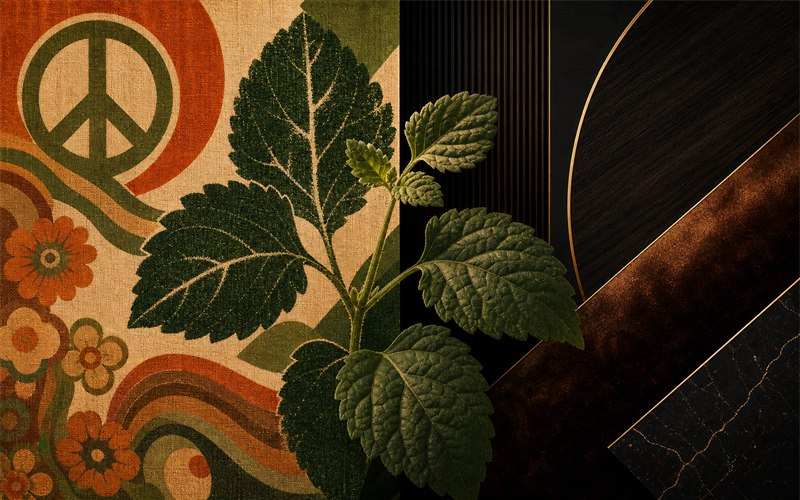
Why Patchouli Became a Hippie Icon
Patchouli oil became strongly associated with the 1960s and 1970s counterculture because it was intense, long-lasting, inexpensive in small amounts, and commonly used in oils, incense, textiles, and head-shop blends. Its earthy scent also matched the era's taste for natural materials and alternative lifestyles.
That association was powerful, yet it flattened the material's reputation. Many consumers learned to think of patchouli as heavy, dirty, and overpowering. Poor-quality oil, overdosing, and simplistic blends reinforced the stereotype.
Modern perfumery has slowly corrected that picture. When patchouli is refined and balanced, it can be elegant, dry, velvety, and surprisingly polished.
What Patchouli Smells Like
Patchouli oil can smell earthy, woody, damp, leafy, camphoraceous, spicy, smoky, balsamic, and slightly sweet. Some qualities show cocoa, tobacco, wine-cellar, or leather nuances. The best materials have depth without smelling muddy.
Age can change the impression. Well-stored patchouli often becomes smoother and rounder over time, while poor storage can create dullness or harsh off-notes. Origin, harvest, drying, distillation, and post-processing all shape the final odor.
In a finished perfume, patchouli rarely acts alone. It supports rose, amber, vanilla, incense, citrus, woods, chypre structures, gourmand notes, and musks. A small amount can add shadow; a larger amount can become the signature.
The Rise of Clean Patchouli Fractions
One reason patchouli feels modern again is fractionation. Perfumers can use materials that emphasize cleaner woody, amber, or patchouli-alcohol facets while reducing the damp, rough, or overly earthy parts that some consumers dislike.
Clean patchouli fractions allow brands to build elegant woody ambers, transparent chypres, polished rose patchouli scents, and contemporary masculine or unisex bases. The material can still feel natural and textured, yet it does not need to smell like a vintage oil shop.
This is useful for product development. A fine fragrance may enjoy a dark natural patchouli. A body lotion, shampoo, or diffuser might need a cleaner, lower-color, more stable patchouli effect.
Patchouli in Modern Fragrance Families
In chypre fragrances, patchouli helps create the dry, mossy backbone that gives elegance and tension. In rose perfumes, it adds depth and a slightly wine-dark base. In amber fragrances, it brings earth and structure beneath vanilla, labdanum, benzoin, and musks.
Patchouli also works beautifully in gourmand scents. It can turn chocolate, coffee, praline, or vanilla from sweet dessert into something more adult. In woody fragrances, it gives density and natural roughness behind cedar, sandalwood, vetiver, and modern amber woods.
For clean fragrances, a soft fraction can add subtle skin warmth without shouting. That quiet use is one of the reasons patchouli appears in more formulas than many consumers realize.
Sourcing, Quality, and Sustainability
Patchouli is cultivated in several regions, with Indonesia historically important in global supply. Quality depends on plant material, drying, fermentation-like handling, distillation, storage, and supplier discipline.
Brands should ask for botanical name, country of origin, batch number, IFRA certificate for the intended product category, allergen information, SDS where relevant, and quality data when available. If the marketing story emphasizes natural origin or sustainability, traceability and supplier transparency become even more important.
A good supplier can also advise on color, solubility, odor consistency, and whether natural oil, fraction, or reconstructed patchouli accord is best for the finished product.
Safety and Formula Control
Patchouli is a powerful fragrance material, so professional use needs safe-use review. IFRA Standards guide fragrance use by product category. For cosmetic products, local rules around ingredient labelling, allergens, and consumer safety also apply.
The right dosage depends on whether the product is fine fragrance, lotion, soap, shampoo, candle, diffuser oil, or perfume oil. Patchouli that smells elegant in alcohol may become too dark in a cream base or too heavy in a small room diffuser.
Stability testing is also practical. Natural patchouli can influence product color and may shift over time. Testing in the actual base is more reliable than judging only from a blotter.
How Brands Can Use Patchouli Without Feeling Dated
Choose the patchouli personality first: clean woody, dark earthy, cocoa gourmand, rose chypre, amber patchouli, incense patchouli, or transparent musk.
Avoid overdosing unless the product is deliberately niche, bold, and dark.
Pair patchouli with lift: citrus, aromatic herbs, tea, transparent florals, mineral musks, or dry woods.
Use cleaner fractions when the target market dislikes the old hippie-oil association.
Make sure packaging and storytelling match the chosen style, from bohemian craft to luxury woody amber.
How Scentake Develops Patchouli Directions
Scentake helps fragrance brands and private-label teams turn raw-material ideas into market-ready scent concepts. For patchouli, that may mean building a refined woody amber, a rose patchouli signature, a clean unisex base, a dark gourmand, or a home fragrance with earthy depth.
If you want patchouli to feel current rather than dated, contact Scentake with your product format, target customer, and preferred mood. The right patchouli direction can make a fragrance feel richer, longer-lasting, and more distinctive.