
Ylang Ylang – The Exotic Iconic Queen Of Perfumes
A Tropical Flower With a Regal Reputation
Ylang ylang has a scent that feels instantly alive: floral, creamy, spicy, banana-like, jasmine-like, and warm with a soft custard sweetness. It is one of the few natural materials that can make a formula feel sunny and sensual at the same time.
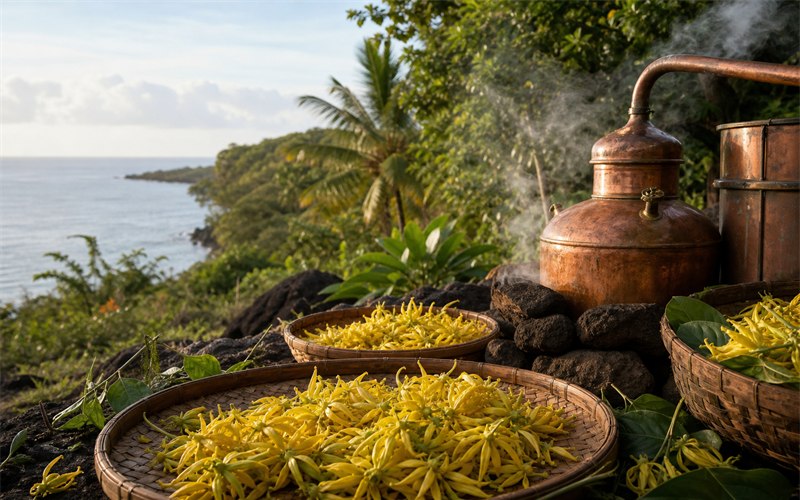
The name is strongly associated with tropical islands, especially the Comoros, Madagascar, Mayotte, and parts of Southeast Asia. In perfumery, the oil has earned a royal nickname because it can sit at the heart of floral bouquets, amber florals, solar scents, and creamy exotic accords.
For consumers, ylang ylang often smells lush and optimistic. For brands, it is useful when a fragrance needs a recognizable natural floral signature with warmth, body, and emotional color.
What Ylang Ylang Smells Like
Ylang ylang is more textured than a simple flower note. It can suggest yellow petals, ripe banana, jasmine, clove, cream, honey, tropical fruit, and faint green spice. Some qualities smell bright and floral; others feel heavier, narcotic, or slightly medicinal.
That complexity explains why ylang ylang appears in many floral perfumes and solar compositions. It can add softness to white florals, warmth to ambery perfumes, and a relaxed tropical glow to body mists, hair mists, candles, and spa products.
The material also blends beautifully with jasmine, rose, orange blossom, tuberose, coconut, vanilla, sandalwood, patchouli, benzoin, musk, citrus, and soft spices. Used with care, it gives lift and volume rather than heaviness.
Origins, Harvesting, and Distillation Grades
Ylang ylang oil is distilled from the flowers of Cananga odorata. The harvest is delicate because the flowers need to be handled quickly, and the distillation can be fractionated into grades such as extra, I, II, III, and complete. These grades have different odor profiles and commercial uses.
Extra grades are often more floral, bright, and refined, making them valuable for fine fragrance. Later fractions can be heavier, spicier, or more tenacious, which may suit soaps, candles, body care, or supporting base effects. Complete oil gives a broader picture of the flower.
A professional fragrance supplier should help buyers choose the right grade for the product format, target price, color tolerance, and desired scent character.
Why Perfumers Call It the Queen of Perfumes
Ylang ylang has prestige because it can do several jobs at once. It adds floral richness, creamy body, natural warmth, and a distinctive tropical identity. In a formula, it can make a simple floral accord feel more expensive and a sweet amber accord feel more alive.
Classic perfumery often uses ylang ylang to build bouquet effects, especially where jasmine, rose, neroli, tuberose, or aldehydes need a soft golden bridge. Modern brands use it in beachy florals, clean solar musks, wellness fragrances, gourmand flowers, and genderless creamy woods.
It is also a strong storytelling material. Island origin, flower harvesting, distillation craft, and solar sensuality all give marketers something concrete to communicate without inventing a fantasy from nothing.
How to Wear Ylang Ylang
If you like creamy florals, look for ylang ylang with vanilla, coconut, musk, sandalwood, or benzoin. If you prefer freshness, try it with citrus, tea, watery notes, or clean musks. If you want something more dramatic, ylang ylang with jasmine, amber, patchouli, or incense can feel elegant and evening-ready.
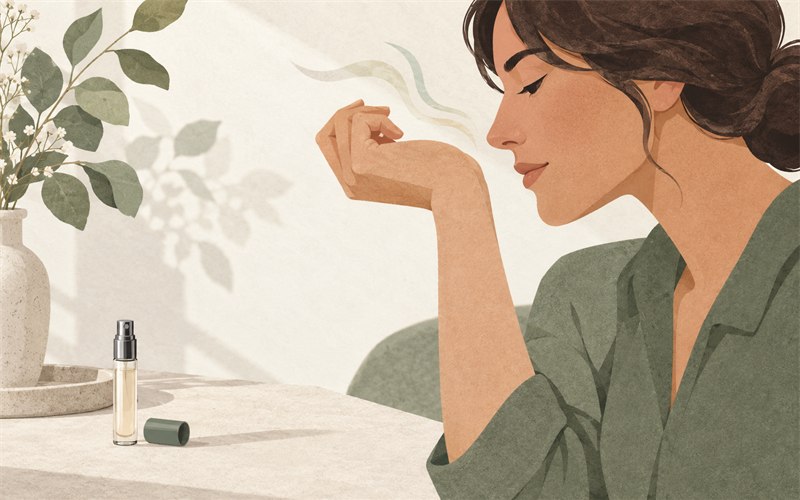
Ylang ylang can become rich on warm skin, so start lightly. One or two sprays may be enough when the formula is dense. In hot weather, fresher solar versions usually wear better than heavy tropical florals.
Testing on skin matters because the material can shift from bright floral to creamy spice as the drydown develops. If a sample feels too sweet at first, wait before judging it.
Safety, Allergens, and Responsible Use
Like many natural floral oils, ylang ylang contains aromatic constituents that need safe-use review. IFRA Standards guide fragrance use by product category, and brands should request an IFRA certificate for the intended application.
For cosmetic products, allergen labelling also matters. The EU expanded fragrance allergen labelling through Regulation (EU) 2023/1545, which affects many scented cosmetics sold in Europe.
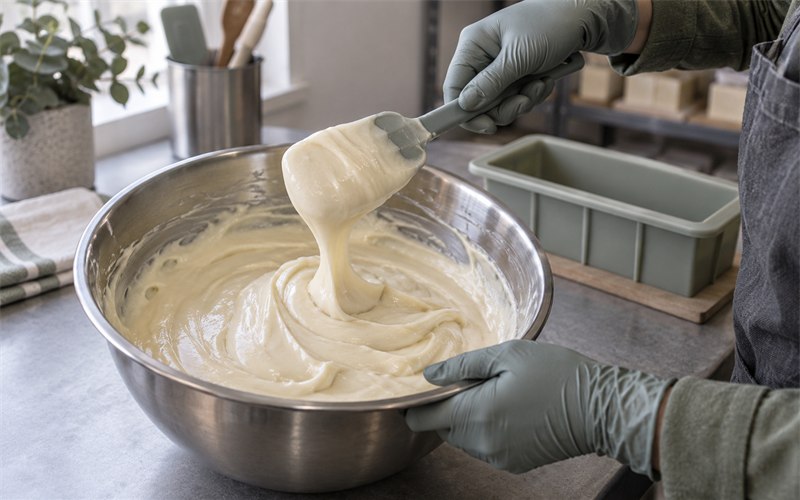
Consumers with sensitive skin should apply cautiously and avoid broken or irritated skin. Brands should test the actual base, because ylang ylang can behave differently in alcohol perfume, lotion, shampoo, soap, diffuser oil, or candle wax.
Development Tips for Brands
- Define the ylang ylang style first: creamy solar floral, tropical fruit floral, white-flower bouquet, spa-like floral, amber floral, or clean musky flower.
- Choose the grade according to the application. A fine fragrance may need a polished top fraction, while a soap or candle may need a more robust profile.
- Check color, solubility, stability, allergen documentation, and supply consistency before approving a production formula.
- Use packaging that matches the material’s mood. Ylang ylang can feel natural and botanical, glamorous and golden, or relaxed and resort-like.
How Scentake Can Help
Scentake helps fragrance brands and private-label teams translate natural material ideas into market-ready scents. For ylang ylang, that may mean a solar body mist, a tropical floral eau de parfum, a spa candle, a creamy shampoo fragrance, or a polished floral amber.
If you are developing a product built around ylang ylang or other floral materials, contact Scentake with your target market, product base, price range, and preferred scent direction.