
Masculine Fragrances Let’s Hear it For The Boy!
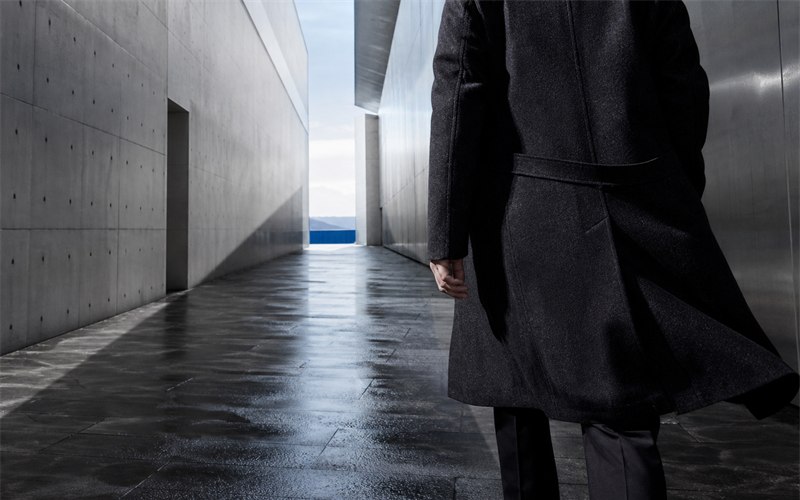
Masculine Fragrance Has Moved Beyond One Uniform
Masculine fragrance used to be summarized with a narrow wardrobe: sharp citrus, lavender, oakmoss, shaving foam, leather, tobacco, and dry woods. Those materials still matter, yet today’s masculine scents have become broader, softer, fresher, darker, and more personal.
A modern men’s fragrance might smell like mineral woods, clean musk, smoky vetiver, spicy amber, blue marine air, green fig leaf, black tea, suede, or creamy sandalwood. It may be worn by men, marketed to men, or enjoyed by anyone who likes its structure.
For brands, this creates opportunity. Masculine fragrance can now serve grooming, fine fragrance, body care, candles, hotel amenities, and private-label gift sets without relying on one old-fashioned idea of strength.
Fresh Aromatic: The Clean Start
Fresh aromatic scents are built around citrus, herbs, lavender, mint, rosemary, sage, basil, and airy musks. They feel clean, energetic, and easy to wear in warm weather or professional settings.
This family works well for first fragrances, aftershave-style products, shower gels, deodorants, and light eau de toilette. The mood is crisp rather than heavy.
The fragrance wheel helps buyers understand how aromatic scents connect with citrus, green, woody, and fougere directions.
Woody: The Backbone of Modern Masculinity
Woody notes give masculine fragrances their architecture. Cedarwood feels dry and clean. Sandalwood feels creamy and polished. Vetiver feels earthy, smoky, mineral, and elegant. Patchouli adds darker texture.
A woody fragrance can feel formal, rugged, minimalist, or luxurious depending on the materials around it. Citrus makes it brighter. Amber makes it warmer. Musk makes it more skin-like.
Scentake’s guide to vetiver root explains why this material remains so important in men’s and unisex fragrance development.
Amber, Spice, and Warm Drydowns
Amber and spice create the evening side of masculine fragrance. Vanilla, labdanum, benzoin, tonka, cinnamon, cardamom, incense, and modern amber woods can make a scent feel rich, intimate, and long-lasting.
The challenge is balance. Too much sweetness can push a men’s scent into dessert territory. Too much dry amber can become harsh. A good formula uses woods, musk, citrus, or herbs to keep the warmth wearable.
For a deeper base-note view, the article on oriental and ambery perfumes is useful for understanding vanilla, tonka, and resinous structures.
Leather, Tobacco, Smoke, and Dark Texture
Leather, tobacco, birch tar effects, incense, coffee, cacao, and smoky woods can make a masculine fragrance feel distinctive. These materials are common in niche, luxury, winter, and evening scents.
Dark textures need restraint. A beautiful leather accord can feel elegant in fine fragrance and overwhelming in body care. A tobacco note can feel warm and smooth, or dry and ashy, depending on the supporting materials.
This is where sample testing matters. Blotters show structure, while skin shows warmth, sweetness, and diffusion over time.
Musk and Skin Scents for Softer Masculinity
Many modern masculine scents are quieter than older power fragrances. Clean musks, mineral woods, iris, tea, soft suede, ambroxide-style materials, and pale sandalwood can create a close, polished scent trail.
This direction works for office wear, luxury basics, gender-neutral collections, and premium grooming. It also fits markets where heavy projection feels inappropriate.
A softer masculine fragrance can still have character if the drydown has texture from woods, amber, pepper, vetiver, or herbal facets.
Gourmand and Casual Modern Men’s Scents
Coffee, chocolate, pistachio, vanilla, tonka, caramel, honey, and toasted nuts are now common in masculine and unisex fragrances. The grown-up version keeps sweetness controlled with woods, salt, leather, or spice.
Gourmand masculine scents can feel youthful, cozy, and memorable. They work well for limited editions, gift sets, and social media-friendly launches.
For product developers, the key is to decide whether the scent should feel edible, smoky, creamy, sporty, or luxury. Those choices lead to very different formulas.
Safety and Documentation
Masculine fragrance materials can include naturals, spices, resins, musks, aroma molecules, and complex bases. Brands should request IFRA certificates, allergen information, SDS where relevant, and stability guidance.
IFRA Standards guide fragrance use by product category, so a men’s eau de parfum, beard oil, shower gel, candle, and deodorant may need different dosage decisions.
Consumers with sensitive skin should patch test cautiously, especially with intense fragrance oils or leave-on scented grooming products.
How to Brief a Masculine Fragrance
Start with mood: clean, athletic, elegant, smoky, seductive, woody, casual, barbershop, luxury, or outdoorsy. Then choose the main family and the drydown character.
Avoid vague requests like strong men’s perfume. Say whether the scent should be citrus aromatic, woody amber, leather spice, clean musk, aquatic mineral, or coffee gourmand.
A skilled fragrance formula turns that direction into a balanced structure with top, heart, base, diffusion, and safety controls.
How Scentake Develops Masculine Directions
Scentake supports brands that need masculine fragrance concepts for fine fragrance, body care, grooming, home fragrance, and private-label collections. We can help refine scent direction, create samples, support documentation, and adapt the formula to the final product base.
If you are building a modern masculine fragrance line, contact Scentake with your product format, target customer, price range, and preferred fragrance family.