
Perfume Projection vs Sillage vs Longevity: What Do They Actually Mean?
Three Performance Words, Three Different Jobs
Perfume performance is often discussed as if it were one score. In reality, projection, sillage, and longevity describe three separate parts of the wearing experience.
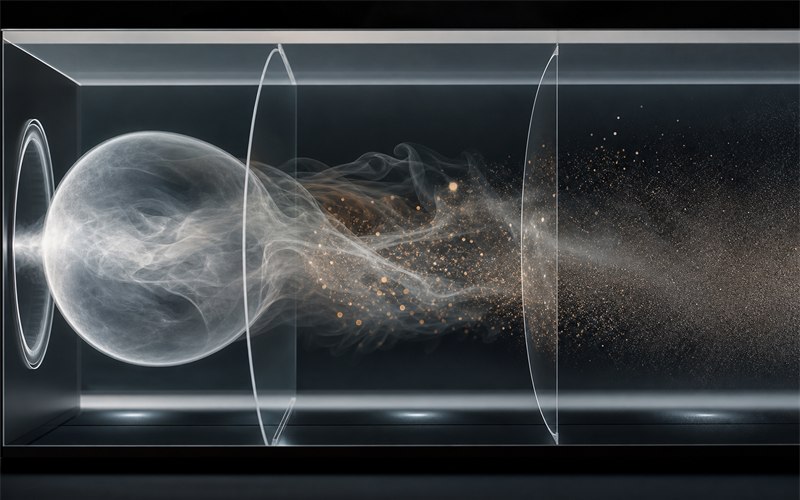
Projection is how far the scent radiates from your body. Sillage is the scented trail you leave behind as you move. Longevity is how long the fragrance remains detectable on skin, hair, or fabric.
A perfume can project strongly for the first hour and still fade quickly. Another can stay on a sweater for two days with almost no room-filling presence. Understanding the difference helps consumers buy smarter and helps brands brief fragrance suppliers with fewer misunderstandings.
Quick Comparison for Real-World Testing
The easiest way to separate these terms is to test the same perfume in three situations: standing still, walking through a room, and checking the drydown later in the day.
Each measurement answers a different question. That is why a single phrase such as “beast mode” can be misleading in product development.
| Term | Plain meaning | Best way to observe it |
|---|---|---|
| Projection | The scent bubble around the wearer. | Ask someone at arm’s length and then farther away during the first two hours. |
| Sillage | The trail left in the air after movement. | Walk through a hallway and ask whether the scent lingers behind you. |
| Longevity | How long the scent remains detectable. | Check skin, blotter, and fabric after four, eight, and twelve hours. |
| Diffusion | How easily materials lift from the formula into the air. | Compare how quickly the scent fills nearby space. |
| Tenacity | How strongly materials cling to a surface. | Smell the drydown after the volatile top notes are gone. |
Projection: The Scent Bubble
Projection is the reach of a fragrance. A strong projector can be noticed before someone comes close. A soft projector stays near the body and may feel more intimate.
Projection is influenced by volatile ingredients, alcohol level, spray pattern, temperature, humidity, skin warmth, and the structure of the fragrance formula. Sparkling top notes can project quickly, while heavy base notes may sit closer to the skin.
High projection is useful for nightlife, outdoor settings, and bold signature scents. It can feel intrusive in offices, small cars, clinics, classrooms, or restaurants. Better performance is contextual, not simply louder.
Sillage: The Trail You Leave
Sillage comes from the French word for a wake or trail. In perfume, it describes the scented trace that follows a person after they pass by.
A perfume with beautiful sillage may create a graceful impression without shouting from the skin. It moves with the wearer, especially when applied to hair, scarves, collars, or fabric that catches air movement.
Sillage depends on diffusion and movement. A rich floral musk, a transparent woody amber, or a soft vanilla can leave a memorable trail even when the wearer does not feel surrounded by a strong scent cloud.
Longevity: The Drydown Clock
Longevity is the duration of the scent. It can be measured on skin, fabric, blotter, or in the finished product base. These surfaces can produce different results.
Long-lasting perfumes often contain base materials such as musks, woods, amber materials, resins, patchouli, vetiver, vanilla, balsams, or certain aroma chemicals with strong substantivity.
Longevity also depends on concentration and formula balance. A high concentration can help, yet a formula with poor drydown structure may still feel thin after a few hours.
Why One Perfume Cannot Max Out Everything
Consumers often ask for maximum projection, maximum sillage, and maximum longevity in one elegant product. Technically, those goals can compete with one another.
Very diffusive materials may create strong lift early in wear, then disappear faster. Very tenacious materials may last beautifully, yet stay close to the skin. A huge scent trail can be exciting in one market and too aggressive in another.
Good perfumery finds the right balance for the intended product: fresh daily cologne, intimate skin scent, long-lasting amber perfume, hair mist, body spray, candle, diffuser, or luxury extrait.
How to Test Performance Without Fooling Yourself
Test on clean skin and avoid judging during the first five minutes. The alcohol flash and top-note sparkle can exaggerate projection.
Use a blotter for formula comparison, skin for real wearing behavior, and fabric for sillage and retention. Ask another person to evaluate at set distances because nose fatigue makes self-assessment unreliable.
Write down time points: 15 minutes, 1 hour, 4 hours, 8 hours, and next day. This simple record gives clearer feedback than a vague comment such as “weak” or “too strong”.
What Brands Should Put in a Fragrance Brief
A useful fragrance brief should describe the target performance profile in practical language. For example: soft projection, elegant sillage, and eight-hour fabric retention for a premium body mist. Or strong first-hour projection with a warm six-hour drydown for an evening EDP.
The brief should also name the product base, target market, regulatory market, expected price tier, packaging, and fragrance family. Performance expectations change when the same scent is used in alcohol spray, oil roll-on, lotion, shampoo, candle, or reed diffuser.
Safety documentation matters too. IFRA category limits, allergen declarations, SDS requirements, and stability testing can influence how a high-performing fragrance is built.
Where Scentake Helps
Scentake helps fragrance brands and private-label buyers turn performance language into workable sample briefs. We can support fragrance direction, supplier communication, modification rounds, concentration choices, and performance testing in the final product format.
If you need a perfume that projects politely, leaves a memorable trail, or lasts longer in a specific product base, contact Scentake with your product type, market, scent direction, and performance target.