

Why Does Perfume Give Me a Headache? Notes, Ingredients and Sensitivity Explained
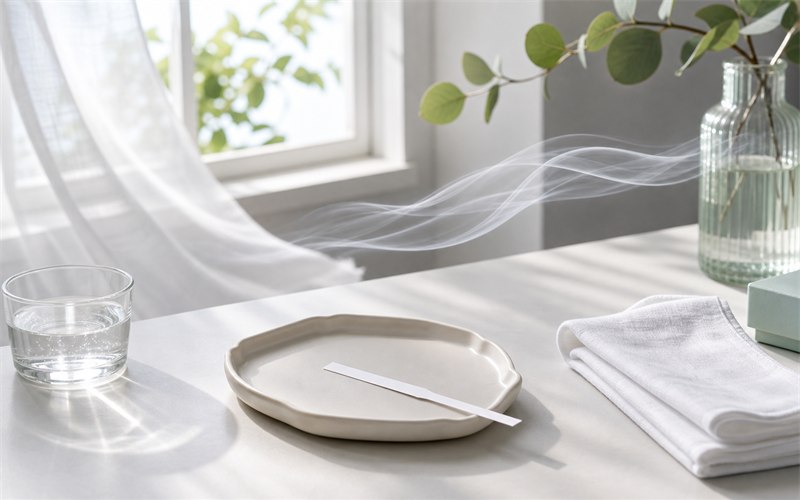
When a Beautiful Scent Feels Physically Uncomfortable
Perfume is meant to be pleasurable, yet some people experience headaches, nausea, throat irritation, watery eyes, dizziness, or skin discomfort around fragrance. The reaction may come from the scent intensity, the surrounding air, personal sensitivity, or a true allergy.
This does not mean every perfume is unsafe for everyone. It means fragrance is a complex mixture of volatile materials, and each person has a different sensory threshold.
If perfume regularly triggers strong symptoms, treat that signal seriously. Reducing exposure, improving ventilation, choosing gentler formats, and speaking with a clinician for persistent or severe reactions are all sensible steps.
Common Reasons Perfume Can Trigger a Headache
A headache can be triggered by smell intensity itself, especially in small rooms, cars, elevators, offices, or poorly ventilated stores. Strong projection gives the nose and nervous system less room to adapt.
Some fragrance families are more likely to feel heavy for sensitive wearers: dense white florals, sharp aldehydes, smoky notes, sugary gourmands, powerful musks, high-impact ambers, strong oud accords, and certain solvent-like openings.
Alcohol evaporation can also feel sharp during the first minute after spraying. For most users this flash passes quickly, yet sensitive people may notice it more.
Sensitivity, Allergy, and Irritation Are Different
Fragrance sensitivity is a broad everyday term. It may describe headache, nausea, respiratory discomfort, or a strong dislike of certain smells. An allergy usually refers to an immune reaction, often shown as allergic contact dermatitis after skin exposure.
Irritation is different again. A material can sting, dry, or bother skin without being a true allergy. This distinction matters because the right response may be avoidance, patch testing, lower dosage, a different format, or medical advice.
For skin reactions, dermatologists often use patch testing to identify specific fragrance allergens. For migraine, asthma, or repeated respiratory symptoms, the evaluation may follow a different path.
Notes and Materials That Often Feel Intense
No single note causes headaches for everyone. Still, some profiles are more commonly described as overwhelming when overdosed or worn in tight spaces.
The issue is usually concentration, diffusion, and personal threshold rather than the marketing name of the note.
| Profile | Why it can feel intense | Gentler direction to try |
|---|---|---|
| White florals | Creamy, indolic, and room-filling facets can feel dense. | Transparent florals, tea florals, soft musks. |
| Aldehydic sparkle | Sharp lift can feel metallic or fizzy to some noses. | Soft citrus, clean musk, airy woods. |
| Sweet gourmands | Vanilla, caramel, and sugar effects can feel heavy indoors. | Dry vanilla, tonka woods, sheer amber. |
| Smoke and oud | Dark phenolic or leathery effects can dominate small spaces. | Incense woods, vetiver, dry cedar. |
| Powerful musks | Long-lasting diffusion can create sensory fatigue. | Skin musks, cotton musks, low-dosage musks. |
Indoor Air and Dosage Matter
Fragrance materials are volatile by design. They move from the product into the air so the scent can be perceived. In a small or poorly ventilated space, that airborne concentration can build up.
Public health agencies discuss volatile organic compounds in many indoor products, including personal care items, because exposure depends on the product, amount used, ventilation, and time spent in the space.
A perfume that feels elegant outdoors may become oppressive in a car. One spray in the morning can feel pleasant, while repeated refresh sprays every hour can overload the room.
How to Wear Fragrance More Comfortably
Start with fewer sprays than you think you need. Apply perfume below the collarbone or on clothing away from the face rather than directly under the nose.
Let the alcohol flash settle before entering a shared space. Avoid spraying in elevators, cars, meeting rooms, clinics, or around people who have already mentioned fragrance sensitivity.
If you are the sensitive wearer, test perfumes on blotter first, then on fabric, then on a small skin area on a low-stress day. Keep notes about which fragrance families cause discomfort.
How Brands Can Design for Sensitive Buyers
Brands do not need to abandon fragrance to serve sensitive customers. They can offer lower-projection options, hair and fabric mists, lighter body sprays, unscented companion products, and clear guidance on how much to use.
Product teams should request IFRA documentation, allergen declarations, stability guidance, and market-specific labelling support. In the EU, expanded fragrance allergen labelling under Regulation (EU) 2023/1545 is especially relevant for cosmetic products.
Claims should stay careful. A fragrance can be designed to be soft, low projection, allergen-conscious, or suitable for a specific product type. It should not promise to be headache-proof for every person.
When to Stop Using a Perfume
Stop using a perfume if it repeatedly causes headaches, wheezing, rash, burning, nausea, or eye and throat irritation. Wash skin with mild soap and water if a reaction begins after direct application.
Seek medical advice for severe symptoms, asthma-like breathing problems, swelling, spreading rash, or headaches that are unusual for you. Fragrance advice should never replace medical care.
For everyday comfort, choose scents with softer projection, avoid overspraying, store products correctly, and give your nose fragrance-free breaks.
Where Scentake Helps
Scentake helps fragrance brands develop scents with clear performance targets and appropriate documentation. We can support softer fragrance directions, product-format adaptation, supplier communication, and sample refinement for markets where comfort and transparency matter.
If you are building a fragrance line for daily wear, body care, home fragrance, or sensitive-use positioning, contact Scentake with your product base, target market, and desired scent profile.