
Oil-Based Perfume vs Alcohol-Based Perfume: Longevity, Projection and Best Use Cases
The Base Changes How a Perfume Behaves
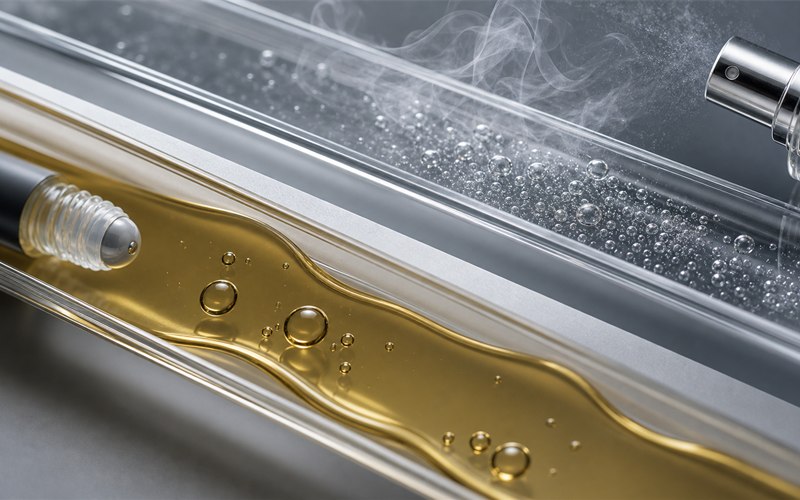
Oil-based perfume and alcohol-based perfume can use similar fragrance ideas, yet they wear very differently. The carrier changes evaporation speed, projection, skin feel, packaging, and customer expectations.
Alcohol sprays usually feel brighter and more diffusive. Oil perfumes usually feel closer to the skin, smoother, and longer on the application point.
Neither format is automatically better. The right choice depends on the product story, market, climate, price tier, packaging, and how the customer is expected to use the scent.
Side-by-Side Comparison
The simplest way to compare the formats is to separate wear experience from manufacturing needs. A beautiful product has to smell good, feel good, stay stable, and work in its package.
| Factor | Oil-based perfume | Alcohol-based perfume |
|---|---|---|
| Projection | Usually softer and closer to skin. | Usually stronger initial diffusion. |
| Longevity | Can last well on the application point. | Depends heavily on formula, concentration, and base notes. |
| Opening | Smoother, slower, less sparkling. | Brighter, faster, more immediate. |
| Skin feel | Can feel nourishing or oily depending on carrier. | Light, quick-drying, sometimes sharp at first spray. |
| Packaging | Rollerball, dropper, dabber, small bottle. | Spray pump, atomizer, travel spray. |
| Best use | Personal scent, attar style, pulse-point wear. | Fine fragrance, body spray, roomier scent trail. |
Why Alcohol Sprays Project More
Alcohol evaporates quickly. As it lifts from the skin, it carries volatile fragrance materials into the air, creating a noticeable opening and a wider scent bubble.
This makes alcohol-based perfume ideal for classic fine fragrance formats such as EDT, EDP, parfum spray, body mist, and many lifestyle fragrance products.
The tradeoff is that the opening can feel sharp for sensitive wearers, and very fresh top notes may fade quickly unless the formula has a strong heart and base.
Why Oil Perfumes Feel More Intimate
Oil slows evaporation. The fragrance releases more gradually and stays closer to the application area. This can make the scent feel smooth, warm, and personal.
Oil perfumes are popular for attar-inspired products, rollerballs, travel formats, layering oils, and markets where alcohol-free positioning is valued.
The limitation is projection. A beautiful oil perfume may last on the wrist for many hours while staying almost invisible across the room.
Longevity: The Answer Is More Nuanced Than the Base
Oil can hold fragrance on skin, yet longevity still depends on the formula. Light citrus, watery, and green materials may fade quickly even in oil. Musks, woods, amber, resins, vanilla, and patchouli tend to stay longer in many formats.
Alcohol perfume can also last all day when the formula has a strong drydown. Many long-lasting EDPs and extraits are alcohol-based.
For buyers, the practical test is skin, fabric, and blotter over time. For brands, it is final-base testing under real storage and use conditions.
Stability, Safety, and Packaging
Oil and alcohol bases create different technical questions. Oil perfumes need carrier selection, oxidation control, viscosity management, rollerball compatibility, leakage testing, and skin-feel evaluation.
Alcohol sprays need pump compatibility, flammability handling, evaporation control, maceration behavior, regulatory documentation, and packaging that protects the formula.
Both formats require fragrance safety review. IFRA category, allergen declarations, SDS where applicable, and market labelling should be handled before launch.
Best Use Cases for Oil-Based Perfume
Oil-based perfume works well when the desired experience is close, tactile, and personal. It suits pulse-point rituals, travel products, alcohol-free ranges, layering systems, and concentrated scents with warm base notes.
It is also useful in markets that appreciate attar-like formats or compact products that fit easily into a bag.
The product should be tested for staining risk, cap leakage, rollerball flow, oxidation, and how the carrier feels after several hours.
Best Use Cases for Alcohol-Based Perfume
Alcohol-based perfume is the classic choice for expressive spray fragrance. It suits fine fragrance launches, body mist, fashion fragrance, fresh citrus, aromatic, floral, woody, and amber styles that need lift.
Sprays are easier for customers to apply evenly across larger areas. They also create a more familiar retail testing experience.
The formula should be tested for clarity, color shift, pump performance, maceration, stability, and how the scent develops from opening to drydown.
Choosing the Format for a Private-Label Line
A private-label brand should choose the base after defining the customer moment. Is this a daily office scent, a luxury evening spray, a pocket rollerball, a body-care extension, or an alcohol-free ritual product?
Price also matters. Oil carriers, fragrance dosage, packaging, filling speed, leakage control, and shipping requirements can change the commercial picture.
A strong launch may include both formats: an alcohol spray for projection and an oil rollerball for intimate touch-up or travel use.
Where Scentake Helps
Scentake helps brands compare oil-based and alcohol-based fragrance options across scent direction, dosage, performance, packaging, documentation, and market fit. We can support sample rounds and formula adjustment for the chosen base.
If you are planning a spray perfume, perfume oil, rollerball, body mist, or private-label fragrance set, contact Scentake with your format, target price, market, and desired performance.