
Natural vs Synthetic Fragrance: Which Is Safer, Longer-Lasting and More Sustainable?
Natural and Synthetic Are Sourcing Terms, Not Quality Scores
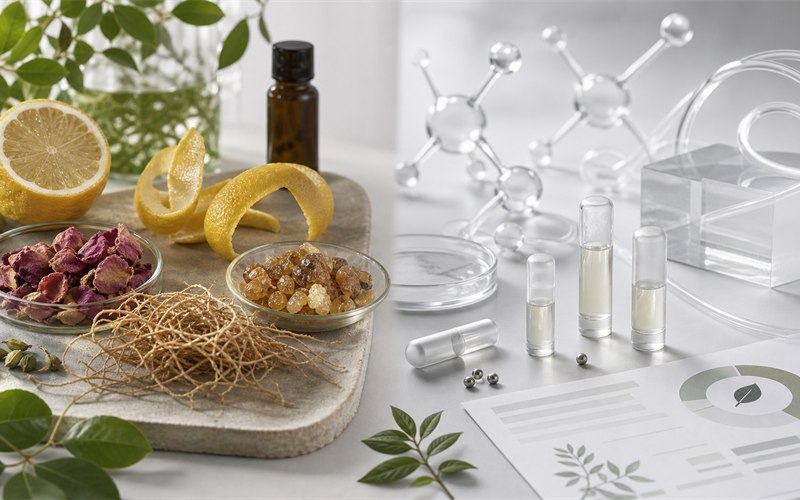
Natural fragrance materials come from plants, resins, flowers, woods, citrus peels, spices, or other natural sources. Synthetic fragrance materials are made through chemical synthesis, biotechnology, isolation, reconstruction, or other controlled processes.
Both can be beautiful. Both can be safe when used correctly. Both can cause problems when poorly chosen, overdosed, mislabeled, or used without proper documentation.
The useful question is not which side is morally superior. The useful question is which material profile fits the product, market, safety limits, sustainability goals, price, and scent direction.
A Practical Comparison
Consumers often hear natural and assume safer. Product developers know the picture is more detailed. Safety depends on the ingredient, dose, product category, exposure route, and regulatory market.
| Factor | Natural fragrance | Synthetic fragrance |
|---|---|---|
| Safety | Can contain allergens and variable components. | Can be tightly specified and safety-tested by ingredient. |
| Longevity | Some last well, many fresh naturals fade fast. | Many long-lasting musks, ambers, and woods are synthetic. |
| Consistency | Varies by harvest, origin, weather, and processing. | Usually more consistent batch to batch. |
| Sustainability | Can support agriculture, yet may require land, water, and harvest pressure. | Can reduce pressure on rare materials, yet depends on feedstock and process impact. |
| Cost | Often higher and more variable. | Often more scalable and predictable. |
| Marketing | Strong natural story. | Strong performance, consistency, and innovation story. |
Which Is Safer?
Safety is determined by hazard, exposure, concentration, product type, and user population. A natural essential oil can contain allergens. A synthetic aroma chemical can have clear purity specifications and safe-use limits.
Professional fragrance safety relies on documentation such as IFRA compliance, allergen declarations, SDS where relevant, and market-specific labelling. The EU’s expanded fragrance allergen labelling rules also make transparency more important for cosmetic brands.
For sensitive users, natural does not automatically mean gentle. Patch testing and careful use are still important when a person has a history of skin reactions, migraine, asthma, or fragrance sensitivity.
Which Lasts Longer?
Longevity depends on volatility and substantivity. Many natural citrus oils are bright and beautiful, yet short-lived. Some natural base materials such as patchouli, vetiver, labdanum, benzoin, and sandalwood can last well.
Synthetic materials can be designed or selected for diffusion, tenacity, transparency, and stability. Modern musks, amber woods, woody ambers, ionones, and certain captive-style effects can extend a fragrance dramatically.
Most commercial perfumes use a blend. Naturals bring richness and recognizable texture, while synthetics can provide structure, lift, cleanliness, and long-lasting drydown.
Which Is More Sustainable?
Sustainability has no simple winner. A natural material may support farming communities and renewable agriculture, yet it may also require large amounts of plant matter, water, land, transport, and careful biodiversity management.
A synthetic material may reduce pressure on endangered or overharvested natural sources, improve batch consistency, and lower waste. Its environmental profile still depends on feedstock, energy, emissions, solvents, yield, and manufacturing controls.
A serious sustainability claim should look at traceability, certification where relevant, supplier ethics, manufacturing footprint, biodegradability where applicable, and realistic product dosage.
Consistency and Scale Matter for Brands
Natural materials can vary from harvest to harvest. This can be charming in artisanal perfumery, yet challenging for a brand that needs the same scent across thousands of bottles, lotions, candles, or diffusers.
Synthetic materials help maintain consistency, cost control, color stability, and supply reliability. They also allow perfumers to recreate effects that would be restricted, expensive, unstable, or ethically difficult in natural form.
For private-label buyers, consistency is not a small detail. It affects repeat orders, customer reviews, stability testing, and whether the next batch smells like the approved sample.
When Natural Materials Shine
Natural materials shine when the product needs botanical richness, provenance, emotional storytelling, and the textured complexity of real plants or resins.
Rose, jasmine, neroli, vetiver, patchouli, citrus oils, spices, resins, and woods can give a fragrance depth that consumers recognize quickly.
They work especially well when the brand can support the sourcing story with honest documentation, realistic pricing, and careful allergen communication.
When Synthetic Materials Shine
Synthetic materials shine when the product needs clean diffusion, precise performance, modern musks, transparent woods, stable citrus effects, allergen-conscious formulation, or a note that nature cannot supply at scale.
They can also protect natural resources by replacing materials that are scarce, restricted, animal-derived, or inconsistent.
In many modern formulas, synthetics are the quiet architecture that lets the natural highlights feel polished and wearable.
Best Practice: Build a Balanced Formula
The best choice is often a balanced formula rather than an ideological extreme. A perfume can use naturals for signature character and synthetics for safety control, consistency, diffusion, and longevity.
Brands should decide which claims matter: natural origin percentage, vegan positioning, allergen-conscious design, long-lasting performance, clean scent profile, sustainability documentation, or price accessibility.
The fragrance supplier should then translate that claim into a realistic formula brief, sample pathway, compliance file, and cost structure.
Where Scentake Helps
Scentake helps fragrance brands choose natural, synthetic, or hybrid fragrance directions based on product format, target market, performance, documentation, and price. We can support supplier communication, sample evaluation, and private-label fragrance development.
If you are developing a natural-positioned, synthetic-forward, or balanced modern fragrance line, contact Scentake with your product category, claim strategy, and preferred scent direction.