
Ambergris in Perfumery: History, Rarity, and the Mystery of the Sperm Whale’s Treasure
A Material Surrounded by Myth and Regulation
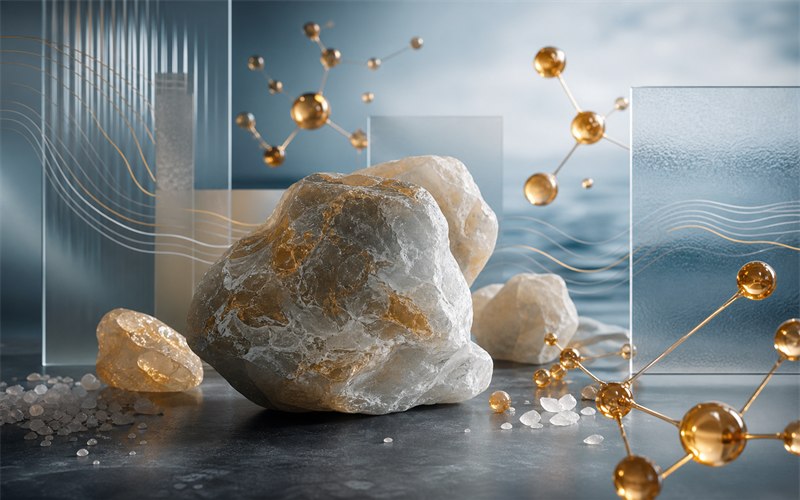
Ambergris is one of the strangest materials in perfume history. It begins as a waxy substance associated with the digestive system of the sperm whale, then can float at sea for years before washing ashore. Time, saltwater, sun, and oxidation transform it from an animalic mass into a material prized for marine, musky, sweet, tobacco-like, and mineral warmth.
That story explains the fascination. It also explains the risk. Sperm whales are protected in many jurisdictions, and trade in whale-related materials can trigger serious wildlife, import, export, and documentation issues. A modern fragrance brand should treat ambergris as a legal and ethical subject before treating it as a romantic ingredient.
For most commercial projects, the practical route is an ambergris accord or an ambroxide material such as Ambroxan. These options can capture the elegant salty-amber effect without depending on rare animal-origin finds.
What Ambergris Smells Like
Real aged ambergris is difficult to describe because it is subtle and layered. It can smell dry, salty, musky, sweet, marine, tobacco-like, leathery, woody, and slightly animalic. Its beauty is often in the way it changes the whole perfume rather than shouting as a recognizable top note.
Perfumers value the ambergris effect because it gives radiance and persistence. It can make citrus feel more expensive, florals feel more sensual, woods feel smoother, and amber bases feel more alive. It has a skin-like quality that makes a fragrance seem to breathe.
This is why ambergris became legendary in fine fragrance. It is less about a single smell and more about aura, texture, and the polished trail left behind after the brighter notes fade.
A Short History of Floating Gold
Ambergris has appeared in perfume, medicine, food, and luxury trade for centuries. Historical perfumers prized it because tiny amounts could add diffusion, fixation, and sensual warmth. It was also rare, difficult to authenticate, and surrounded by stories of ocean treasure.
During the age of whaling, sperm whales were hunted for oil and other materials, and ambergris gained commercial value inside a much larger and damaging industry. Modern conservation changed the conversation. Today, the story of ambergris cannot be separated from marine mammal protection and the decline caused by historic exploitation.
A responsible brand can still learn from the olfactory idea of ambergris: a soft salty amber, a musky mineral base, a warm skin effect, and a persistent drydown. The lesson is creative structure, not dependence on wildlife material.
Legal Reality: Country Rules Are Different
Ambergris law is complicated. Some sources describe naturally excreted ambergris as outside certain CITES controls, yet national laws may still restrict possession, sale, import, export, or commercial use because sperm whales are protected species. The United States is commonly treated as a high-risk or prohibited market under marine mammal protection rules. India has strict wildlife restrictions. Other countries may allow found ambergris under specific conditions.
This difference matters for fragrance trade. A material that can be sold in one jurisdiction may create a problem when shipped, formulated, labeled, or sold elsewhere. Even a small sample can raise questions if documentation is weak.
For international brands, the safest commercial recommendation is simple: avoid real ambergris unless qualified legal counsel and wildlife authorities confirm the exact route. Use a modern ambergris accord for routine product development.
Ambroxan and Modern Ambergris Accords
Ambroxide, widely known in perfumery through names such as Ambroxan, is one of the key materials used to create an ambergris-like effect. It is woody, ambery, musky, slightly salty, and very persistent. It can be produced from plant-derived precursors such as sclareol from clary sage, and modern biotechnology has also explored more efficient routes to related materials.
A perfumer may combine ambroxide with musks, labdanum, cedar, mineral notes, sea-salt effects, tobacco nuances, and soft woods to build a more natural ambergris impression. This gives the brand better control over cost, legality, consistency, and performance.
For consumers, the result can still feel luxurious. Many contemporary fragrances use ambergris-style materials to create a clean skin aura, a marine amber base, or a long-lasting woody trail.
How Ambergris Effects Are Used in Formula Design
In citrus fragrances, ambergris effects keep the freshness from becoming thin. In marine scents, they add depth beneath salt and mineral notes. In woody amber perfumes, they improve diffusion and create a smooth, expensive drydown. In floral musks, they add warmth that feels close to skin.
The dosage depends on the product. Fine fragrance can use a strong ambergris-style base for signature trail. Body care may need a softer effect so the scent feels clean and comfortable. Candles and diffusers need materials that perform well in wax or solvent systems.
A good ambergris accord should feel textured rather than loud. If it smells harsh, metallic, or overly synthetic, the formula may need softer musks, balsamic materials, or woody support.
Authentication, Fraud, and Sourcing Risk
Real ambergris is rare, and rarity attracts fraud. Reported seizures and market stories often involve material that later turns out to be fake, poor quality, or chemically adulterated. Social media trading adds more risk because buyers may see dramatic claims without reliable lab analysis or legal documentation.
Commercial fragrance teams should avoid casual ambergris purchases. Authenticity testing, legal proof, import/export compliance, and traceability all matter. Even then, the brand must decide whether the story aligns with consumer expectations around animal-origin materials.
For most product lines, the reputational and legal risk outweighs the romance. An original ambergris-inspired accord can be safer, cleaner, and more scalable.
A Practical Brand Checklist
Decide whether the desired effect is salty amber, skin musk, marine mineral, tobacco amber, or woody radiance.
Use ambroxide and supporting accord materials for mainstream commercial launches.
Avoid buying real ambergris across borders unless legal status and documentation are confirmed by qualified experts.
Request IFRA documentation, allergen information, SDS where relevant, and stability data for the actual fragrance compound.
Test the ambergris effect in the final base because alcohol perfume, body lotion, candle wax, and diffuser oil reveal different facets.
How Scentake Builds Responsible Ambergris-Inspired Scents
Scentake helps fragrance brands and private-label teams create ambergris-inspired effects through modern, scalable fragrance design. That may mean a clean Ambroxan-style skin scent, a salty marine amber, a smoky tobacco amber, or a refined woody musk base for fine fragrance and personal care.
If you want the mystery of ambergris with practical production, documentation, and market readiness, contact Scentake with your target product format and scent direction.