

Can perfume be called fragrance & Is fragrance a scent or smell?
Perfume, fragrance, scent, smell.
These words circulate freely in everyday conversation, advertising copy, and product labels, often treated as interchangeable. Yet they are not synonymous. Each carries its own semantic weight, cultural implication, and technical meaning.
The confusion arises partly from habit and partly from marketing convenience. Over time, casual usage has blurred precise definitions. Language, however, shapes perception. In perfumery, terminology influences how products are valued, how quality is perceived, and how consumers emotionally connect with what they wear. Understanding these distinctions brings clarity to an industry built on invisible yet powerful sensations.
What Is Perfume?
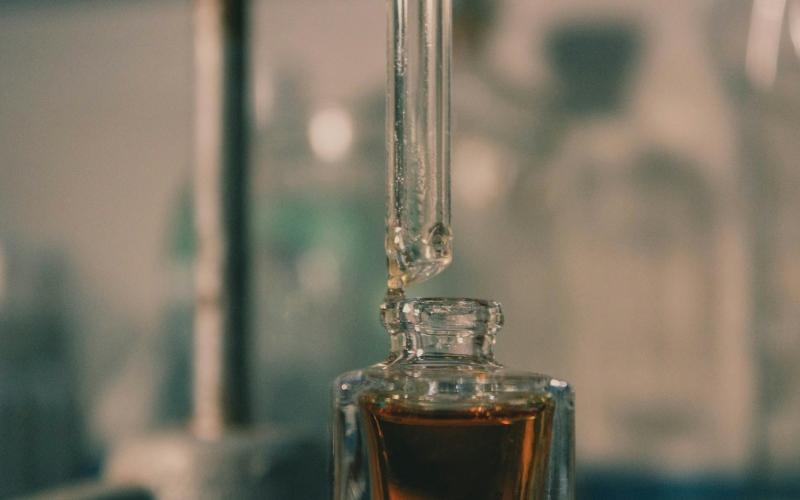
The word perfume traces back to the Latin per fumum, meaning through smoke. Early perfumes were aromatic resins and woods burned in rituals, long before liquid bottles existed. Over centuries, the concept evolved into a refined, wearable product.
Perfume today is a deliberately engineered composition. It is not merely an odor but a structured formula consisting of aromatic compounds, solvents, and fixatives. Precision matters. Concentration defines strength. Composition defines character. Intended use defines context.
Unlike scented soaps or candles, perfume is designed to interact with skin chemistry and unfold over time. It has a narrative arc. This temporal evolution is what distinguishes perfume from most other scented products.
Can Perfume Be Called Fragrance?
In industry terminology, fragrance functions as an umbrella term. It encompasses perfume, cologne, body mist, scented cosmetics, and even household aromas. From this perspective, perfume is a subset of fragrance.
Brands often favor the word fragrance because it feels inclusive and refined. It avoids technical specificity while retaining aspirational appeal. In marketing, fragrance sounds expansive. Perfume sounds exact.
Technically speaking, calling perfume a fragrance is correct in broad contexts. Calling all fragrances perfume is not. The distinction becomes important in formulation, regulation, and professional discourse, where precision outweighs poetry.
What Does Fragrance Actually Mean?
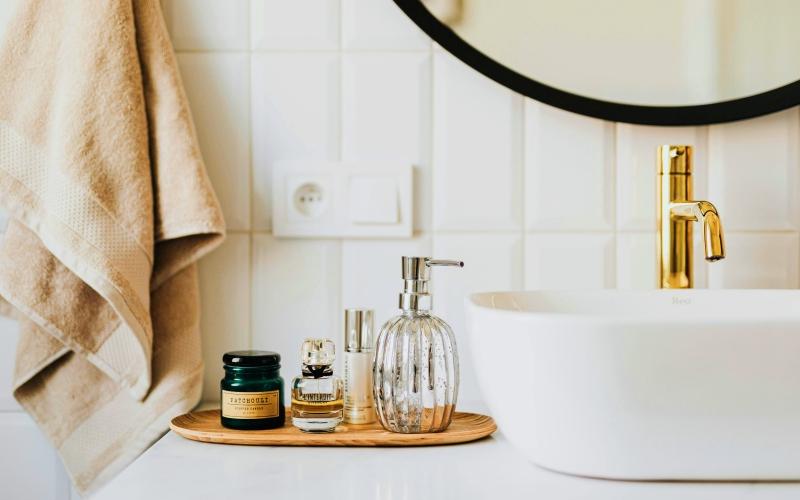
Fragrance is not a single product. It is a category.
It refers to any intentionally added aromatic composition designed to impart a pleasant smell.
Fragrances can be natural, derived from botanical or animal sources, or synthetic, created through chemical synthesis. Most modern fragrances are a hybrid of both, balancing stability, safety, and creative flexibility.
Beyond fine perfumery, fragrance permeates cosmetics, detergents, skincare, and home products. In regulatory language, fragrance often appears as a collective term rather than a disclosed formula, reflecting both its complexity and its proprietary nature.
Is Fragrance a Scent or a Smell? Breaking Down the Difference
Smell is a physiological process.
It is the detection of airborne molecules by olfactory receptors.
Scent, by contrast, carries intentionality. It implies selection, refinement, and often aesthetic judgment. Fragrance exists firmly in this latter realm. It is smell shaped by design.
Fragrance is not accidental. It is constructed. Notes are chosen. Ratios are calibrated. Effects are anticipated. This deliberate craftsmanship is why scent is associated with artistry, while smell remains a neutral scientific term.
The Psychology and Science Behind Smell and Scent

The human olfactory system is neurologically intimate. Odor molecules bypass rational filters and connect directly to memory and emotion. This is why a single aroma can resurrect distant experiences with startling clarity.
Fragrance feels refined because it is curated. It transforms raw olfactory stimuli into emotionally resonant compositions. Cultural conditioning reinforces this distinction. Certain scents signal luxury, comfort, or identity, while others remain purely functional or environmental.
In this way, fragrance becomes more than perception. It becomes meaning.
How the Perfume Industry Uses These Terms
Marketing language prioritizes emotion over taxonomy. Fragrance sounds elegant. Smell sounds clinical. The choice is deliberate.
Packaging favors phrases like signature fragrance, iconic fragrance, or luxury fragrance blend. Ingredient lists rely on legally accepted terminology. Advertising blurs lines to maintain allure.
These linguistic choices influence purchasing behavior. Words guide expectation. Expectation shapes experience. The language of perfume is as strategic as the formula itself.
Common Misconceptions About Perfume, Fragrance, and Smell
All perfumes are fragrances, but not all fragrances qualify as perfume. This distinction is frequently misunderstood.
Another common misconception equates fragrance with artificiality. In reality, fragrance can be natural, synthetic, or a complex fusion of both. Conversely, smell is often unfairly perceived as negative, despite being a neutral sensory function.
When terminology is misused, consumers struggle to make informed decisions. Clarity dissolves. Confidence erodes.
Legal and Regulatory Meanings of Fragrance
In ingredient lists, fragrance is often listed as a single term. This is not vagueness by accident. It is a legal allowance designed to protect proprietary formulas.
International regulations differ, but most recognize fragrance as a trade secret category. Certain allergens must be disclosed, yet the full composition often remains confidential.
This legal framework underscores how fragrance is treated not just as sensation, but as intellectual property.
How to Use Perfume and Fragrance Terms Correctly
In everyday conversation, flexibility is acceptable. In professional or informed contexts, precision enhances credibility.
Perfume refers to a specific product type. Fragrance refers to a broader category. Scent describes the perceived character. Smell describes the biological act.
Reading product descriptions becomes easier with this framework. Communicating preferences becomes clearer. Vocabulary empowers discernment.
Understanding terminology deepens appreciation. It sharpens perception. It transforms passive consumption into informed engagement.
As language evolves, so does the culture of perfume. Yet clarity remains timeless. Using the right words brings coherence to an experience that is otherwise ephemeral.
Scent may be invisible, but language gives it form.