

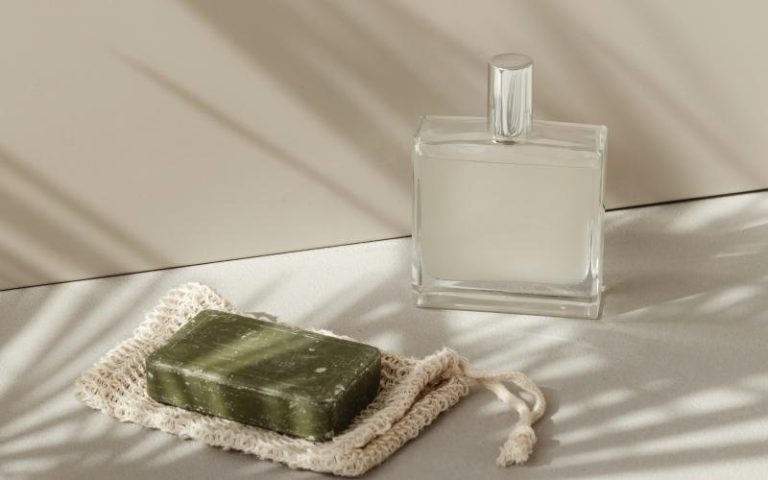
Can perfume be called fragrance & Is fragrance a scent or smell?
Perfume, fragrance, scent, smell.These words circulate freely in everyday conversation, advertising copy, and product labels, often treated as interchangeable. Yet they are not synonymous. Each carries its own semantic weight, cultural implication, and technical meaning. The confusion arises partly from habit and partly from marketing convenience. Over time, casual usage has blurred precise definitions. Language, however, shapes perception. In perfumery, terminology influences how products are valued, how quality is perceived, and how consumers emotionally connect with what they wear. Understanding these distinctions brings clarity to an industry built on invisible yet powerful sensations. What Is Perfume? The word perfume traces…
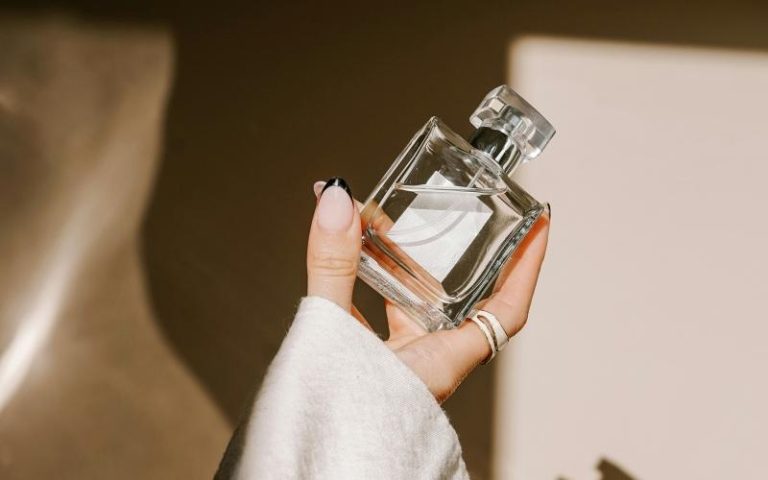
How to choose perfume and where should you apply it?
Understanding Perfume Basics Before You Choose Perfumes are organized into fragrance families that provide a useful starting point. Floral scents emphasize blossoms and softness. Woody fragrances feel grounded and dry. Oriental compositions are rich, warm, and often resinous. Fresh scents lean toward citrus, aquatic, or green notes, while gourmand fragrances evoke edible warmth such as vanilla or caramel. Every perfume unfolds in stages. Top notes appear first and evaporate quickly. Heart notes define the character of the fragrance once it settles. Base notes anchor the scent and determine how long it lasts. Understanding this progression prevents premature judgments. Concentration also matters. Parfum offers depth and longevity. Eau de…
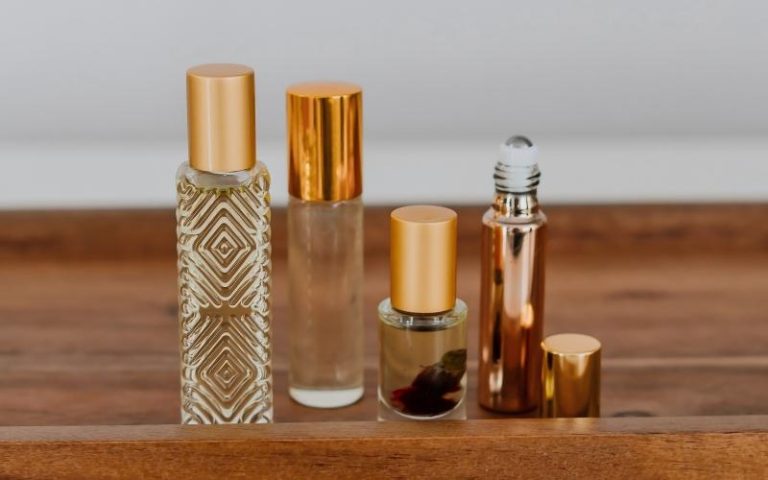
Which is the NO.1 perfume brand & what perfume do celebrities use?
The title of NO.1 can be interpreted in multiple ways. Global sales volume reflects commercial dominance, while brand prestige signals cultural authority. Some brands sell more bottles; others command deeper reverence. Rarely do both align perfectly. Brands such as Chanel, Dior, and Yves Saint Laurent dominate fragrance sales by combining couture credibility with mass-market accessibility. Their perfumes translate runway fantasy into daily ritual. Alongside them, niche brands are ascending rapidly. Once confined to connoisseur circles, houses like Maison Francis Kurkdjian and Byredo now enjoy global recognition. Their appeal lies in distinctiveness and olfactory daring. Designer brands and celebrity-founded labels coexist…
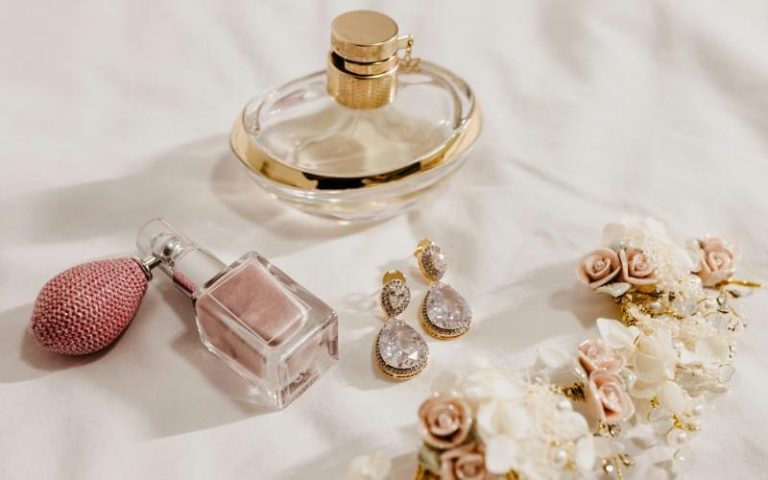
Which perfume sells the most and which perfume smells the best?
Some perfumes transcend trends. Classics like Chanel No.5, Dior Sauvage, and Lancôme La Vie Est Belle continue to dominate sales year after year. Their formulas are instantly recognizable, emotionally charged, and culturally entrenched. Modern blockbusters often rise through virality. Social media platforms and influencer culture can propel a fragrance to cult status within weeks. Visibility fuels curiosity; curiosity fuels sales. These perfumes resonate because they strike a balance between individuality and mass appeal. They smell pleasant on most skin types and perform consistently across climates. Reliability becomes a virtue. Reformulation quietly sustains dominance. Adjustments in ingredients or concentration—often driven by…
How long does a perfume last and what can make it last longer?
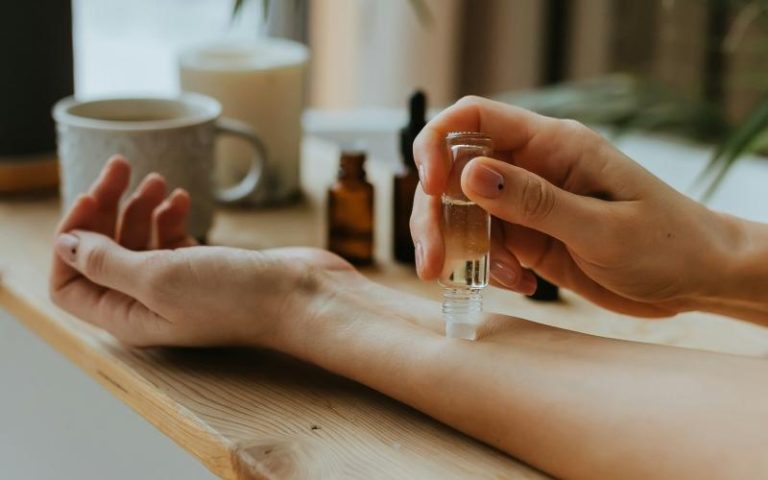
A perfume’s journey begins the instant it touches the skin. The life cycle unfolds in three acts: the top notes—bright and volatile—make the first impression; the heart notes bloom as the perfume warms, revealing its character; the base notes linger last, grounding the fragrance with depth and warmth. This evolution defines the rhythm of perfume longevity. Sillage, projection, and longevity are distinct yet interconnected. Sillage describes the scent trail left behind; projection measures how far the scent radiates from your body; longevity is the total time the perfume remains perceptible. A balanced fragrance achieves harmony among all three. Perfume concentration plays a defining…
What perfume lasts the longest and does it get better with age?
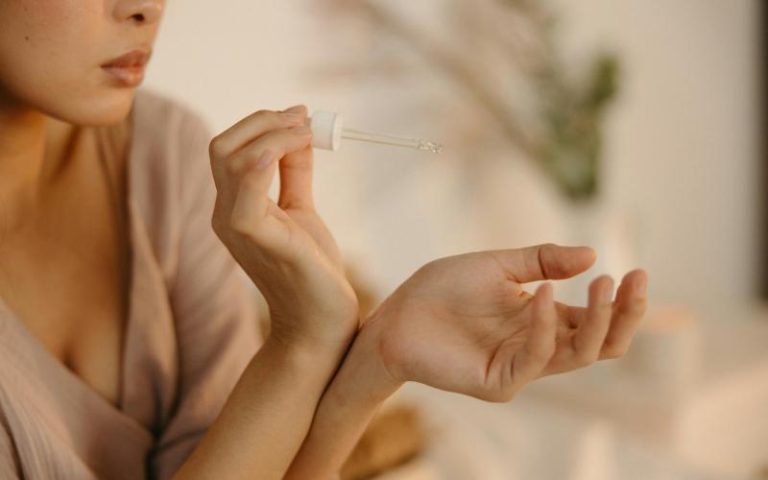
Perfume longevity depends largely on concentration. Parfum, with its high essential oil content—typically 20–30%—offers a dense, lasting scent. Eau de Parfum follows with moderate strength, while Eau de Toilette and Eau de Cologne contain lighter formulations, ideal for short bursts of freshness. Ingredients define endurance. Natural oils such as vetiver, patchouli, and sandalwood tend to cling longer, while synthetic molecules can be engineered for superior stability. Perfumers often blend both worlds—nature for authenticity, science for staying power. Skin chemistry plays a surprising role. Factors like body temperature, hydration, and even diet affect how fragrance molecules interact with your skin. Meanwhile,…