

Everything You Need To Know About Chypre Fragrances
Among the many fragrance families in perfumery, Chypre occupies a distinctive and influential position. It is not defined by a single scent, but by a structural formula—one that has shaped fine fragrance creation for more than a century and continues to inform modern perfumery today.
For fragrance brands, formulators, and buyers, understanding Chypre fragrances is less about nostalgia and more about how classical structures are adapted to meet contemporary market, regulatory, and commercial demands.
What Is a Chypre Fragrance?
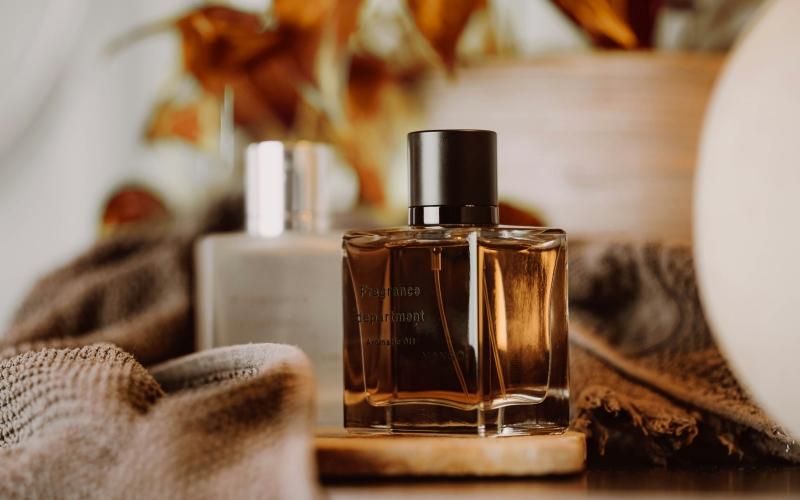
The term Chypre (pronounced sheep-rah) originates from the French word for Cyprus. In perfumery, it refers to a fragrance structure popularized in the early 20th century, traditionally built around a contrast between:
Fresh citrus top notes (often bergamot)
Floral or aromatic heart notes
A dry, mossy, woody base, historically centered on oakmoss
This interplay between brightness and depth gives Chypre fragrances their characteristic elegance, dryness, and complexity.
Unlike linear scent profiles, Chypres evolve noticeably over time—an attribute highly valued in fine fragrance.
The Classic Chypre Structure Explained
At its core, a traditional Chypre formula relies on balance rather than intensity.
Top: Bergamot provides lift and clarity, creating an immediate contrast with the deeper base.
Heart: Florals such as rose, jasmine, or iris introduce refinement and body.
Base: Oakmoss, labdanum, patchouli, and woods anchor the fragrance with dryness and longevity.
This architecture produces a scent that feels structured, confident, and long-lasting, making it historically popular in luxury perfumery.
Chypre Fragrances in the Modern Regulatory Landscape

One of the most significant shifts in Chypre perfumery has come from regulatory changes, particularly restrictions on natural oakmoss due to allergenic concerns.
As a result, modern Chypre fragrances often rely on:
- Low-allergen oakmoss fractions
- Synthetic mossy and woody molecules
- Patchouli, amber, and musky substitutes
Rather than diminishing the Chypre family, these innovations have allowed perfumers to reinterpret the structure while remaining compliant with IFRA standards and global regulations.
Despite changing trends, Chypre fragrances continue to influence modern scent design. Due to its distinctive personality and differentiation, long-lasting fragrance and excellent base notes, it is sophisticated and suitable for unisex and niche fragrances.
Many contemporary fragrances borrow Chypre elements—even when not labeled as such—because the structure delivers depth without heaviness.
This makes Chypre-inspired profiles particularly attractive for brands targeting premium, heritage, or understated luxury positioning.
Applications Beyond Fine Fragrance
While Chypres are rooted in fine perfumery, their influence extends into other scented products:
- Personal care: Adds refinement and perceived quality
- Home fragrance: Creates elegant, non-sweet ambient scents
- Functional fragrance: Enhances long-lasting freshness with character
A well-executed Chypre fragrance is not simply “classic”—it is technically disciplined and strategically designed.
At Scentake, we approach Chypre fragrances as living structures, not museum pieces.
Whether for fine fragrance, personal care, or home scent applications, we help partners translate Chypre principles into market-ready fragrance solutions.
If you are looking for a reliable production partner to bring your fragrance ideas to life, or if you need a high-quality, readily available fragrance that meets market demand. Look no further! We are a professional perfume manufacturer located in Shenzhen, China specializing in both private label OEM/ODM services and ready-stock perfume supply.
Contact Scentake to explore compliant Chypre-inspired fragrances, custom development, or bulk fragrance solutions tailored to your business needs.
Classic structures. Modern execution. Global potential.