
The Floral Family in Perfumery: The Complete Guide to Flowers, from Rose to Rare Blooms
Why Floral Perfumes Never Really Leave Fashion
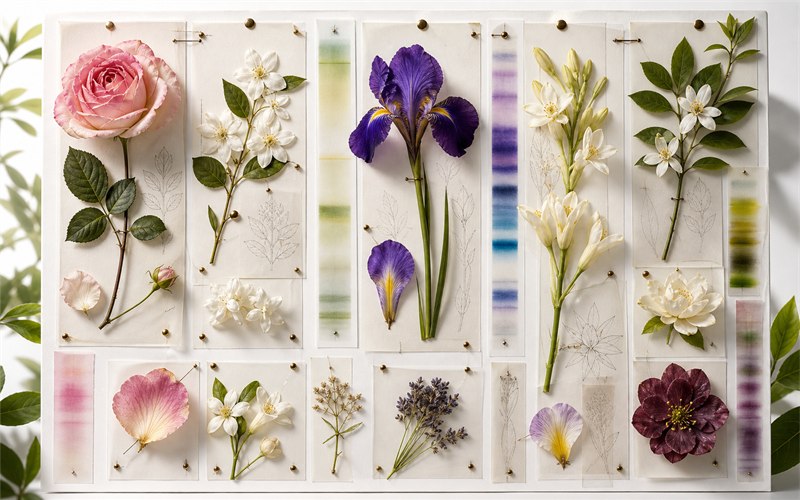
Floral perfume is often described as romantic, but that word is too small for the category. Flowers can smell fresh, creamy, spicy, green, honeyed, powdery, waxy, fruity, animalic, metallic, or almost mineral. This range is why the floral family keeps returning in fine fragrance, personal care, home fragrance, and private-label launches.
A floral scent can be transparent enough for a clean body mist or rich enough for a luxury extrait. It can also act as the emotional center of a formula, giving customers a note they understand immediately while the perfumer builds depth around it.
For brands, floral directions are commercially useful because they are familiar across many markets. The challenge is originality. A successful floral product needs a clear point of view: modern rose, luminous jasmine, creamy white flowers, soft powder, watery petals, green stems, or a rare-bloom fantasy.
Rose: Petal, Spice, Jam, and Skin
Rose is one of perfumery’s most flexible floral materials. Depending on the material and formula, it can smell like fresh petals, red fruit, tea, honey, pepper, wine, soap, or soft skin. Natural rose oil and rose absolute are prized for their complexity, while rose bases and aroma molecules help perfumers improve diffusion, cost, consistency, and stability.
In consumer products, rose can move in several directions. A fresh rose suits body care and hair mist. A jammy rose works well in Middle Eastern-inspired oud or amber fragrances. A powdery rose feels classic in feminine eau de parfum. A spicy rose can make a unisex fragrance feel elegant and less predictable.
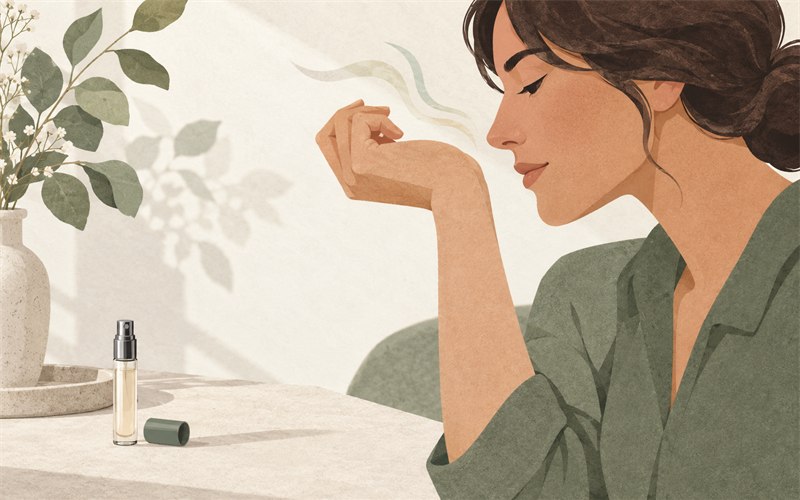
When evaluating rose samples, pay attention to the first fifteen minutes and the late drydown. Some roses open beautifully but become soapy; others begin quietly and become more sensual as musks, woods, and amber materials emerge.
Jasmine and White Flowers: Radiance With Texture
Jasmine is radiant because it combines floral beauty with green, fruity, creamy, and naturally indolic facets. In small amounts, it adds glow. In richer formulas, it can feel narcotic and luxurious. White floral perfumes often combine jasmine with orange blossom, tuberose, gardenia effects, ylang-ylang, or lily-like accords.
Tuberose is especially dramatic. It can smell creamy, tropical, mentholated, buttery, and almost fleshy. Orange blossom is brighter and cleaner, with a link to neroli, citrus peel, honey, and soap. Ylang-ylang brings banana-like creaminess, spice, and solar warmth.
For product development, white florals need careful dosage. They can smell premium and memorable, yet they may overpower lighter formats such as shampoo, body splash, or small-room diffusers if the base is too dense.
Iris, Violet, and Powdered Florals
Iris in perfumery usually refers to an orris effect: cool, powdery, woody, cosmetic, and elegant. True orris materials are costly because the rhizomes need long processing and aging, so many commercial fragrances use refined accords that suggest iris with ionones, musks, woods, and soft floral notes.
Violet can smell sweet, green, powdery, or candy-like depending on its construction. It is useful when a brand wants a nostalgic or cosmetic impression without the heaviness of a full white floral bouquet.
Powdered florals work beautifully in mature, clean, or premium-positioned products. They also pair well with aldehydes, musks, sandalwood, and soft amber notes. The risk is an old-fashioned impression, so modern versions often add pear, tea, mineral musk, or transparent woods.
Rare Blooms and Fantasy Florals
Many flowers do not yield practical essential oils for perfumery. Lily of the valley, gardenia, lilac, freesia, peony, cherry blossom, and many rare blooms are usually recreated through accords. This is where perfumery becomes more interpretive: the scent is built from analysis, memory, and creative structure.
Rare-bloom concepts are excellent for brands because they create storytelling space. Osmanthus can suggest apricot, leather, and tea. Magnolia can feel citrusy, creamy, and airy. Frangipani can feel tropical and solar. Peony can be rosy, watery, and fresh.
The important question is whether the fantasy is believable. A rare floral accord should still have petal texture, lift, and a natural rhythm from top to base. Otherwise it may smell like generic fruit shampoo with a flower name on the label.
Natural Flowers, Reconstitution, and Modern Molecules
Natural floral extracts bring nuance, but they also bring variability, cost pressure, color, solubility considerations, and supply risk. Reconstructed florals and modern aroma molecules give perfumers more control. A realistic rose, jasmine, or gardenia effect may combine natural materials with carefully chosen synthetics.
This is normal professional practice. The customer experiences the finished harmony, while the manufacturer manages performance, safety, repeatability, and price. A formula designed for eau de parfum may need adjustment before it works in lotion, detergent, reed diffuser oil, or alcohol-free mist.
A strong fragrance supplier should explain the reason behind a material choice: natural richness, allergen management, cost target, color stability, diffusion, or regulatory suitability.
Safety and Label Checks for Floral Scents
Floral perfumes often contain naturally occurring fragrance allergens, especially when they use essential oils, absolutes, or complex floral bases. IFRA Standards help guide safe use by product category, and EU cosmetics rules now require broader fragrance allergen labelling under Regulation (EU) 2023/1545. For U.S. cosmetics, FDA guidance says fragrance ingredients must be safe for consumers under labeled or customary use.
This does not make floral perfumes unsafe by default. It means brands should request documentation early: IFRA certificate, allergen declaration, SDS where relevant, and stability guidance for the intended product type.
Consumers with sensitive skin should test floral products cautiously, especially concentrated perfumes, scented oils, and leave-on cosmetics. A soft floral smell can still contain potent aromatic materials.
How to Choose or Develop a Better Floral Perfume
Decide whether the floral should feel fresh, romantic, creamy, powdery, green, fruity, spicy, or luxurious.
Smell the fragrance on skin because florals can shift strongly as musks, woods, and amber notes develop.
Ask whether the key flower is natural, reconstructed, or a blend of both.
Check color and stability if the fragrance will be used in clear bottles, lotion, soap, or candles.
For a product line, build a floral story that matches packaging, season, price point, and target market.
Working With Scentake on Floral Fragrance Projects
Scentake supports fragrance brands and private-label teams that need floral concepts with commercial polish and production discipline. That may mean a natural rose direction, a clean jasmine body-care scent, a rare-bloom fantasy for a gift line, or a balanced floral amber for fine fragrance.
If you want to develop a floral fragrance that smells beautiful, stable, and market-ready, contact Scentake with your target product, price range, and preferred flower direction.