

The Warmth And Texture Of Autumn Fragrances
Autumn fragrances are built around a fundamental shift in sensory priorities. As temperatures drop and the air gains density, scent no longer needs to evaporate quickly or remain weightless. It can linger. It can settle. It can develop texture.
At its core, an autumn fragrance balances warmth with complexity. Comfort becomes essential, but simplicity is not the goal. Instead, fall compositions often emphasize layered structures that unfold gradually, mirroring the slower pace of the season itself. The air is heavier, diffusion is reduced, and this allows richer materials to express themselves without overwhelming the wearer.
This is why autumn scent design moves away from the transparency that defines summer fragrances. Sheer citrus, mineral musks, and vaporous greens give way to more substantial accords. Not heavier for the sake of intensity, but more dimensional. Substance replaces airiness. Texture replaces clarity.
Autumn also functions as an olfactory bridge. It prepares the transition from summer’s lightness to winter’s density. Notes begin to deepen, but they stop short of the darkness and opulence associated with cold weather perfumes. The result is a season of equilibrium, where warmth emerges without excess and depth develops without suffocation.
5 Recommended Autumn Fragrances
1. Tom Ford Tobacco Vanille
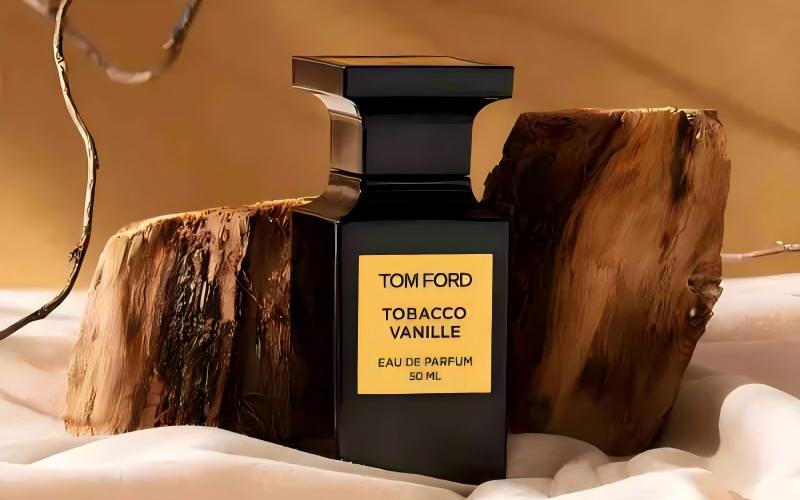
Tobacco Vanille’s core is a blend of tobacco leaf, vanilla, and dried fruit, creating a rich and warm texture. As the autumn air grows cooler, this fragrance contrasts with the environment without feeling heavy.
Warm but not pungent: The roundness of vanilla envelops the depth of tobacco, creating an olfactory thickness like a scarf.
Complex but not cluttered: Layered yet not chaotic, the fragrance gradually deepens from the opening to the base, embodying the “depth rather than a single intensity” mentioned in the article.
Suitable for transitional seasons: This fragrance is neither as intense as winter scents nor as refreshing as lighter ones, making it a perfect example of autumn’s transition from light to profound.
2. Maison Margiela Replica By the Fireplace
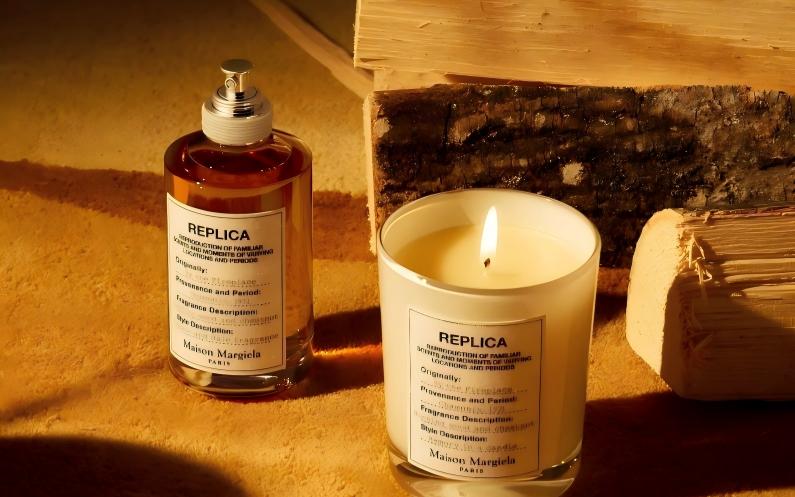
By the Fireplace carries the warmth of burning firewood, along with warm notes of fig and orange peel, perfectly recreating the atmosphere of an autumn night gathered around a fire, possessing great emotional depth.
Strong Texture: The fragrance notes resemble the texture of a sweater, possessing a sense of “space” rather than a thin, superficial scent.
Warmth-Oriented, Not Harsh: Instead of sharp citrus notes creating contrast, the fragrance settles and diffuses, creating a warm atmosphere.
Highly Memorable: The smoky and woody base easily connects with autumnal experiences, embodying the “autumn scent and depth of memory” mentioned in the article.
3. Viktor & Rolf Spicebomb Extreme
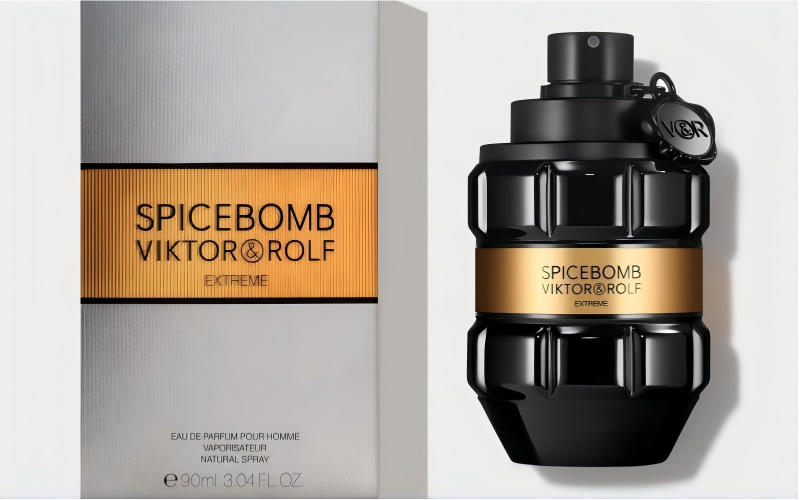
Spicebomb Extreme emphasizes the interplay between warm spices (such as cinnamon, pepper, and cardamom) and tobacco, a scent structure particularly suitable for autumn.
Warm but Not Overly Spicy: The gentle spiciness possesses both clarity and warmth in the cool autumn air.
Moderate Weight: More “bodyful” than summer scents, but not as overwhelming as winter fragrances, demonstrating that “scent structure is more important than tension.”
Distinct Layers: The opening spiciness—the mid-palate sweetness—the base tobacco woodiness perfectly embodies the “slow unfolding, gradually revealing depth” mentioned in the article.
4. Chanel Coco Mademoiselle Intense
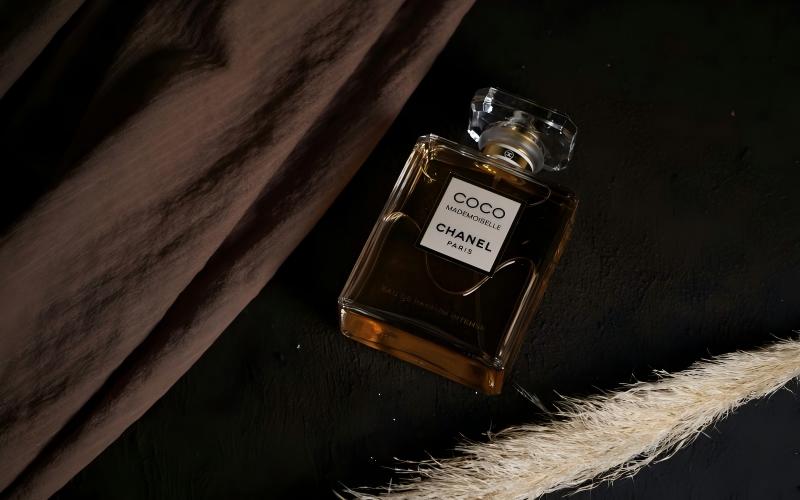
Coco Mademoiselle Intense enhances the original with orange blossom, patchouli, vanilla, and resinous elements, giving the entire fragrance a warmer, more structured feel.
Warm and resilient: Compared to Coco Mademoiselle, Intense doesn’t dissipate as easily in cooler air, allowing it to unfold more harmoniously with the autumn climate.
Clear structure: The floral, oriental, and woody base notes create a progressive logic, adhering to the seasonal fragrance strategy of prioritizing texture and depth.
Composed yet not heavy: The woody oriental notes in the middle and base are more subtle than tropical scents, matching the fragrance needs of autumn’s transition from brightness to tranquility.
5. Yves Saint Laurent Black Opium
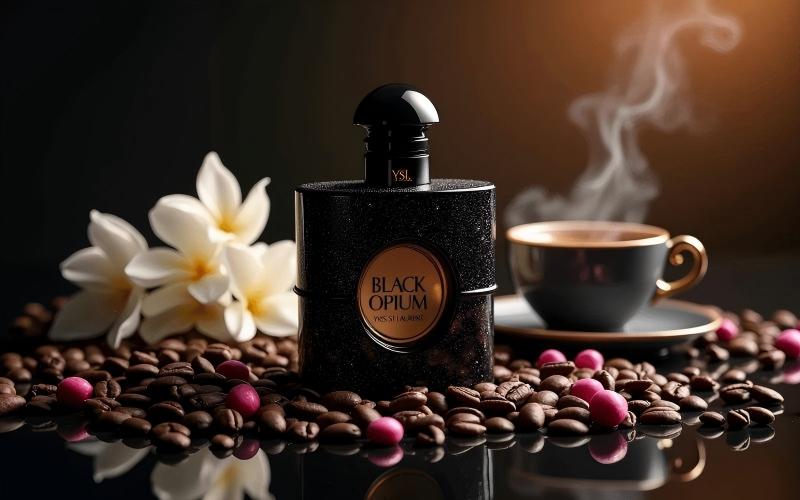
Black Opium, with coffee, vanilla, and white flowers at its core, is sweet but not cloying. When worn in the autumn afternoon or evening, it doesn’t sillage excessively but creates a warm, intimate aura.
Strong Texture: The combination of coffee and vanilla gives the fragrance a deep “touch,” unlike the transparent and pale feel of a fresh perfume.
Vivid Emotional Color: The warmth of black coffee and the softness of vanilla work together to create a sense of warmth reminiscent of an autumn night’s backstage.
Good Balance: It doesn’t overwhelm you from the start, but rather releases its fragrance layers gradually, just like the “steady rather than explosive” nature of autumn fragrances.
Core Olfactory Signatures of Autumn Fragrances
The aromatic palette of autumn is defined by materials that convey warmth while maintaining refinement. Spices play a central role, but they are rarely sharp or aggressive. Cinnamon, cardamom, nutmeg, and clove are often softened, blended into ambered or woody frameworks that feel rounded rather than biting. Their purpose is to radiate warmth, not heat.
Amber, resin, and balsamic notes act as seasonal anchors. Labdanum, benzoin, and subtle incense-like facets provide viscosity and continuity, giving autumn fragrances their characteristic sense of depth. These materials expand slowly on the skin, creating a sustained presence that feels enveloping without becoming dense.
Soft woods contribute structure and dryness. Cedarwood, sandalwood, and cashmere-like woody accords offer a tactile backbone, preventing compositions from tipping into sweetness or heaviness. They introduce a sense of grain and restraint, which is essential for balance.
Fruits and gourmand accents appear differently in autumn than in other seasons. Instead of brightness or sugar-driven sweetness, they are used for richness. Fig, dried fruits, or subtle vanilla nuances add body and warmth, often more suggestive than literal. The goal is fullness, not indulgence.
The Emotional Dimension of Autumn Scents

Autumn fragrances often feel introspective. As daylight shortens and routines slow, scent becomes more personal and inward-facing. Fall perfumes tend to sit closer to the skin, creating a private olfactory space rather than projecting outward. This intimacy is a defining emotional characteristic of the season.
Scent and memory are particularly intertwined during autumn. Warm, textured notes have a heightened ability to trigger recollection, not through sharp recognition, but through atmosphere. Resinous warmth, spiced woods, and soft balsams echo familiar seasonal experiences: cooler evenings, layered clothing, and the quiet transition of landscapes. They do not demand attention. They offer presence.
In this way, autumn scents are less about statement and more about resonance. They reflect the season’s inward turn, providing warmth not just to the skin, but to perception itself.
As fragrance design continues to evolve, seasonal understanding becomes increasingly important for brands seeking relevance and longevity. At Scentake, autumn compositions are approached with a focus on balance, texture, and emotional coherence—fragrances designed to transition seamlessly between seasons while remaining adaptable across markets and climates.
For brands and product developers looking to create autumn fragrances that combine technical precision with sensory depth, Scentake offers collaborative formulation expertise and strategic olfactory insight. Connect with Scentake to develop fragrances that capture the warmth and texture of autumn with clarity and purpose.