

What are the 5 stages of fragrance & how to describe fragrance?
A fragrance is never static. The moment it touches skin, it begins to transform. Heat, moisture, chemistry, and time all collaborate to alter its character, sometimes subtly, sometimes dramatically. This constant evolution explains why a perfume can smell crisp at first and velvety hours later.
Chemistry plays a decisive role. Skin pH, body temperature, and natural oils influence how quickly each stage unfolds. This is why the same fragrance may feel luminous on one person and subdued on another. The stages remain consistent in theory, yet personal in practice.
Stage One: The First Impression or Opening
The opening occurs within seconds of application. It is immediate and unapologetic. Alcohol flashes off, releasing the most volatile aromatic compounds into the air. This moment is often the most attention-grabbing, designed to announce presence.
Common materials in this stage include citrus oils, aldehydes, and airy aromatics. These ingredients deliver brightness and clarity but vanish quickly. The opening can feel sharp, sparkling, or effervescent, sometimes bordering on aggressive. Its role is simple yet critical. It creates attraction, curiosity, and the desire to keep smelling.
Stage Two: Top Notes and Early Development
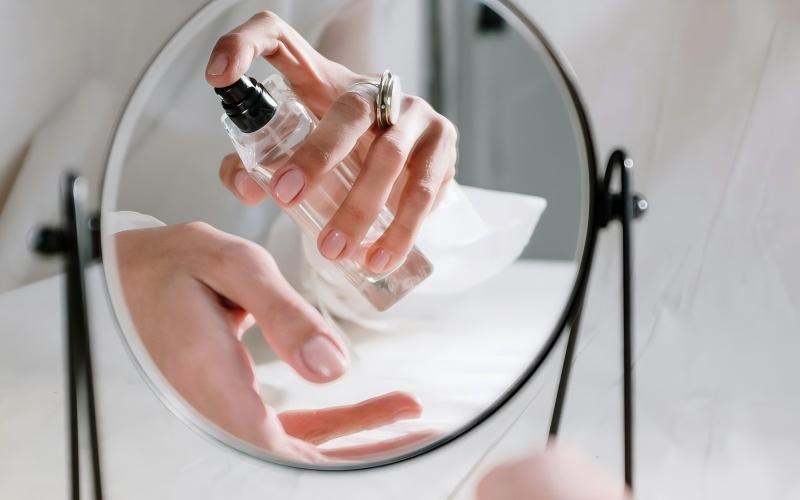
Top notes extend the opening into a more coherent introduction. In perfumery, they are defined as the first layer of structured scent after the initial alcohol evaporation. They remain light, but they are more deliberate.
Citrus peels, green herbs, light fruits, and aromatic leaves dominate this stage. Their volatility keeps the fragrance buoyant while subtly guiding the transition toward the heart. Top notes typically last from a few minutes to half an hour. They are fleeting, yet essential, acting as a bridge rather than a destination.
Stage Three: The Heart or Middle Stage
The heart is the core of the fragrance. It emerges once the top notes recede and reveals the intended character of the composition. This stage lasts longer and feels more stable, often persisting for several hours.
Floral bouquets, spices, and ripe fruits are common here. Rose, jasmine, lavender, cinnamon, and cardamom frequently appear in carefully balanced accords. This is where harmony is established. The fragrance gains personality, emotional tone, and stylistic direction. The heart determines whether a scent feels romantic, austere, playful, or contemplative.
Stage Four: Base Notes and Dry Down

Base notes anchor the fragrance. They are composed of heavier molecules that evaporate slowly and adhere closely to the skin. Woods, resins, musks, amber, and balsamic materials dominate this stage.
These notes interact deeply with skin chemistry, often becoming warmer and more nuanced over time. The base provides depth, persistence, and gravity. It supports everything above it, ensuring the fragrance does not collapse once lighter elements fade. Longevity is largely determined here, as is the fragrance’s final emotional resonance.
Stage Five: The Full Dry Down Experience
The full dry down occurs when all stages merge into a unified scent profile. At this point, the fragrance has settled completely. Sharp edges dissolve. Transitions blur.
What remains is intimate and personal. This stage defines scent identity, as it is what lingers on clothing, skin, and memory. The dry down is often what others remember most, even if they never noticed the opening. Over time, it becomes associated with a person, a place, or a moment, embedding itself into long-term scent memory.
How to Describe Fragrance Accurately
Effective fragrance description moves beyond simple preference. Instead of like or dislike, focus on structure and sensation. Identify scent families such as floral, woody, oriental, or fresh, then refine further.
Texture and temperature are powerful descriptors. A fragrance can feel creamy, powdery, crisp, or smoky. Mood also matters. Calm, sensual, austere, or luminous impressions add depth. Intensity, projection, and longevity provide technical clarity, completing a description that is both emotional and precise.
Common Mistakes When Describing Fragrance
One frequent error is judging too quickly. The opening does not represent the full fragrance. Another is equating strength with quality. Loudness does not guarantee refinement.
Generic terms dilute meaning. Saying a scent is nice communicates little. Ignoring skin chemistry and environment further distorts perception. Temperature, humidity, and personal biology all influence how fragrance behaves and should be considered when forming conclusions.
Fragrance is a dynamic sensory journey. It unfolds in time, shaped by chemistry, artistry, and individuality. Patience reveals its full narrative.
When fragrance is approached with intention, it becomes both art and science, an experience that can be understood, articulated, and deeply enjoyed.