

What Are The Five Best-Selling Perfumes?
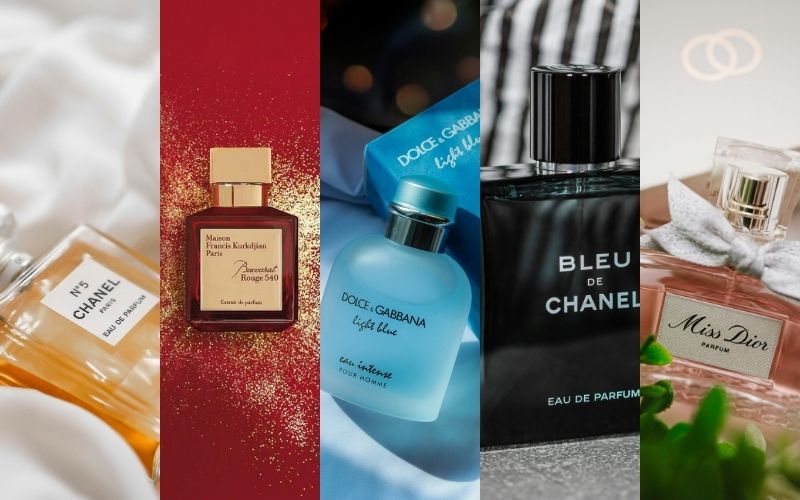
Bleu de Chanel Eau de Parfum
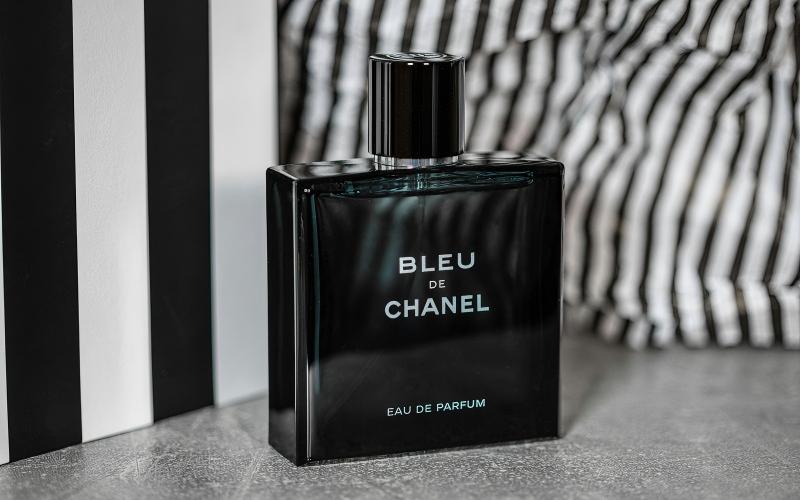
Bleu de Chanel frequently tops revenue charts in fragrance sales, generating over $1.2 billion in global revenue in the first half of 2025 alone according to NPD Group data, reflecting its broad appeal across demographics and occasions.
This woody-citrus fragrance blends bright citrus and spicy ginger with warm sandalwood, positioning it as an enduring versatile mainstream favorite.
Light Blue (Dolce & Gabbana)
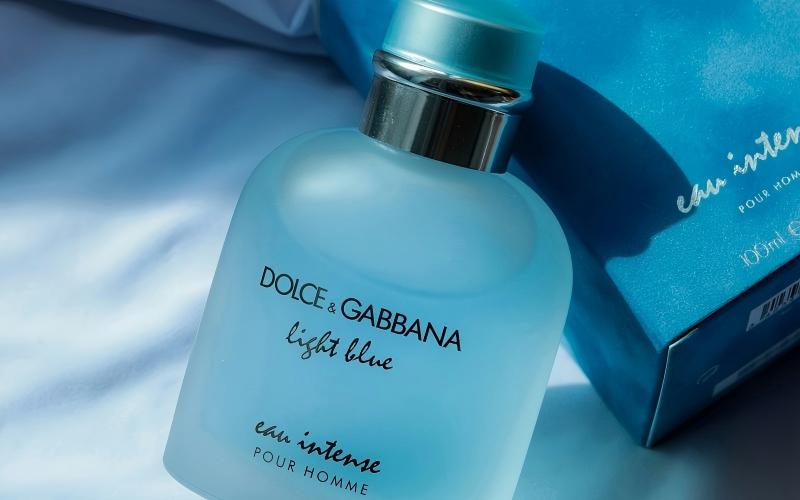
Appearing regularly among top sellers, Light Blue’s bright lemon and jasmine profile resonates with consumers who favor fresh, easy-to-wear compositions.
Its seasonal appeal and accessibility contribute significantly to its ranking in several industry lists.
Miss Dior Eau de Parfum
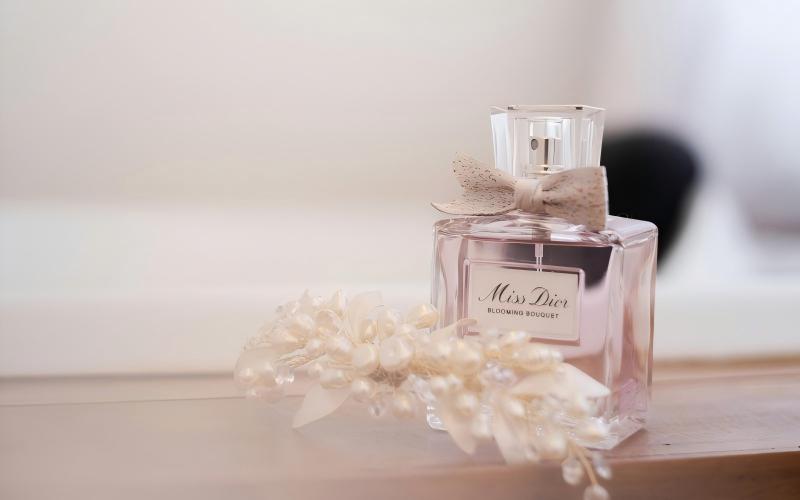
Miss Dior combines peony, rose, and white musk into a floral-oriental blend that appeals to a wide consumer base.
With nearly $700 million in revenue in early 2025, its popularity is driven by balance, classic sophistication, and multi-occasion wearability.
Baccarat Rouge 540
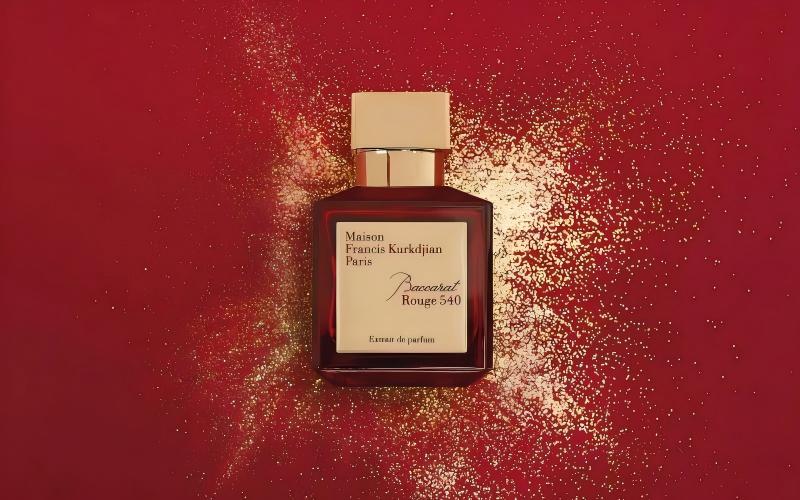
Maison Francis Kurkdjian’s Baccarat Rouge 540, known for saffron, ambergris, and woody accords, has become a phenomenon on social media and in sales.
While initially a niche luxury item, its distinctive scent and ongoing digital buzz have pushed it into bestselling territory globally.
Chanel No. 5
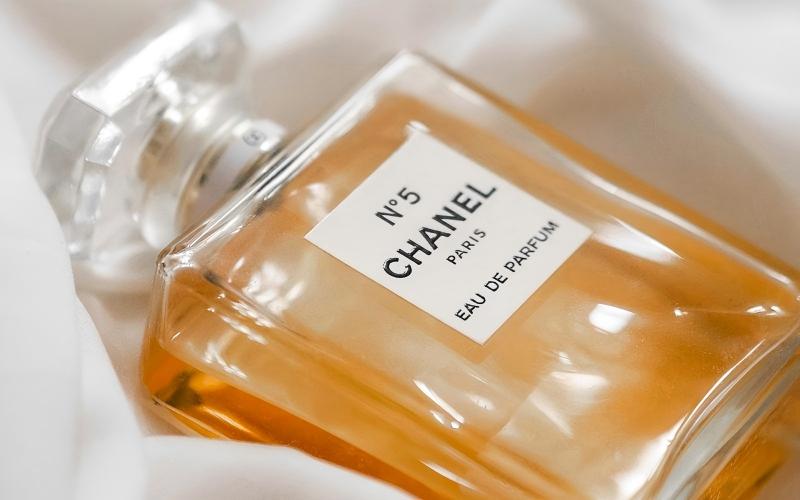
Chanel No. 5 has been cited in numerous industry rankings as one of the longest-selling perfumes worldwide, often moving millions of bottles annually.
Its floral-aldehyde structure and storied legacy translate into consistent near-top placement on global lists.
The Five Best-Selling Perfumes: Understanding the Category, Not the Names
Bestseller lists in perfumery have a tendency to look repetitive, almost conservative. This is not accidental. High-volume sales emerge from patterns of consumer comfort rather than artistic daring. Across global markets, best-selling perfumes often converge around a narrow spectrum of olfactive structures that are instantly legible, socially acceptable, and easy to integrate into daily routines.
At a structural level, these fragrances prioritize clarity over complexity. They avoid sharp transitions and excessive contrast. Instead, they rely on smooth accords, predictable evolution, and restrained intensity. This design logic reduces cognitive friction for the wearer. The scent feels familiar even on first contact, which lowers the psychological barrier to purchase.
Ease of wear is another decisive factor. Best-selling perfumes are rarely situational. They function in offices, public transport, warm climates, and close social settings without demanding explanation. Their diffusion is noticeable but rarely confrontational. Longevity is sufficient but not oppressive. This balance allows repeated use, which in turn drives repurchase behavior.
Innovation, while celebrated in industry discourse, often plays a secondary role in mass sales. Novel structures can intrigue experienced consumers, but they also introduce risk. Bestseller formulas minimize that risk. They refine existing frameworks instead of reinventing them. The result is commercial durability rather than artistic disruption.
Fragrance Profiles That Consistently Sell the Most
Certain olfactive families demonstrate remarkable resilience in sales data year after year. Fresh and clean compositions sit at the top of this hierarchy. Built around citrus, aquatic, aromatic, or lightly woody notes, these perfumes convey hygiene, energy, and neutrality. Their appeal transcends age, gender, and geography, making them ideal candidates for large-scale distribution.
Floral-centered structures follow closely. These are not dense, indolic florals or abstract interpretations. Instead, they favor transparent bouquets with high diffusion and soft edges. The goal is radiance without heaviness. Such profiles perform well in both personal use and gifting contexts because they align with widely shared cultural associations of beauty and refinement.
Sweet, musky, and creamy accords also dominate mainstream perfumery. Vanilla derivatives, soft musks, and lactonic facets create warmth and emotional comfort. These notes are often perceived as cozy and reassuring, which supports frequent wear. Importantly, they layer well with skin chemistry, creating a sense of personalization without unpredictability.
By contrast, challenging or experimental profiles struggle to reach bestseller status. Heavy animalics, austere woods, extreme bitterness, or highly abstract compositions require olfactory literacy and tolerance for ambiguity. While these scents may achieve critical acclaim, their adoption curve is slower and narrower. Mass markets favor legibility over provocation.
Consumer Psychology Behind Best-Selling Perfumes
At the core of bestseller performance lies consumer psychology. The comfort factor is paramount. People gravitate toward scents that feel safe, recognizable, and socially validated. A perfume that aligns with existing scent memory is easier to trust. This trust accelerates the purchasing decision and reduces post-purchase regret.
Brand memory reinforces this dynamic. Once a consumer has a positive experience with a fragrance, repetition becomes habitual. Repeat purchasing stabilizes sales figures and inflates bestseller rankings. Over time, the perfume becomes part of personal identity rather than a discretionary luxury.
Gifting culture further amplifies these effects. Perfume is a common gift, yet scent is deeply personal. To mitigate risk, buyers default to widely recognized and broadly appealing fragrances. Bestseller status itself becomes a heuristic for suitability. Popularity signals safety.
Social proof completes the loop. Visibility, recommendations, and perceived ubiquity create a feedback mechanism. The more a perfume is seen and discussed, the more legitimate it appears. Popularity begets popularity, often independent of compositional merit.
In B2B fragrance development, understanding these structural and psychological drivers is more valuable than memorizing brand rankings. At Scentake, formulation strategy is built around this reality. Rather than chasing transient trends, the focus is on constructing scalable, market-aligned scent profiles that convert familiarity into loyalty.
For brands, manufacturers, and sourcing teams seeking fragrance solutions that balance commercial viability with olfactive credibility, direct collaboration matters. To explore how Scentake supports product differentiation and conversion at scale, contact the team to start a technical conversation grounded in market logic, not marketing noise.