

What is fragrance also known as & When to use the word fragrance?
Fragrance is everywhere. On bottles, in advertisements, across ingredient lists, and woven into everyday conversation. Yet despite its ubiquity, the language surrounding fragrance remains surprisingly opaque. Words like perfume, scent, aroma, and smell are often used interchangeably, creating ambiguity where clarity should exist.
What Is Fragrance Also Known As? Exploring Common Alternatives
Fragrance is commonly referred to as perfume, scent, aroma, or even odor, depending on context. While these words overlap, they are not synonymous.
Perfume typically denotes a finished product designed to be worn on the body. Scent is more experiential, describing how something smells to an individual. Aroma often appears in culinary or natural settings, evoking warmth and appetizing qualities. Odor is the most neutral term, used scientifically to describe airborne molecules detected by the nose, regardless of pleasantness.
Formality influences word choice. Fragrance and perfume appear in professional and commercial settings. Scent and smell dominate casual speech. Meaning shifts with context, which is why a bakery releases aromas, a person wears perfume, and a laboratory studies odors.
Fragrance vs Perfume: Similar but Not Identical
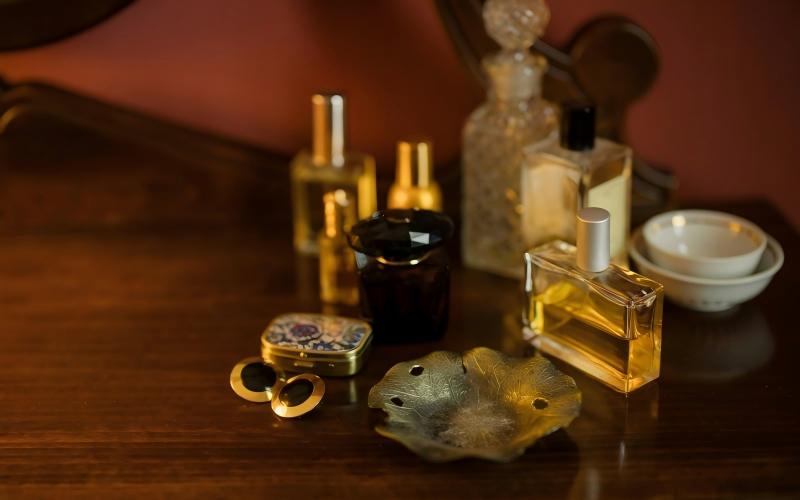
Perfume is a category within fragrance, not the other way around. It refers to a specific type of scented product with defined concentrations, formats, and usage. Eau de parfum, eau de toilette, and parfum extracts all fall under this classification.
Fragrance, by contrast, is a broader descriptor. It can refer to the scent of a cosmetic cream, a cleaning product, a candle, or a fine perfume. Brands often favor fragrance because it is inclusive and adaptable across product lines.
Technically, calling perfume a fragrance is accurate. Calling all fragrances perfume is not. The distinction becomes especially relevant in labeling, formulation, and professional communication.
Fragrance vs Scent vs Smell: Key Differences
Smell is a biological process. It describes how olfactory receptors detect volatile molecules in the air. It is factual and neutral.
Scent is perceptual. It reflects interpretation, memory, and emotion. A scent can be comforting, sharp, nostalgic, or unfamiliar.
Fragrance is intentional. It is smell shaped by design. Notes are selected, proportions refined, and effects anticipated. This element of construction is what elevates fragrance beyond raw sensory input.
Because of these differences, the terms cannot always replace one another without altering meaning. Precision adds depth to understanding.
Fragrance vs Aroma: When to Use Each Term
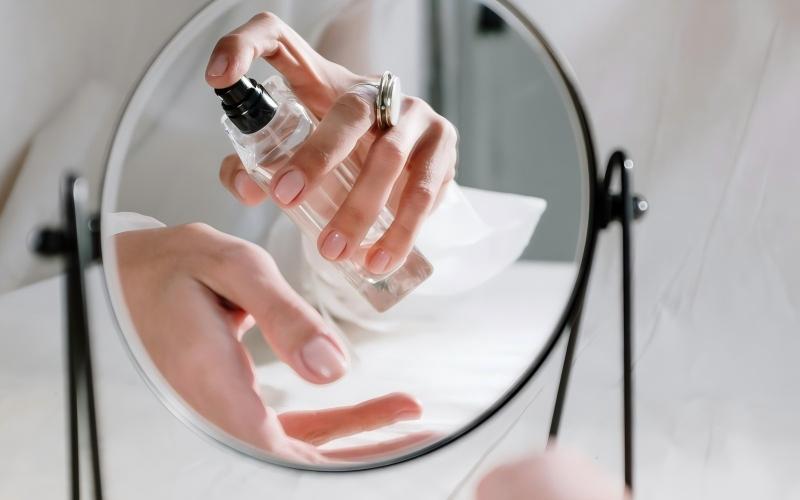
Aroma is most closely associated with food, nature, and warmth. Coffee has an aroma. Herbs release aromas when crushed. The word carries appetitive and organic connotations.
Fragrance, however, is tied to personal care, cosmetics, and lifestyle products. It suggests refinement and aesthetic purpose rather than sustenance or environment.
Cultural usage reinforces this divide. In professional settings, aroma appears in culinary science and agriculture, while fragrance dominates perfumery and cosmetics. Choosing the appropriate term signals both knowledge and intent.
How the Word Fragrance Is Used Across Industries
In perfumery, fragrance refers to the aromatic composition itself, whether natural, synthetic, or blended. In cosmetics and personal care, it describes added scent components that enhance sensory appeal.
Household products use fragrance to differentiate experience rather than function. Marketing language leans heavily on the word because it evokes elegance and desirability. Ingredient lists, however, use fragrance as a legal and regulatory term.
This dual role, emotional and technical, explains much of the confusion surrounding the word.
When Should You Use the Word Fragrance?

Fragrance is most appropriate in formal, commercial, or descriptive contexts. Product descriptions, branding materials, and professional discussions benefit from its breadth and neutrality.
In casual conversation, scent or smell may feel more natural. The key lies in audience and purpose. Writing clearly requires restraint. Overusing fragrance can dilute meaning, while misusing it can mislead.
Accuracy improves communication. Clarity builds trust.
Common Misunderstandings Around the Word Fragrance
One persistent misconception is that fragrance always means perfume. It does not. Another is that fragrance implies artificial ingredients, which ignores the role of natural extracts in modern formulations.
Fragrance is also frequently mistaken for smell. Scientifically, this is incorrect. Smell is the mechanism. Fragrance is the crafted result.
When terminology is misapplied, consumer understanding erodes. Informed language restores confidence.
Legal and Regulatory Meaning of Fragrance
From a regulatory standpoint, fragrance is a protected term. It often represents a complex formula that does not require full disclosure due to trade secret protections.
International labeling standards vary, but most allow fragrance to appear as a single ingredient, with certain allergens disclosed separately. This approach balances intellectual property with consumer safety.
Understanding this legal framework helps decode ingredient lists and marketing claims.
Clear terminology empowers better choices. Labels become readable. Marketing claims become interpretable. Preferences become easier to articulate.
Beyond practicality, understanding fragrance language deepens appreciation. It reveals fragrance as both chemistry and creativity. Science and art coexist in every bottle.
Knowledge enhances experience.