

What Is Oud (Oudh) Fragrance And Why Is It So Expensive?
Few fragrance materials command as much intrigue, prestige, and price as oud—also known as oudh or agarwood. Revered for centuries in the Middle East and Asia, oud has become one of the most sought-after ingredients in modern perfumery.
For those in the fragrance industry, the question is no longer what oud is, but why it costs so much and how it can be used commercially without compromising quality or scalability.
What Exactly Is Oud?
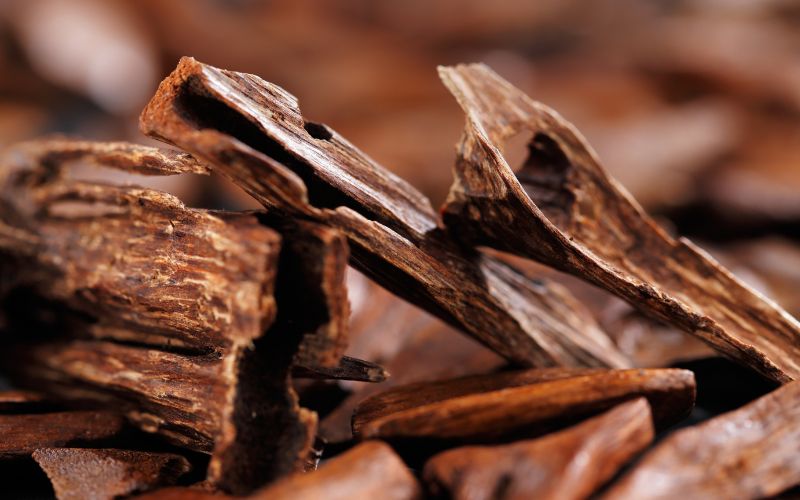
Oud is a resinous material formed inside the heartwood of Aquilaria trees when they become infected by specific molds. In response, the tree produces a dark, aromatic resin as a defense mechanism. This resin-rich wood is what the fragrance industry refers to as oud.
Olfactorily, oud is known for its:
Deep woody richness
Smoky, leathery undertones
Animalic and balsamic nuances
Exceptional depth and longevity
Unlike many fragrance ingredients, oud is never uniform—its aroma varies significantly depending on tree species, geography, infection method, and aging.
Why Is Oud So Expensive?
Oud’s high price is not driven by branding alone. It is the result of biological rarity, labor-intensive production, and market demand.
1. Extreme Natural Rarity
Only a small percentage of Aquilaria trees naturally produce resinous oud. In the wild, it can take 10–30 years for usable oud to develop, making naturally infected trees extremely scarce.
2. Labor-Intensive Extraction
Traditional oud oil is produced through steam distillation of resin-rich wood chips. Yields are very low—often less than 1–2% oil by weight—which significantly increases cost per kilogram.
3. Quality Grading and Aging
High-quality oud oils are often aged for years, during which the scent profile becomes smoother and more complex. Aging ties up inventory and capital, further increasing value.
4. Global Demand from Luxury Markets
Oud holds cultural and spiritual importance in the Middle East and has gained strong demand in luxury perfumery worldwide. Limited supply combined with expanding demand naturally drives prices upward.
In some cases, high-grade natural oud oil can reach tens of thousands of dollars per kilogram.
Natural Oud vs. Oud Accords
While natural oud is prestigious, it presents challenges for B2B applications:
Inconsistent aroma profiles
Limited availability
High cost and supply risk
Regulatory and sustainability concerns
As a result, many fragrance houses rely on oud accords—carefully constructed blends of natural and synthetic materials designed to recreate the olfactory impact of oud.
These accords allow brands to Achieve consistent scent profiles, Control cost and scalability, Maintain IFRA compliance, Serve wider commercial markets.
For most consumer products, oud accords provide a balanced solution between authenticity and feasibility.
How Oud Is Used in Modern Perfumery
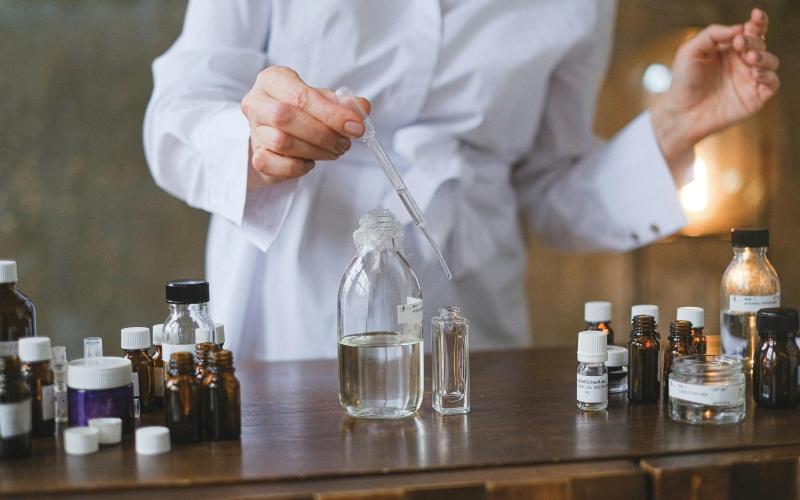
Oud is rarely used alone. Instead, it is blended to enhance structure and emotional depth.
Common pairings include:
Rose – creating a luxurious contrast between floral brightness and dark wood
Amber and resins – reinforcing warmth and longevity
Musks – softening sharp animalic facets
Spices – adding complexity and regional character
Applications Beyond Fine Fragrance
Oud’s influence extends well beyond luxury perfumes:
Home fragrance: candles and incense convey opulence and calm
Personal care: premium soaps and body products gain depth and character
Functional fragrance: controlled oud accords elevate perceived value
In these applications, performance stability and cost control are critical—making professionally built accords essential.
Sustainability and Compliance Considerations
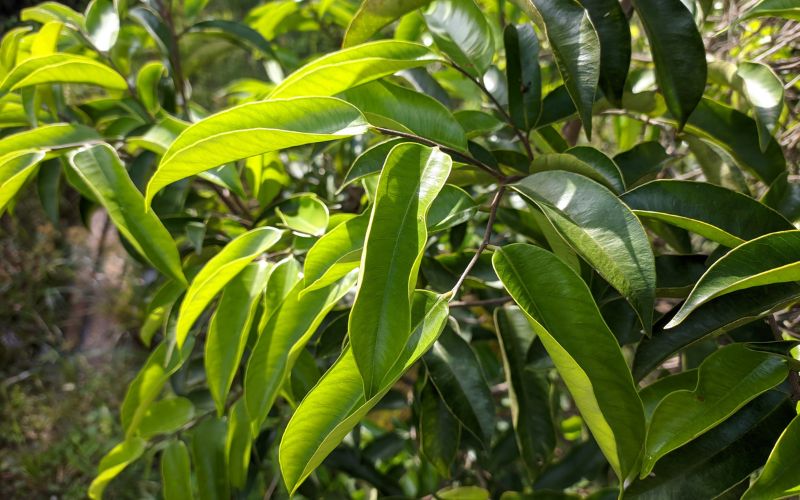
Due to overharvesting risks, Aquilaria species are protected under CITES regulations, which control international trade of agarwood. Responsible sourcing and documentation are essential for global distribution.
Modern perfume development is increasingly emphasizing sustainably sourced ingredients, reconstructed oud notes, and clear regulatory documentation.
This approach protects both natural resources and long-term business viability.
Let’s Create Oud Fragrances That Scale Globally
If you are developing oud-based fragrances or scented products and need solutions that balance authenticity, compliance, and commercial practicality, we’re ready to support you.
Contact Scentake to discuss oud accords, custom fragrance development, or bulk supply tailored to your target markets.
Luxury begins with understanding—and scales with expertise.