

Which perfume sells the most and which perfume smells the best?
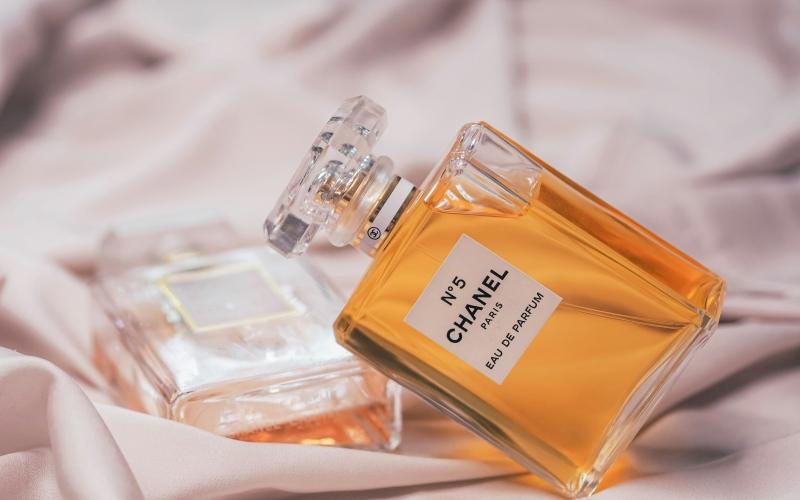
Some perfumes transcend trends. Classics like Chanel No.5, Dior Sauvage, and Lancôme La Vie Est Belle continue to dominate sales year after year. Their formulas are instantly recognizable, emotionally charged, and culturally entrenched.
Modern blockbusters often rise through virality. Social media platforms and influencer culture can propel a fragrance to cult status within weeks. Visibility fuels curiosity; curiosity fuels sales.
These perfumes resonate because they strike a balance between individuality and mass appeal. They smell pleasant on most skin types and perform consistently across climates. Reliability becomes a virtue.
Reformulation quietly sustains dominance. Adjustments in ingredients or concentration—often driven by regulation or cost—help brands preserve signature DNA while adapting to modern constraints.
What Makes a Perfume Smell the Best?
The idea of “best-smelling” is inherently subjective. Scent perception is shaped by memory, biology, and emotion. A perfume reminiscent of childhood may eclipse a technically flawless composition in personal ranking.
Balance is critical. Exceptional perfumes unfold seamlessly, with top notes introducing the theme, heart notes defining character, and base notes anchoring longevity. No single element overwhelms the others.
Perfumers assess quality through craftsmanship. Ingredient selection, blending precision, and structural coherence separate refined compositions from chaotic ones. True olfactory excellence feels intentional, not accidental.
Emotion seals the experience. Some scents imprint themselves instantly, triggering comfort, desire, or awe. These perfumes linger not just on skin, but in consciousness.
Perfume Experts vs Consumers: Do They Agree?

Experts evaluate fragrance through technical and artistic lenses. They consider innovation, ingredient integrity, and compositional balance. Subtlety often earns admiration in professional circles.
Consumers, however, prioritize immediate pleasure and social feedback. A perfume that garners compliments often outranks one that demands contemplation. Popularity favors clarity over complexity.
Awards and critical reviews highlight excellence, yet they rarely align perfectly with sales rankings. Niche masterpieces may earn acclaim while remaining commercially obscure.
Occasionally, both worlds collide. When artistic excellence meets mass appeal, a perfume becomes iconic—respected by critics and embraced by millions.
Best-Smelling Perfumes According to Different Tastes
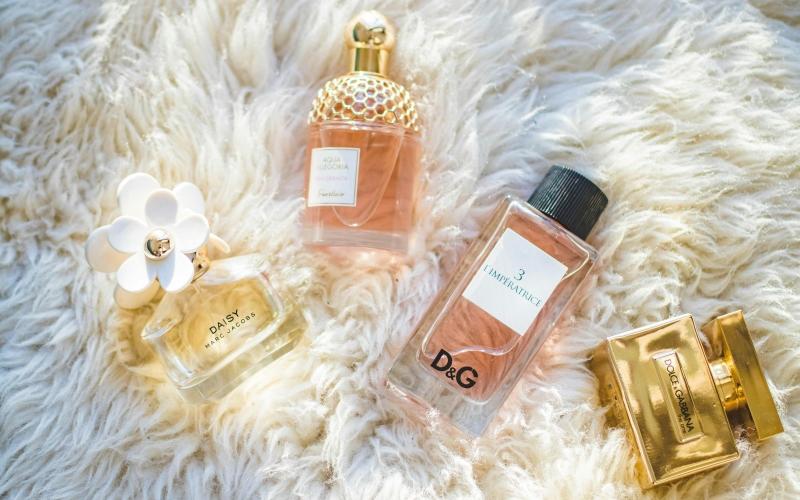
Certain scent profiles enjoy near-universal approval. Soft florals, clean musks, and gentle gourmands rarely offend. These are safe, versatile, and effortlessly likable.
Enthusiasts often seek challenge. They gravitate toward bold leathers, animalic musks, smoky woods, and unconventional accords. Polarization becomes part of the appeal.
Gender-neutral fragrances are reshaping preferences. As traditional boundaries blur, scents are increasingly chosen for mood and identity rather than labels.
Lifestyle and personality exert influence. A minimalist may prefer transparent compositions, while an extrovert might favor powerful, expansive scents. “Best-smelling” is context-dependent.
Sales vs Sensory Appeal: Why They Often Differ
Marketing budgets can eclipse olfactory brilliance. Exposure breeds familiarity, and familiarity breeds trust. Many consumers buy what they recognize.
Subtle perfumes often struggle commercially. Their beauty reveals itself slowly, demanding patience in a market driven by instant gratification. Louder scents dominate attention.
Nostalgia also drives sales. A familiar aroma linked to past happiness can outperform superior alternatives. Memory is a powerful sales agent.
Social influence completes the cycle. Recommendations, reviews, and trends shape collective opinion, sometimes redefining what people believe smells good.
How to Choose Between Best-Selling and Best-Smelling Perfume
Begin with self-awareness. Identify notes that consistently appeal to you and those that repel you. Your skin, lifestyle, and environment matter more than rankings.
Trends can guide exploration, but instinct should decide. A perfume should resonate privately before it performs publicly. Trust the quiet reaction before the compliments.
Test beyond first impressions. Let the fragrance evolve over hours. Longevity, dry-down, and emotional response reveal true compatibility.
Build a fragrance wardrobe. Balance popular favorites with personal discoveries. Popularity offers confidence; individuality offers pleasure.
Finding Your Perfect Scent Beyond the Rankings
The “best” perfume is not universal. It is intimate. It changes with skin, mood, and moment.
Perfume exists at the intersection of art and commerce. Sales measure success, but scent measures connection.
Ultimately, the most beautiful fragrance is the one that feels unmistakably yours—regardless of charts, critics, or trends.