
Ylang-Ylang in Perfumery: The solar flower of the Comoros and Mayotte
A Flower That Smells Like Sunlight on Skin
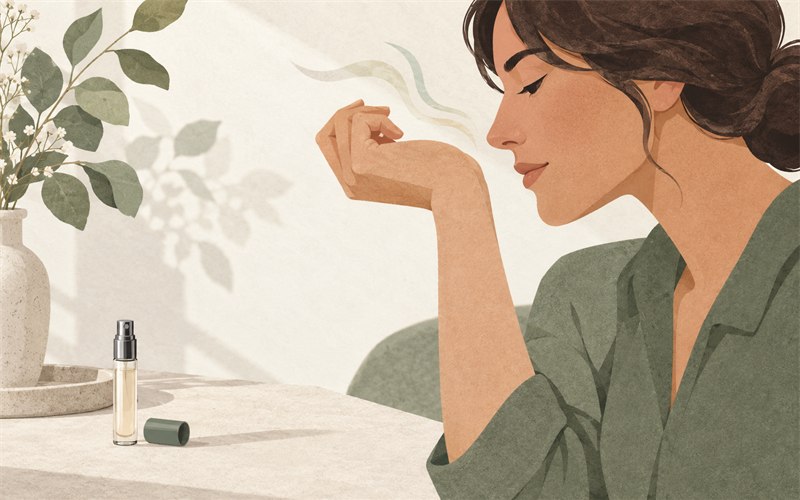
Ylang-ylang is one of perfumery’s most expressive natural flowers. It can smell creamy, banana-like, jasmine-like, spicy, balsamic, waxy, honeyed, and slightly animalic. That strange mixture is exactly why perfumers love it. It gives a formula warmth and movement rather than a flat floral sweetness.
The phrase solar flower fits ylang-ylang well. In a perfume, it can suggest tropical air, warm skin, golden petals, and a soft oily richness. Used carefully, it brings radiance to white florals, softness to amber, and a lush curve to woody or musky bases.
For brands, ylang-ylang is useful because it feels natural and luxurious while staying versatile across fine fragrance, body oil, soap, lotion, candle, and spa-style products.
Why Comoros and Mayotte Matter
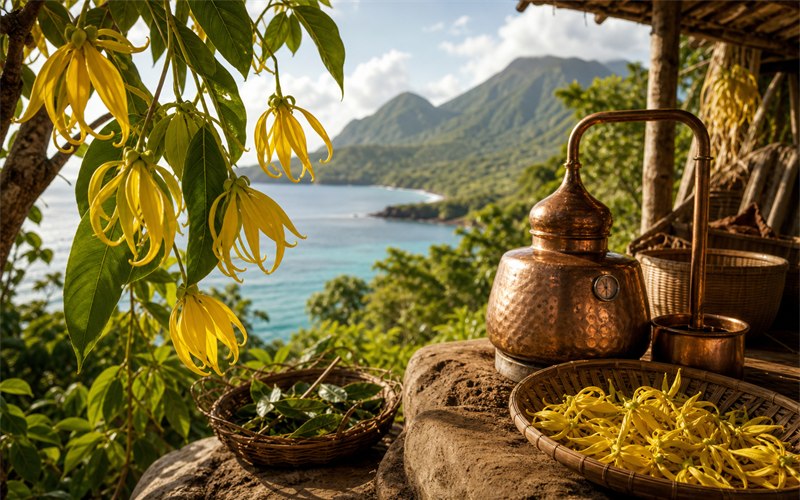
Ylang-ylang grows in several tropical regions, yet the western Indian Ocean has a special place in its commercial story. Comoros, especially Anjouan, has long been associated with ylang-ylang oil production, and Mayotte has its own cultural and agricultural connection to the flower.
These origins matter because buyers often connect ylang-ylang with island agriculture, hand harvesting, small distillation sites, and traditional perfume supply chains. The flower is delicate, and the oil quality depends on freshness, harvest timing, distillation skill, and storage.
A good supplier should be able to explain origin, botanical name, grade, batch consistency, and documentation. A romantic origin story is pleasant, while technical paperwork is what allows a fragrance project to move safely into production.
The Scent Profile: Creamy, Floral, Spicy, and Animalic
Ylang-ylang is rich because it contains several scent impressions at once. The top can feel bright and floral. The heart becomes creamy, yellow, and narcotic. The base may show clove-like spice, balsamic softness, and a faint animalic warmth.
This complexity makes it useful in many styles. It can soften jasmine, enrich tuberose, give body to rose, brighten coconut, and add natural depth to amber vanilla. It also pairs beautifully with sandalwood, benzoin, patchouli, bergamot, neroli, and clean musks.
The same richness can become excessive if the dosage is too high. In a light body mist, ylang-ylang may need a transparent floral frame. In an extrait or perfume oil, it can be allowed to feel more voluptuous.
Distillation Grades and What They Mean
Ylang-ylang oil is commonly separated into fractions during steam distillation, often described as Extra, I, II, III, and Complete. Early fractions tend to smell more floral, bright, and elegant. Later fractions are usually heavier, less volatile, and more balsamic or woody. Complete oil represents the full distillation profile blended together.
These grades are practical tools for formulation. Extra can be beautiful in fine fragrance where lift and floral clarity matter. Later grades may support soap, candle, or functional products where strength and cost control are important. Complete oil can give a rounder natural impression.
A buyer should avoid choosing by grade name alone. Smell the sample, check the target product base, and compare performance after aging, heat exposure, and application testing.
How Perfumers Use Ylang-Ylang
In white floral perfumes, ylang-ylang adds golden warmth and creamy texture. In chypre or floral woody scents, it softens the transition between flowers and mossy or woody bases. In amber vanilla formulas, it prevents the base from feeling too dry or resinous.
It also works in tropical and solar fragrances, especially with coconut, frangipani, orange blossom, tuberose, salt, musk, and sandalwood. A small amount can make a beach-inspired scent feel more natural and expensive.
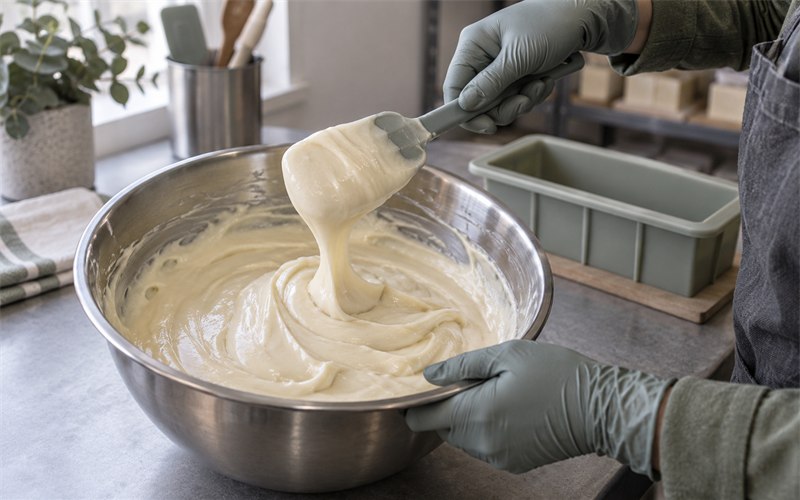
For personal care, ylang-ylang gives soaps, hair products, and lotions a lush spa character. The formula still needs careful balance because the flower can dominate delicate bases.
Natural Sourcing and Quality Control
Natural ylang-ylang oil varies. Climate, harvest timing, flower maturity, distillation equipment, fraction collection, and storage all affect odor. Oxidation and poor storage can make the oil feel dull, harsh, or less floral.
Professional buyers should request the botanical name Cananga odorata, origin, grade, batch number, allergen information, IFRA certificate for the final product category, and SDS where relevant. GC/MS data can be useful when consistency or authenticity is critical.
For brands working at scale, it may be wise to approve both a natural ylang-ylang material and a supporting floral accord. That approach can preserve the natural signature while improving consistency, cost control, and performance.
Safety and Labelling Considerations
Ylang-ylang is natural, fragrant, and powerful, so it still needs safe-use review. IFRA Standards guide fragrance use by product category. EU cosmetics rules require fragrance allergen labelling under the applicable cosmetics framework, including the expanded allergen list introduced by Regulation (EU) 2023/1545. In the United States, FDA guidance explains that fragrance ingredients in cosmetics must be safe under labeled or customary conditions of use.
This is especially relevant for leave-on products such as lotion, perfume oil, hair mist, and deodorant. A scent that feels soft and floral may still contain allergen constituents that need declaration or dosage control.
Consumers with sensitive skin should patch test scented oils and concentrated perfumes. Brands should build documentation review into the project timeline instead of leaving it for the final week before launch.
A Practical Buyer Checklist
Choose the target style: creamy white floral, solar tropical, amber floral, spa body care, soap, candle, or diffuser.
Compare ylang-ylang Extra, Complete, and later fractions against the actual product base.
Check origin, grade, IFRA certificate, allergen declaration, SDS, and batch consistency.
Test stability, color, and odor after heat, light, and time exposure.
Use supporting materials such as jasmine, neroli, sandalwood, musks, or benzoin to shape the flower rather than letting it overwhelm the formula.
How Scentake Supports Ylang-Ylang Projects
Scentake helps fragrance brands and private-label teams develop floral and natural-inspired scents for fine fragrance, personal care, home fragrance, and gift products. For ylang-ylang, that can mean choosing the right material grade, building a balanced floral accord, adapting the scent to a product base, and preparing documentation for production.
If you want a solar floral scent with real commercial polish, contact Scentake with your product format, target market, and preferred mood. A well-built ylang-ylang fragrance can feel warm, memorable, and beautifully alive.