

Natural vs Synthetic Fragrance Ingredients: What’s the Real Difference?
In the fragrance industry, few debates are as persistent—or as commercially misunderstood—as the one between natural and synthetic fragrance ingredients.
The conversation is often emotional. Sometimes ideological. Rarely technical. This distinction is not about romance. It is about performance, compliance, scalability, and cost control.
What “Natural” and “Synthetic” Really Mean
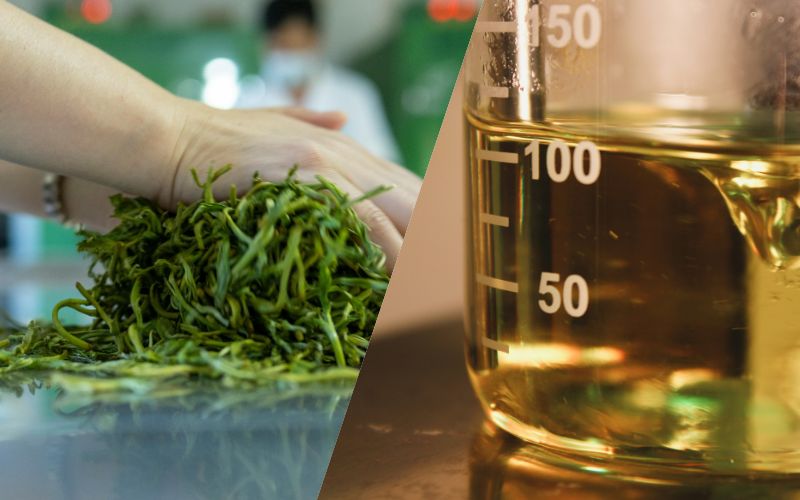
In perfumery, “natural” typically refers to aromatic materials derived directly from botanical or animal sources through processes such as steam distillation, solvent extraction, or cold pressing. Examples include lavender oil, sandalwood oil, rose absolute, and citrus essences.
“Synthetic,” by contrast, describes aroma molecules created through chemical synthesis—either replicating compounds found in nature or producing entirely novel structures that do not exist naturally.
This is where nuance matters.
Many so-called synthetic ingredients are nature-identical, meaning their molecular structure is indistinguishable from the compound found in a flower, resin, or fruit. Vanillin is a classic example: over 99% of global vanillin production is synthetic, despite vanilla being a natural source. The reason is simple. One ton of vanilla beans yields only a few kilograms of vanillin.
Scarcity reshapes reality.
Natural Fragrance Ingredients: Authentic, Complex, and Inconsistent
Natural ingredients possess a certain poetic appeal. They are complex, multi-faceted, and rich in olfactive texture. A natural rose absolute can contain hundreds of aromatic molecules, creating a depth that is difficult to replicate precisely.
However, complexity has consequences.
Natural materials are inherently variable. Climate, soil, harvest timing, and extraction method all influence the final olfactive profile. For large-scale fragrance production, this variability introduces formulation challenges and batch-to-batch inconsistency.
There are also practical limitations:
- Cost volatility due to agricultural dependency
- Limited supply and geopolitical risk
- Allergen content, which can complicate IFRA and EU compliance
Natural does not automatically mean safer. In fact, many fragrance allergens originate from natural essential oils.
Synthetic Fragrance Ingredients: Precision, Stability, and Innovation
Synthetic ingredients offer something nature cannot: control.
They are engineered for consistency, stability, and performance. Molecules such as Iso E Super, Ambroxan, and Hedione have become industry staples because they provide predictable diffusion, longevity, and olfactive clarity across markets and climates.
From a commercial standpoint, synthetics allow:
- Reliable large-scale production
- Long-term price stability
- Enhanced shelf life and formulation robustness
They also enable creative freedom. Many modern fragrance profiles—clean musks, transparent woods, mineral ambers—would be impossible without synthetic chemistry.
Innovation lives here.
Safety, Sustainability, and Regulation

A common misconception is that natural ingredients are inherently more sustainable. The reality is more complex.
Overharvesting of natural resources has placed pressure on ingredients such as sandalwood and certain floral absolutes. Synthetic alternatives can reduce environmental strain by minimizing land use, water consumption, and biodiversity impact.
From a regulatory perspective, synthetic ingredients often offer greater compliance predictability. Their purity and molecular definition simplify safety assessments under IFRA standards and international cosmetic regulations.
Sustainability is not about origin alone.
It is about impact.
Performance in Finished Fragrances
Consumers experience fragrance through three primary dimensions:
Longevity
Projection
Evolution
Neither natural nor synthetic ingredients dominate all three categories universally. High-performing fragrances rely on intelligent composition, blending naturals for texture and synthetics for structure.
A fragrance built entirely on naturals may smell beautiful—but fade quickly. A formula relying only on synthetics may last—but lack emotional depth. The most successful fragrances occupy the intersection.
Balance is the differentiator.
Choosing the Right Ingredients for Your Brand
For business buyers, the question is not “natural or synthetic?”
The question is “fit for purpose?”
Please Consider:
Target market expectations
Climate and usage conditions
Price positioning and margins
Regulatory environment
Brand storytelling requirements
Ingredient strategy should serve the business model, not constrain it.
How Scentake Approaches Ingredient Selection
At Scentake, we do not treat natural and synthetic ingredients as opposing forces. We treat them as complementary tools.
Our fragrance development process integrates both: using high-quality natural extracts to ensure authenticity; using advanced fragrance molecules to ensure stability and superior performance; adhering to IFRA standards; and tailoring formulations for global markets, along with scalable private label and bulk fragrance supply solutions.
The result is fragrance that performs commercially, complies globally, and resonates emotionally.
Let’s Build Fragrances That Work—Not Just Sound Good
Whether you are sourcing fragrance ingredients, developing custom scents, or launching a new product line, the right ingredient strategy makes the difference between short-term appeal and long-term success.
Contact Scentake today to discuss your fragrance project and discover how informed formulation can elevate both your product and your brand.
Smarter ingredients. Stronger fragrances. Better business outcomes.