

What perfume lasts the longest and does it get better with age?
Perfume longevity depends largely on concentration. Parfum, with its high essential oil content—typically 20–30%—offers a dense, lasting scent. Eau de Parfum follows with moderate strength, while Eau de Toilette and Eau de Cologne contain lighter formulations, ideal for short bursts of freshness.
Ingredients define endurance. Natural oils such as vetiver, patchouli, and sandalwood tend to cling longer, while synthetic molecules can be engineered for superior stability. Perfumers often blend both worlds—nature for authenticity, science for staying power.
Skin chemistry plays a surprising role. Factors like body temperature, hydration, and even diet affect how fragrance molecules interact with your skin. Meanwhile, humidity, wind, and heat influence how quickly a scent diffuses. The same perfume can smell fleeting on one person yet last for days on another.
A common misconception is that “strong” automatically means “long-lasting.” Intensity and longevity are different. A scent can project loudly but disappear within hours, while another whispers closely to the skin yet endures all day.
Ingredients Behind Long-Lasting Perfumes
Base notes are the architecture of endurance. Ingredients like amber, musk, oud, and woods serve as anchors, slowing evaporation and enriching the perfume’s depth. These heavier molecules create the sensual trail that remains after the top notes vanish.
Top and middle notes, such as citrus, green leaves, and florals, tend to evaporate quickly. However, skilled perfumers craft balance—using fixatives or resins to tether lighter notes to the base, ensuring a harmonious evolution rather than a fleeting burst.
Fixatives are the secret alchemy. Natural fixatives like labdanum and benzoin, or synthetic ones like ambroxan, help the fragrance adhere to skin and air molecules longer. They don’t overpower the scent—they extend its story.
Some perfumes are legends of endurance. Chanel No.5, Dior Hypnotic Poison, and Tom Ford Oud Wood are celebrated for their longevity, each blending durable base materials with artful structure. These are the scents that linger on scarves, linger in rooms, and linger in memory.
Does Time Really Make It Better?
Perfume is alive in its own quiet way. Over time, molecules oxidize and volatile top notes fade, while deeper notes may grow rounder and smoother. This slow metamorphosis can add sophistication—or, if neglected, ruin.
Certain compositions age gracefully: rich orientals, woody blends, and resinous scents often deepen beautifully. On the other hand, light florals or fresh citrus fragrances tend to lose brightness and turn sour or flat.
Storage defines fate. Perfumes thrive in cool, dark spaces, away from sunlight and temperature shifts. Stored properly, a fragrance can remain intact for decades. Even better—some evolve subtly, like a treasured bottle revealing a new nuance each year.
Collectors often note that aged perfumes smell “warmer” or “denser.” An older bottle of Guerlain Shalimar, for instance, may carry a creamier vanilla undertone than a new one—proof of perfume’s poetic aging process.
Tips for Choosing and Wearing Long-Lasting Perfume
Before buying, test perfume on skin—not just on paper strips. Observe how it behaves over hours, noting transitions from top to base notes. True longevity reveals itself slowly.
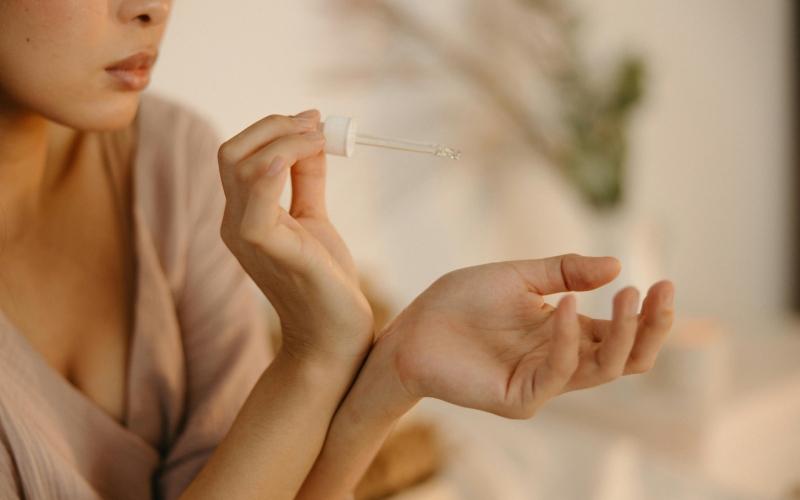
Apply strategically. Pulse points—neck, wrists, behind ears—amplify diffusion through warmth. For even greater endurance, apply unscented lotion first to help fragrance molecules bind to moisturized skin.
Layering is an art. Pairing matching body creams, oils, or hair mists can reinforce a scent’s structure without making it overwhelming. Subtle layering enhances complexity and persistence.
Adapt to season and lifestyle. Lighter compositions bloom better in heat, while dense, resinous scents thrive in cold weather. Choose fragrances that fit the rhythm of your environment and your day.
The Truth About Perfume Longevity and Aging
Price doesn’t equal performance. Some niche or designer fragrances with astronomical prices fade quickly, while affordable creations from skilled perfumers endure surprisingly well. Longevity depends on formulation, not fame.
Another myth claims that all perfumes get stronger with age. In truth, aging can alter balance—some deepen delightfully, others degrade. When alcohol evaporates or oxygen infiltrates, the scent may sour or lose clarity.
A perfume gone bad is easy to detect. Discoloration, cloudiness, or a sharp, vinegar-like odor are clear signs of deterioration. Beauty has limits, even in bottles.
Perfume is more than scent—it’s an evolving dialogue between time, chemistry, and emotion. A fragrance that lasts tells a story that refuses to fade.
Curating a collection of perfumes that mature gracefully means understanding composition, storage, and personal connection. Each bottle becomes a living memory, growing richer with the years.
In the end, perfume’s magic lies not just in how long it lasts, but in how it changes—mirroring life itself, transient yet eternal in the memories it leaves behind.