
Are Perfume Dupes Legal and Safe? What Consumers and Brands Should Know
A perfume dupe can be tempting: familiar scent territory, a lower price, and an easy comparison. Yet the word “dupe” compresses several different questions into one. A fragrance may echo a popular olfactory family without being unlawful; a product that looks or markets itself like another brand can create a very different risk. Safety is separate again. Similarity to a famous perfume says little about whether a particular formula, label, or finished product is appropriate for its intended use.
Key takeaway: A perfume dupe is not automatically illegal or unsafe. The practical questions are whether its name, packaging, advertising, or overall presentation could confuse buyers about source, and whether the finished formula has been evaluated for its product category and target market. For a commercial launch, independent identity, accurate labeling, and complete compliance documentation matter far more than a “dupe” claim.
Why “dupe” needs a more precise definition
In everyday conversation, a dupe usually means a more affordable product that reminds someone of a well-known original. That can refer to the scent direction, the bottle shape, the product name, the color palette, or the marketing language. These are not interchangeable. Two fragrances can share citrus, rose, vanilla, woods, or clean musk and still be built from different materials, proportions, and performance choices.
For consumers, the useful distinction is simple: “smells similar” is an opinion about the wearing experience. “Looks like it came from the same company” is a question about marketplace presentation. Brands should treat those as separate workstreams from the first brief onward.
A scent similarity is not the whole legal question
Trademark issues commonly turn on the likelihood that buyers would be confused about who makes or sponsors the goods. The U.S. Patent and Trademark Office explains that confusion analysis looks at the marks and the related goods or services; sound, appearance, meaning, and overall commercial impression can all matter. That is why a product name, a near-copy wordmark, a lookalike carton, or advertising that suggests affiliation may be more consequential than a broad scent comparison.
| Question | Lower-risk direction | Risk that needs review |
|---|---|---|
| Product identity | Original name, logo, and brand story | Name or mark that closely evokes a known brand |
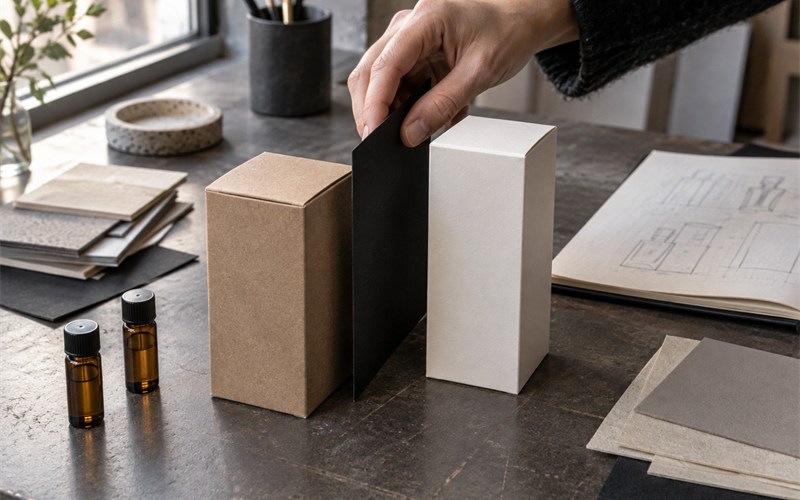
| Packaging | Different bottle, carton, typography, and color system | Overall presentation designed to be mistaken for another product |
| Marketing | Describe your own scent family and performance | Claims or comparisons that imply sponsorship or affiliation |
| Formula development | Independent brief with documented revisions | Requesting a supplier to reproduce a protected product exactly |
There is no single global checklist that clears every country. Trademark, unfair-competition, consumer-protection, and packaging rules vary by market. A brand intending to sell across borders should have local IP counsel review its proposed name, visual identity, comparative claims, and launch markets before production. This article offers practical information, not legal advice.
Are perfume dupes safe to use?
Price, inspiration, and safety are different variables. A responsibly made lower-priced fragrance can be suitable for its intended use; an expensive fragrance can still be unsuitable for a particular individual. Safety depends on the finished formula, concentration, exposure route, product base, manufacturing controls, labeling, and applicable market requirements.
In the United States, perfume and cologne are cosmetics, and the FDA states that cosmetic ingredients must be safe under labeled or customary conditions of use. The FDA also notes that a fragrance mixture may appear as “Fragrance” on a cosmetic ingredient declaration, which means a retail label may not reveal every aromatic constituent. That is a labeling convention, not evidence that the product has been assessed for every market or every consumer.
Fragrance sensitivity is real, and an individual reaction cannot be predicted from whether a perfume is original or inspired. Stop using a product if it causes irritation or another adverse reaction; seek appropriate medical advice for serious or persistent symptoms. Consumers with known sensitivities may also want to ask the seller or manufacturer for product information rather than relying on a marketplace listing alone.
Compliance note: An IFRA Certificate is useful evidence about a fragrance compound for a stated application, yet it does not replace finished-product safety work or local law. IFRA Standards restrict, prohibit, or set criteria for specified fragrance ingredients, while legal requirements still depend on the product category and market. In the EU, fragrance-allergen labeling obligations must also be considered alongside the cosmetic safety assessment and product information file.
How consumers can assess a lower-priced fragrance
- Identify the real seller. Look for a business name, contact route, return policy, and a product page that does more than repeat social-media claims.
- Read the full label and listing. Check the net contents, responsible business information, warnings, and ingredient declaration required in your market.
- Be wary of implied affiliation. A familiar scent family is one thing. Packaging, photography, or wording that makes source unclear is another reason to pause.
- Use according to the label. Do not assume a body fragrance belongs on the face, broken skin, or fabric simply because it smells pleasant.
- Keep the batch and receipt. If a quality or safety issue arises, those details make it easier to contact the seller or report a concern.
For blind buys, buying a small authorized sample or choosing a seller with a clear return policy is often more useful than chasing an exact online comparison. A perfume changes on skin and through drydown; terms such as “identical” or “99% the same” are marketing language, not a reliable quality test.
What fragrance brands should build into an inspired-by project
For a brand, the strongest route is to use the market reference as a directional input, then turn it into an independent product brief. Define what customers respond to: perhaps the sparkling citrus opening, a soft woody drydown, a lower-intensity format, or a particular price point. Then specify what must be distinct: the name, bottle and carton architecture, visual language, copy, and fragrance development path.
- Write a neutral scent brief. Describe families, materials, intensity, drydown, product base, price position, and target market rather than asking for an exact copy.
- Clear the identity early. Screen the proposed name and packaging direction before expensive artwork, tooling, or photography.
- Evaluate samples in the final base. A concentrate that performs in alcohol may behave differently in body care, home fragrance, or fabric care.
- Collect the right documents. Depending on the project, ask about IFRA documentation, SDS, COA, allergen information, specifications, and traceability.
- Control claims and approvals. Keep written approval records for artwork, label copy, sample versions, and market-specific changes.
For fragrance buyers: a clear brief should include the final product category, intended countries, expected order volume, packaging constraints, cost range, and any restricted-material or labeling requirements. It helps a development partner propose a scent direction that is commercially usable rather than merely reminiscent of a reference.
Scentake’s custom fragrance development process can begin with a sensory direction and product application, then move through sample evaluation and documentation planning. For procurement teams, it is also useful to understand the difference among an SDS, IFRA Certificate, and COA; each answers a different question.
Common misconceptions that create avoidable risk
“If the scent is similar, the product is automatically illegal.” Similarity by itself does not answer the question. The relevant facts include branding, packaging, claims, market context, and local law.
“If the product is legally sold, it must be safe for everyone.” No fragrance can promise universal compatibility. Personal sensitivities and the intended conditions of use still matter.
“An IFRA document proves the whole finished product is compliant everywhere.” It does not. It is part of a wider evaluation that includes the full formula, product category, concentration, local rules, labeling, and safety assessment.
FAQ
Can a perfume smell like a designer fragrance without infringing a trademark?
It may be possible for products to occupy a similar scent family while presenting independent names, packaging, and marketing. Whether a particular launch creates legal risk depends on the facts and the markets involved. Brands should obtain jurisdiction-specific IP advice before launch, especially if any reference product is named in public-facing copy.
Is a perfume dupe less safe because it costs less?
No. Price does not determine safety. The relevant questions concern formula quality, the intended product base, manufacturing controls, labeling, and compliance for the sales market. Conversely, a higher price does not remove the possibility of individual fragrance sensitivity.
What should a brand ask a fragrance supplier before launch?
Start with the product category, target countries, formula base, desired scent direction, cost range, anticipated volume, and package format. Then agree on the documentation needed for the project and who reviews label copy, artwork, and compliance. This makes later sample and production decisions easier to trace.
A good dupe alternative is an independent product with a clear sensory brief and a clear identity. If you are developing one for a commercial range, discuss your fragrance brief with Scentake and bring the product base, target market, and documentation needs into the first conversation.