
Ambergris vs Ambroxan: What’s the Difference in Modern Perfumery?
Ambergris vs Ambroxan: What’s the Difference in Modern Perfumery?
Ambergris and Ambroxan are connected in perfume history, yet they are not the same material. One is a rare waxy substance historically associated with sperm whales. The other is a modern aroma material, also called ambroxide, used to create an ambergris-like effect with far more predictable supply and formulation control.
Key takeaway: Ambergris is a historical natural material with variable origin and legal or ethical considerations. Ambroxan is a specific modern fragrance material valued for dry, mineral, woody-amber warmth and persistence. A fragrance brief should describe the desired scent effect and product use, rather than request the two names as interchangeable.
What ambergris is, and why it became famous in perfumery
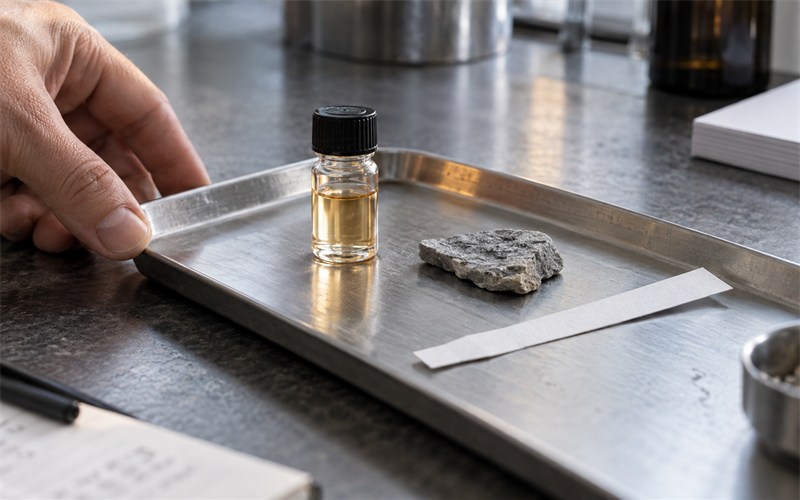
Ambergris has a long association with fine fragrance because it can develop a warm, marine, animalic and softly sweet character after aging. Its rarity helped create an aura of luxury. That history is useful context, yet it is a poor basis for a modern sourcing decision. Origin, traceability, local law and responsible procurement can all complicate its use.
For most contemporary fragrance projects, the commercial question is not how to obtain ambergris. It is how to build the dry, radiant ambergris-like character the brief calls for, with repeatable quality and suitable documentation.
What Ambroxan is
Ambroxan, also known as ambroxide, is a defined aroma material. The PubChem record for ambroxide lists Ambroxan among its synonyms and describes its connection to the odor of ambergris. In perfumery it is appreciated for a dry, mineral, woody-amber profile that can feel warm, skin-like and quietly radiant.
It is not a complete ambergris recreation. A finished perfume may use Ambroxan alongside musks, woods, resins, marine facets or other amber materials. The formula decides whether the result feels clean and transparent, salty and mineral, or rich and resinous.
Ambergris and Ambroxan compared
| Question | Ambergris | Ambroxan |
|---|---|---|
| What is it? | Historical natural material associated with sperm whales. | A defined modern aroma material, also called ambroxide. |
| Supply | Rare and variable, with legal and ethical considerations. | Designed for predictable commercial sourcing and formula work. |
| Odor role | Complex aged marine, animalic and amber nuances. | Dry, mineral, woody-amber warmth and persistent radiance. |
| Development use | Requires origin and market-specific due diligence. | Still requires full-formula and use-category assessment. |
The comparison is not a contest. Ambergris belongs to perfumery history and can inspire a scent direction. Ambroxan gives perfumers a controllable building block. Neither name alone predicts the quality or performance of a finished perfume.
How Ambroxan behaves in a fragrance formula
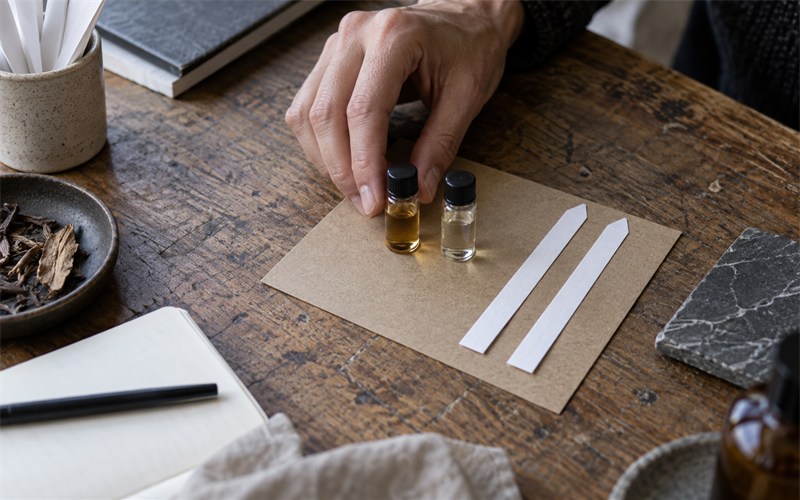
At low dosage, Ambroxan can add lift, dry warmth and a more persistent base without becoming an obvious note. At higher dosage, it may become a visible part of the scent identity. Its behavior changes with surrounding materials, concentration and base. A fresh citrus perfume may use it as a hidden support, while an amber-woody perfume may place it at the center.
For fragrance buyers, test a sample at opening, mid-wear and drydown. Also test it in the intended base and package. A material that performs beautifully in an alcohol perfume can show a different profile in body lotion, a water-based mist or fabric care.
Safety, documentation and the target market
“Modern” does not mean a material is exempt from review. IFRA explains that synthetic materials can extend naturals or recreate rare notes, while final safe use still depends on assessment in the intended application. Confirm the complete formula, product category and target market. Supplier documentation should match the exact fragrance compound, not merely the word “amber.”
For a practical explanation of the documents to request, see Scentake’s guide to SDS, IFRA Certificates and COAs.
Questions people often ask
Is Ambroxan the same as ambergris?
No. Ambroxan is a specific modern aroma material associated with an ambergris-like odor effect. Ambergris is a separate historical natural substance.
Does Ambroxan make perfume last longer?
It can support persistence and drydown, yet longevity depends on the whole formula, product base and use conditions.
Can an ambergris-style perfume be vegan?
Potentially, if the formula uses suitable non-animal materials and the brand verifies the complete product and supply chain. Ask for a specific formulation statement rather than relying on a scent name.
Translate the inspiration into a workable brief
Describe whether you want dry mineral amber, salty skin warmth, marine air, resinous depth or a clean woody trail. Scentake’s custom fragrance development process can turn that sensory direction into samples, real-base evaluation and documentation for the intended market. For a related guide, explore modern musk materials, then share your product format and target market through our contact page.