
Why Do Perfumes Get Reformulated? IFRA, Cost, Ingredients and Performance Explained

Reformulation Is Common in Modern Perfumery
A perfume can change after launch for many reasons. Sometimes the difference is barely noticeable. Sometimes loyal customers feel the scent has lost depth, projection, or a familiar drydown.
Reformulation is part of the practical life of fragrance. Ingredients change, regulations evolve, suppliers discontinue materials, packaging shifts, costs rise, and brands update performance targets.
The best reformulations preserve the recognizable character of the scent while keeping the product commercially and legally viable.
The Main Reasons Perfumes Get Reformulated
Reformulation is rarely caused by one single factor. A brand may face several pressures at the same time, especially when a fragrance has been on the market for years.
| Reason | What changes | Consumer impact |
|---|---|---|
| IFRA or safety updates | Certain materials may need lower dosage or replacement. | The scent may become softer, cleaner, or less heavy. |
| Ingredient availability | A natural or specialty material becomes scarce. | Batch character may shift. |
| Cost pressure | Expensive materials are reduced or replaced. | Depth and longevity may change. |
| Supplier change | A replacement material smells similar, yet not identical. | Fans may notice drydown differences. |
| Performance tuning | Projection, longevity, or stability is adjusted. | The wearing experience changes. |
| Brand refresh | The fragrance is updated for a new audience. | The scent may feel more modern. |
IFRA and Safety Standards
IFRA Standards guide the safe use of fragrance ingredients across product categories. When standards are updated, a fragrance house may need to review formulas and adjust materials or dosages.
This does not mean the previous perfume was reckless. Safety science and exposure models develop over time, and product categories differ. A fine fragrance, body lotion, shampoo, candle, and air freshener may have different limits.
For brands, IFRA compliance should be treated as a normal development requirement, not an emergency after the fragrance is already approved.
Ingredient Supply Can Change the Scent
Natural materials vary by harvest, weather, origin, extraction method, and supplier. A rose, citrus oil, patchouli, vetiver, resin, or sandalwood material may smell slightly different from year to year.
Some materials become restricted, scarce, expensive, or unavailable. Others are replaced for ethical, sustainability, quality, or traceability reasons.
A skilled perfumer can rebuild the impression, yet exact duplication is difficult when the original material had unique complexity.
Cost Pressure Is Real
Fragrance formulas exist inside a commercial product. Raw material prices, alcohol prices, packaging, shipping, duties, filling costs, and retailer margins can all pressure the final formula budget.
A brand may request a cost adjustment to keep the retail price stable. If handled carefully, the scent remains close. If handled aggressively, consumers may notice a thinner heart, shorter drydown, or less natural texture.
Cost work should be guided by the parts of the formula customers actually remember: signature opening, emotional heart, and recognizable base.
Performance and Stability Updates
Reformulation can improve a product. A perfume may be adjusted to reduce discoloration, improve maceration, strengthen fabric retention, fix pump clogging, reduce sediment, or perform better in a new climate.
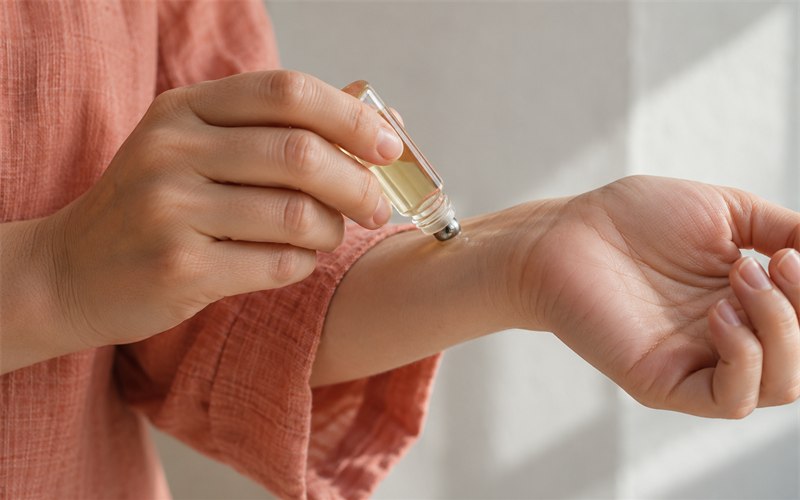
A brand may also adapt a fragrance for a new base, such as body mist, lotion, oil roll-on, shampoo, candle, or diffuser. The same scent idea needs different technical support in each format.
This is where evaluation on skin, blotter, fabric, and final product base becomes essential.
Why Fans Notice Reformulation
Long-time users remember small details. They may notice that a citrus opening feels thinner, a floral heart is cleaner, a mossy base is less earthy, or a musk trail has changed.
Memory also plays a role. An older bottle may have aged, concentrated slightly, or developed differently in storage. A new bottle may smell sharper at first and soften after maceration.
Still, consumer perception matters. If a reformulation changes the emotional signature, the brand should expect feedback.
How Brands Should Manage Reformulation
Brands should keep reference samples, formula records, supplier documents, stability notes, and approved evaluation language. Without a clear reference, every reformulation becomes guesswork.
The process should compare old and new versions on blotter, skin, fabric, and in the final product base. Multiple evaluators should check opening, heart, drydown, projection, sillage, and longevity.
When a change is meaningful, customer service teams need honest talking points. Overpromising that nothing changed can frustrate loyal users.
How Consumers Can Evaluate a New Bottle
Compare the new bottle with a well-stored older bottle if possible. Spray both on blotters and skin, then check after 15 minutes, 1 hour, 4 hours, and the next day.
Avoid judging only the first alcohol flash. Also check batch age and storage. A bottle that sat in heat or sunlight may no longer represent the original scent.
If the new version no longer suits you, samples and discovery sets are safer than assuming a favorite will always smell identical.
Where Scentake Helps
Scentake helps brands develop, adapt, and refine fragrance formulas for changing material, cost, safety, and performance requirements. We can support sample comparison, supplier communication, private-label reformulation, and format adaptation.
If you need to update a fragrance while preserving its recognizable character, contact Scentake with your current sample, target market, formula goals, and product format.