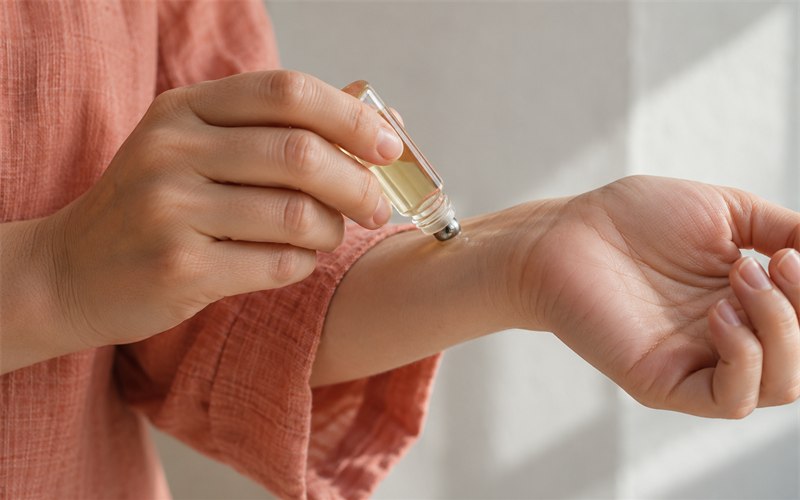

What Makes a Perfume Too Strong How to Balance Intensity Comfort and Occasion
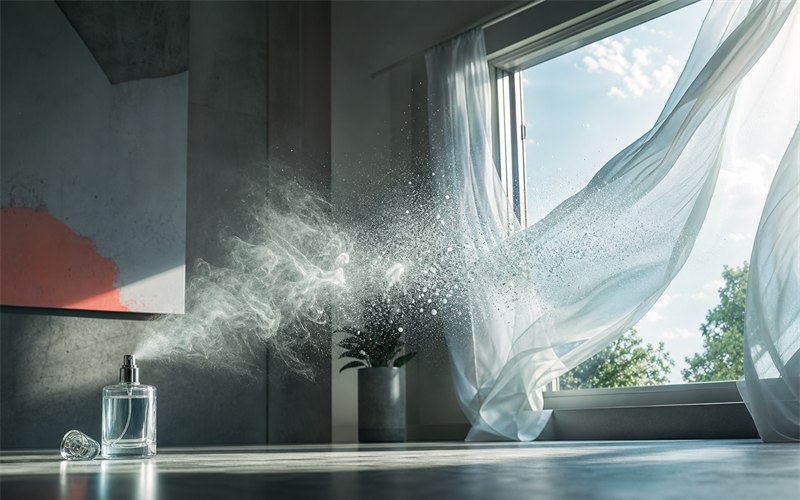
When a Beautiful Perfume Takes Over the Room
A fragrance can smell polished on a blotter and still feel overwhelming after three sprays in a warm car, a small meeting room, or a crowded restaurant. The problem may appear as a sharp opening that fills the air too quickly, a sweet accord that becomes dense after an hour, or a trail that remains noticeable long after the wearer has stopped detecting it.
A perfume feels too strong when its perceived intensity exceeds the comfort level of the wearer or the people sharing the space. Concentration contributes, although it is only one variable. Spray count, formula structure, projection, skin temperature, humidity, ventilation, application area, and distance from other people can all push a scent beyond the right level for the moment.
Core answer: a perfume becomes too strong when dose, diffusion, environment, and occasion fall out of balance. Start by reducing the number of sprays and moving application away from the neck. Then judge the fragrance after its opening has settled, in the actual space where you plan to wear it. A quieter dosage often preserves the character of the perfume while improving comfort.
What Creates the Feeling of Excessive Intensity?
People often use strong as if it described one fixed property. In practice, several sensations can produce that judgment. A perfume may project far, remain dense close to the skin, last for many hours, or contain a material that one person notices with unusual sensitivity. These are related experiences, yet they require different adjustments.
| What feels too strong | Likely driver | Useful first adjustment |
|---|---|---|
| A loud first 15 minutes | Large wet spray, volatile opening, application near the nose | Use one fewer spray and wait before entering a shared space. |
| A dense sweet cloud | High dose, warm skin, enclosed air, rich amber or gourmand structure | Apply lower on the body or under one layer of clothing. |
| A trail that fills the room | High diffusion or multiple application points | Keep sprays close together and reduce total dose. |
| A scent that becomes tiring | Continuous exposure near the face or sensitivity to a specific accord | Move application to the torso or back of the knees and take a fragrance-free break. |
| A perfume that bothers others | Space, ventilation, proximity, or individual sensitivity | Use a skin-close amount or skip fragrance for that setting. |
Projection, sillage, and longevity describe different parts of performance. A fragrance can last all day without dominating a room, while another can project strongly for an hour and then become quiet. Separating these ideas makes adjustment easier because the goal is rarely to erase the scent. The goal is to control where, when, and how strongly it is perceived.
Concentration Does Not Tell the Whole Story
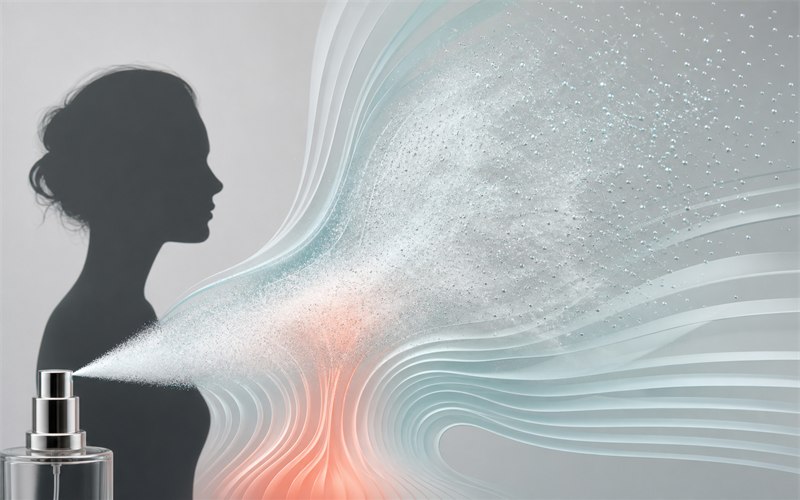
Labels such as eau de toilette and eau de parfum indicate a product style and often suggest a broad concentration range, yet they do not predict perceived strength on their own. A transparent eau de parfum may stay close to the skin. A lower-concentration composition built around highly diffusive materials can announce itself quickly across a room.
Formula architecture matters. Bright citrus and aromatic notes can create a forceful opening, even when they fade relatively quickly. Musks, woods, sweet amber effects, and some floral materials may build a persistent aura or remain highly noticeable to certain people. The carrier, atomizer output, and size of each spray also change the delivered dose.
A bigger spray is a bigger dose
Two bottles can deliver very different amounts with one press. A broad, wet atomizer covers more skin than a short, fine mist. Counting sprays is useful only when you also notice how much liquid each spray releases. Begin with one spray when testing an unfamiliar bottle, especially in hot weather or a confined environment.
Your nose adapts before the room does
Olfactory adaptation can make a familiar scent seem quieter to its wearer after repeated exposure. That does not prove the fragrance has stopped projecting. Adding more because you can no longer smell it may create an uncomfortable dose for everyone else. Ask a trusted person at a respectful distance, or leave the room briefly and reassess rather than spraying again immediately.
A Five-Step Way to Bring a Strong Perfume Back into Balance
- Start with one spray on clean, dry skin. Record the atomizer output and avoid layering scented body products during the test.
- Wait through the opening. Reassess after 20 to 30 minutes, when the wet alcohol effect and most volatile materials have settled.
- Change placement before abandoning the perfume. Move from the neck and chest to the torso, forearms, or lower body so the scent is farther from the nose.
- Match the dose to the space. Use less in cars, lifts, clinics, classrooms, aircraft, shared offices, and small dining rooms; open outdoor settings can tolerate a wider scent trail.
- Test on another day. Temperature, humidity, clothing, and skin condition can change diffusion, so one uncomfortable wear is useful evidence rather than a final verdict.
Avoid trying to scrub away a fresh application with aggressive rubbing. If the dose is immediately uncomfortable, wash the area gently with soap and water, change any affected clothing, and move into fresh air. For future wears, a travel atomizer can help you test a smaller, more controlled amount than the original sprayer delivers.
Comfort Depends on Occasion, Distance and Ventilation
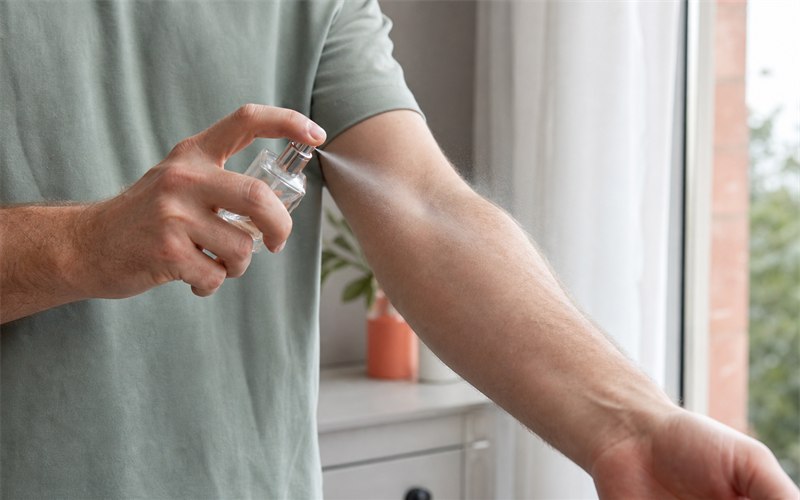
The same fragrance can feel elegant at an evening event and intrusive during a medical appointment. Occasion changes the acceptable scent radius. The closer people must sit, the less control they have over leaving the space, and the more restrained the application should be.
| Setting | Practical intensity target | Application approach |
|---|---|---|
| Shared office or classroom | Skin-close and unobtrusive | One light spray under clothing or consider going fragrance-free. |
| Dinner or close conversation | Noticeable only at personal distance | Keep application away from hands and the front of the neck. |
| Outdoor daytime event | Moderate trail with room to disperse | Start low; heat and movement can amplify projection. |
| Evening event | More presence may be appropriate | Build gradually and account for transport in enclosed vehicles. |
| Clinic, aircraft, or scent-sensitive space | Minimal to none | Respect posted policies and the limited ventilation or escape options. |
Courtesy is part of fragrance skill. If someone says a scent is uncomfortable, treat the information as a boundary rather than a debate about taste. Individual perception and sensitivity vary. A technically compliant product can still be unsuitable for a particular person or setting.
Strong Preference, Irritation and Sensitivity Are Different Issues
Disliking a powerful scent is not the same as having an allergic reaction. Fragrance can also trigger symptoms in some sensitive individuals, and a product applied to skin can cause irritation or allergic contact dermatitis in susceptible people. Stop using a product if it causes a rash, swelling, persistent burning, breathing difficulty, or other concerning symptoms, and seek appropriate medical advice.
For ordinary sensory overload, reducing exposure and moving into fresh air may be enough. Repeated headaches, asthma symptoms, or skin reactions deserve more careful attention. Avoid using the article as a diagnosis. A qualified clinician or dermatologist can assess symptoms and, when appropriate, investigate contact allergy.
Safety note: perceived strength does not establish whether a perfume is safe or unsafe. Fragrance safety depends on the complete formula, intended product category, exposure, target market, and applicable requirements. IFRA Standards can restrict or prohibit particular fragrance materials, while companies remain responsible for regulatory compliance and the safety of products they place on the market.
What Fragrance Brands Can Learn from ‘Too Strong’ Feedback
For product teams, strong is incomplete feedback. Ask what happened, when it happened, and under which conditions. Did the opening feel sharp? Did sweetness accumulate after an hour? Did the fragrance project too far in a small room? Did the wearer experience discomfort, or did the scent simply exceed the intended brand character? Each answer points to a different development decision.
Evaluation should use the final product base and the intended atomizer. Test panels need a consistent spray count, application distance, evaluation schedule, room conditions, and vocabulary. Include both immediate projection and later comfort. A formula that performs beautifully at one spray can be a stronger commercial result than a formula designed to remain pleasant only at an unrealistically high dose.
B2B development note: define an intensity brief with observable terms. Specify the desired scent radius, opening impact, drydown presence, climate, use occasion, atomizer output, and comparison products. Scentake can use that information during fragrance direction and sample evaluation discussions, while final performance and compliance still require assessment in the intended product and market.
Frequently Asked Questions
How many sprays are too many?
There is no universal number because atomizers, formulas, climates, spaces, and personal sensitivity differ. One spray is a sensible starting point for an unfamiliar perfume. Increase only after a full wear test, and use fewer sprays in enclosed or scent-sensitive environments.
Can I dilute a perfume that is too strong?
Avoid adding water, alcohol, or oil directly to the original bottle. Home dilution can affect clarity, stability, preservation, spray behavior, and safety assumptions. Control the dose through application instead, or ask the manufacturer whether a lighter concentration or related format is available.
Where should I spray a strong perfume?
Choose areas farther from the nose, such as the lower torso, forearms, or behind the knees. Applying under one layer of clothing may soften diffusion, although fragrance can mark delicate fabrics. Test a hidden area first and follow the product directions.
Does a strong perfume always last longer?
No. Initial intensity, projection, and longevity are separate performance dimensions. A bright fragrance may open loudly and fade sooner, while a quiet musk or woody base can remain detectable for many hours. Evaluate the scent at several time points rather than judging longevity from the first few minutes.
Let the Setting Decide the Final Dose
A strong perfume does not always need replacement. Often it needs a smaller dose, a different application point, or a more suitable occasion. Test one spray, wait for the opening to settle, and notice the scent from the distance at which other people will experience it.
For a fragrance project, translate intensity into a clear brief: target scent radius, climate, use setting, spray output, and the moment when the fragrance should feel most present. Scentake can discuss those variables during custom fragrance development and sample review. Bring the product base, target market, and comfort goal to the conversation so the first directions can be evaluated against real use.