

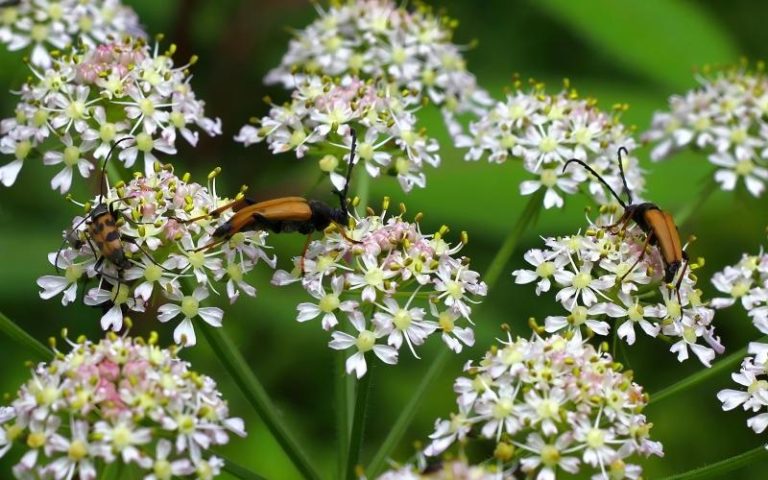
What is Angelica Lactone alpha?
In modern perfumery, some ingredients speak loudly. Others work quietly—but decisively—shaping texture, warmth, and realism within a formula. Angelica Lactone Alpha belongs firmly to the second category. Often unfamiliar outside formulation circles, Angelica Lactone Alpha is a key aroma molecule used to add creamy, musky, slightly vegetal warmth to fragrances and flavored scented products. For B2B buyers and perfumers, its value lies not in novelty, but in how efficiently it builds depth and continuity. Chemical Origin and Olfactory Profile Angelica Lactone Alpha is a lactone, a class of compounds known for their creamy, milky, coconut-like or musky characteristics. While its name references angelica…
What is IFRA compliance in perfumery?
In modern perfumery, creativity alone is no longer enough. A fragrance formula must also be safe, compliant, and globally marketable. This is where IFRA compliance becomes a non-negotiable requirement. IFRA compliance refers to a fragrance formula’s adherence to the standards issued by the International Fragrance Association (IFRA). These standards are designed to ensure the safe use of fragrance ingredients in consumer products, based on scientific risk assessment rather than aesthetic or marketing considerations. For brands, manufacturers, and distributors operating across borders, IFRA compliance is not simply a technical detail—it is a commercial gatekeeper. What Is IFRA and Why Does It Matter? The…
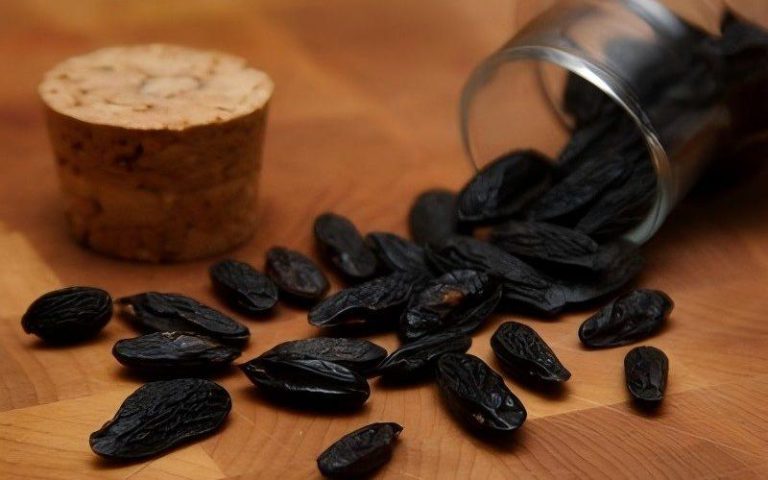
Coumarin – The Secret Ingredient To Many Scented Products
Behind the familiar warmth of vanilla, the softness of freshly cut hay, and the comforting sweetness found in countless scented products, there is often one quietly influential ingredient: coumarin. Rarely highlighted on a label, coumarin plays a foundational role in perfumery and functional fragrances alike. For brands, formulators, and product developers, understanding coumarin is not about trivia—it is about structure, performance, and commercial reliability. What Is Coumarin? Coumarin is an aromatic organic compound first isolated in the 19th century from tonka beans (Dipteryx odorata). Naturally occurring coumarin can also be found in cinnamon, sweet clover, lavender, and certain grasses. Olfactorily, coumarin…

What Are Aldehydes and How Are They Used In Perfumery?
Aldehydes are among the most transformative materials in modern perfumery.They are not always obvious on a blotter, rarely dominate marketing narratives, and yet they quietly shape some of the most iconic fragrances in the world. For fragrance brands and formulators, understanding aldehydes is not a matter of style—it is a matter of structure, performance, and commercial relevance. In global fragrance development, aldehydes serve as tools for brightness, diffusion, abstraction, and longevity. Their role becomes even more critical when balancing regulatory constraints, cost efficiency, and large-scale production. What Are Aldehydes? From a chemical perspective, aldehydes are organic compounds characterized by a…

Natural vs Synthetic fragrance ingredients
In today’s fragrance industry, the question is no longer whether natural or synthetic ingredients are “better.”For brands operating in global markets, the real issue is how each category performs across regulation, scalability, cost control, stability, and olfactory consistency. As sustainability claims, regulatory pressure, and consumer expectations continue to evolve, understanding the technical and commercial realities behind natural and synthetic fragrance ingredients has become essential—especially for B2B buyers responsible for long-term product viability. What “Natural” and “Synthetic” Mean Natural Fragrance Ingredients Natural fragrance materials are derived from botanical, animal, or mineral sources through physical processes such as steam distillation, cold pressing,…
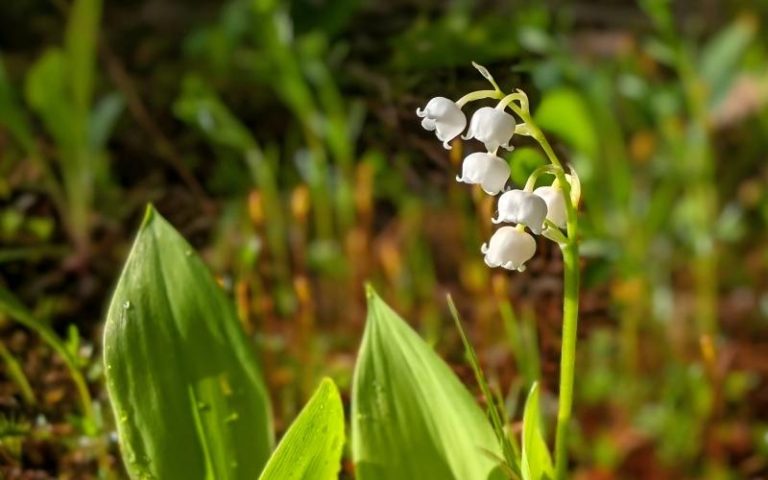
Is Lilial banned in perfume?
In recent years, regulatory scrutiny on fragrance ingredients has increased substantially. One ingredient at the center of industry discussion is lilial—a synthetic aromatic aldehyde once widely used in perfumery for its clean, floral scent reminiscent of lily of the valley. But in regulatory circles, “banned” is a specific status. It’s not about marketing claims or trends; it’s about safety evaluations, compliance timelines, and legal frameworks. Understanding lilial’s regulatory trajectory is crucial for fragrance brands, product developers, and procurement teams navigating global markets. What Is Lilial? Lilial—also known as butylphenyl methylpropional—has historically been used as a key floral note in a…

The Profound Charm Of Winter Fragrances
Cold air alters volatility. Molecules move more slowly, diffusion narrows, and projection shortens. What disappears quickly in summer lingers in winter, unfolding with deliberation rather than exuberance. This physical reality reshapes perception: notes feel closer to the skin, transitions slow, and nuances once overlooked become legible. Research in sensory science consistently shows that lower ambient temperatures reduce evaporation rates, extending perceived longevity and emphasizing base structures over fleeting top notes. At this point, Longevity becomes functional rather than boastful; density replaces sparkle. A winter composition is designed to persist through coats, scarves, and long hours indoors. Emotional presence matters more than…

The Warmth And Texture Of Autumn Fragrances
Autumn fragrances are built around a fundamental shift in sensory priorities. As temperatures drop and the air gains density, scent no longer needs to evaporate quickly or remain weightless. It can linger. It can settle. It can develop texture. At its core, an autumn fragrance balances warmth with complexity. Comfort becomes essential, but simplicity is not the goal. Instead, fall compositions often emphasize layered structures that unfold gradually, mirroring the slower pace of the season itself. The air is heavier, diffusion is reduced, and this allows richer materials to express themselves without overwhelming the wearer. This is why autumn scent…

A transparent expression of summer fragrance
What feels comforting in cooler months becomes oppressive when temperatures rise. In heat, fragrance must behave differently. It must breathe. It must hover rather than cling. This is where transparency replaces intensity. Summer scent is no longer about projection or density, but about atmosphere—an olfactory presence that moves like warm air across skin. Olfactory Signatures of Summer Fragrances Citrus appears not as sharp zest but as luminosity—bergamot, mandarin, and petitgrain softened by musks or light woods. Aquatic and mineral facets suggest salt air and sun-warmed skin without resorting to heavy marine accords. The goal is moisture, not ocean. Green notes…