

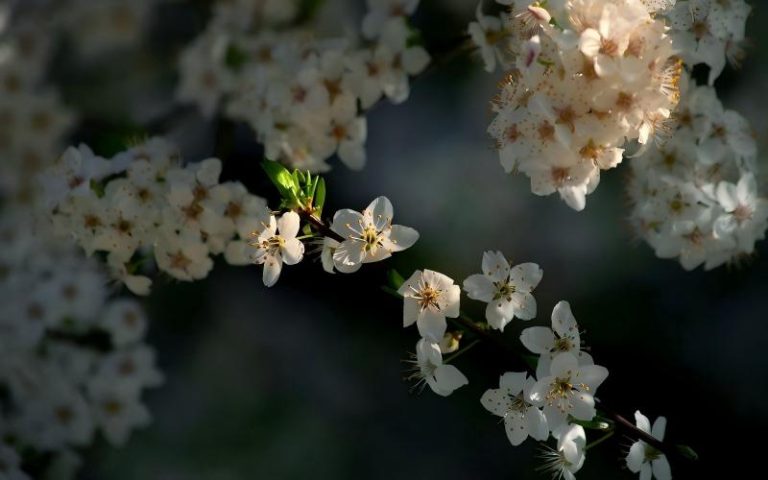
Stepping Into The Light World Of Spring Fragrances
This seasonal transition reshapes olfactory expectations. Consumers instinctively seek fragrances that feel lighter on the skin, less insistent, and more fluid in their progression. Movement becomes as important as scent itself. A spring fragrance is not static. It unfolds quietly, aligning with the sense of forward momentum that defines the season. Spring fragrances resist the resinous depth and heavy sweetness associated with colder months. They aim instead for clarity and openness, creating the impression of space around the wearer. This aesthetic prioritizes subtle contrast rather than bold statements, favoring compositions that feel effortless and unforced. The Olfactory Characteristics of Spring…

A Perfumer’S Guide To Choose A Fresh Clean Laundry Fragrance
A “fresh clean laundry” scent is rarely about literal realism. In modern perfumery, it refers to an abstracted sensation: brightness without sharpness, softness without sweetness, cleanliness without sterility. It evokes freshly washed fabric, air-dried cotton, and skin warmed by sun rather than soap suds or detergent foam. The Core Olfactory Building Blocks Aldehydes are often the first impression. Used judiciously, they provide lift, sparkle, and an illusion of space. Overused, they veer metallic or waxy. Their role is to open the structure, not define it. White musks form the backbone. Modern laundry accords rely heavily on clean, low-animalic musks to create softness,…
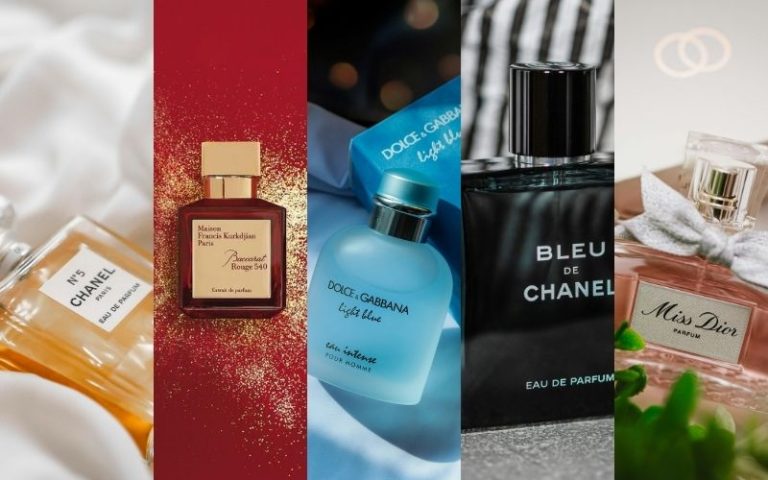
What Are The Five Best-Selling Perfumes?
Bleu de Chanel Eau de Parfum Bleu de Chanel frequently tops revenue charts in fragrance sales, generating over $1.2 billion in global revenue in the first half of 2025 alone according to NPD Group data, reflecting its broad appeal across demographics and occasions.This woody-citrus fragrance blends bright citrus and spicy ginger with warm sandalwood, positioning it as an enduring versatile mainstream favorite. Light Blue (Dolce & Gabbana) Appearing regularly among top sellers, Light Blue’s bright lemon and jasmine profile resonates with consumers who favor fresh, easy-to-wear compositions.Its seasonal appeal and accessibility contribute significantly to its ranking in several industry lists. Miss…
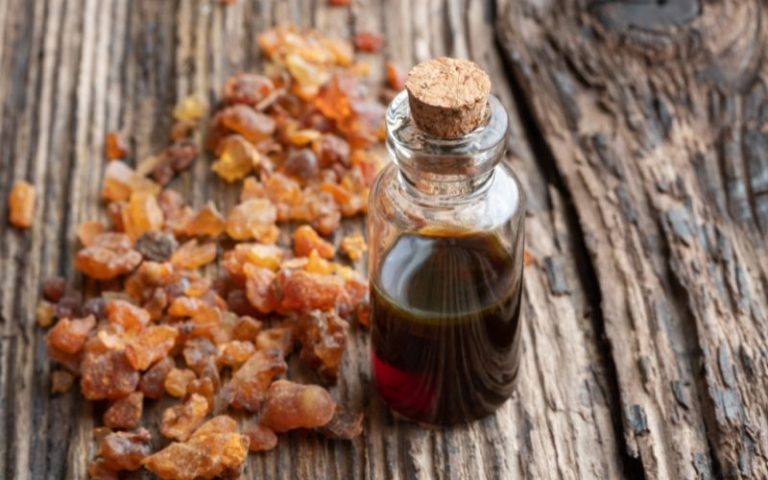
What Is Myrrh And Its Role In Perfume?
Myrrh is one of perfumery’s oldest accomplices. Dark, resinous, and quietly commanding, it resists simplification. At a glance, myrrh is a natural aromatic resin, but in practice, it is a material layered with history, chemistry, and emotion. Despite the industry’s obsession with innovation, myrrh has never fallen out of favor. Modern perfumery continues to rely on it for depth, gravitas, and olfactory architecture. It anchors compositions that might otherwise feel fleeting or hollow. From temple rituals thick with smoke to sterile contemporary fragrance laboratories, myrrh has crossed millennia without losing relevance. Few materials can claim such continuity. What Exactly Is…

What Is The Number One Perfume In Brazil?
Brazil is one of the largest fragrance markets in the world, not only by volume, but by frequency of use and cultural penetration. Perfume is not reserved for special occasions. It is worn daily, often reapplied, and deeply embedded in social routines. This scale alone makes the idea of a single number one perfume inherently complicated. Popularity in Brazil shifts dramatically depending on geography, climate, and context of use. A fragrance favored in a humid coastal city may perform very differently in a drier inland region. Daytime work environments, nightlife, and family settings each impose their own expectations on scent…
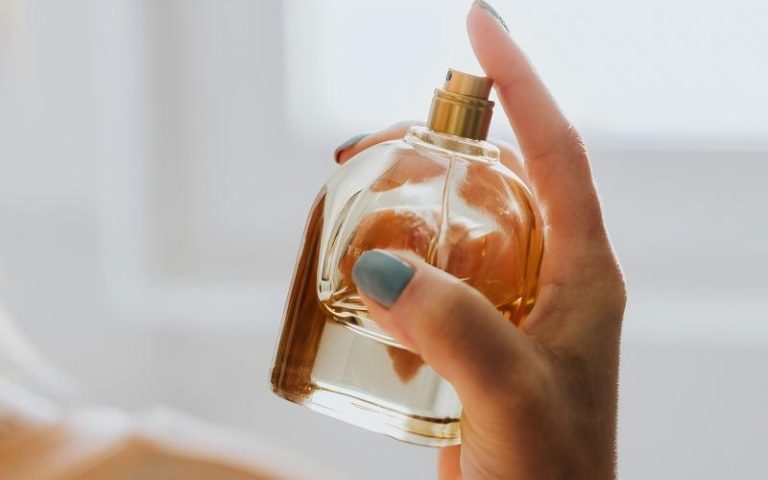
What Is The Strongest Fragrance And How Long Does It Last?
The concept of a “strong” fragrance is often discussed with certainty and little precision. Some equate strength with overwhelming intensity. Others define it by how long a scent clings to skin, fabric, or memory. In reality, fragrance strength is a multifaceted construct shaped by chemistry, composition, and context. Understanding it requires moving beyond marketing terminology and into the mechanics of perfumery itself. What Really Mean by “Strongest Fragrance” When most people ask for the strongest fragrance, they are usually seeking one of three outcomes. They want a scent that lasts all day. They want something that projects noticeably into the…
What are the 5 stages of fragrance & how to describe fragrance?
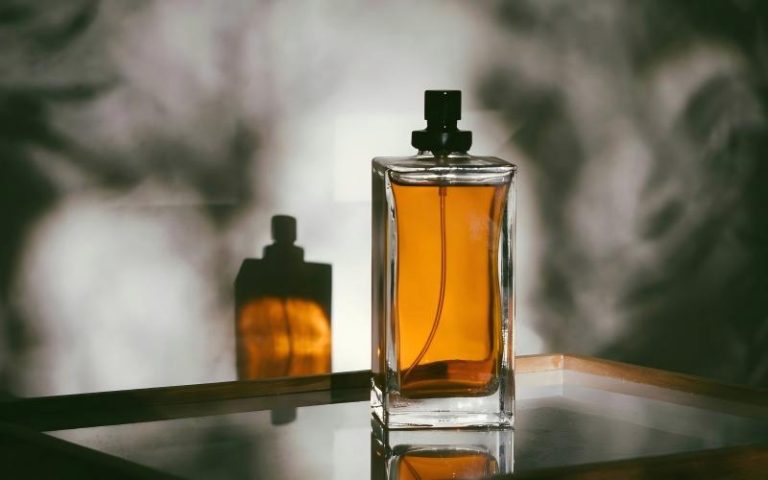
A fragrance is never static. The moment it touches skin, it begins to transform. Heat, moisture, chemistry, and time all collaborate to alter its character, sometimes subtly, sometimes dramatically. This constant evolution explains why a perfume can smell crisp at first and velvety hours later. Chemistry plays a decisive role. Skin pH, body temperature, and natural oils influence how quickly each stage unfolds. This is why the same fragrance may feel luminous on one person and subdued on another. The stages remain consistent in theory, yet personal in practice. Stage One: The First Impression or Opening The opening occurs within…
Which is stronger, cologne or perfume & how to use cologne correctly?
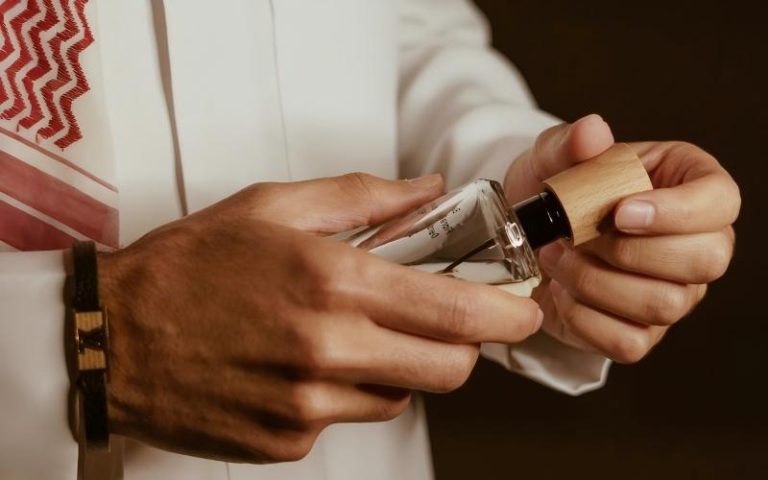
Cologne originated from Eau de Cologne, a citrus-based fragrance style developed in 18th-century Europe. It was designed to be refreshing, volatile, and liberally applied. Its purpose was invigoration rather than endurance. Perfume, on the other hand, refers to both a category and a concentration. In technical terms, it denotes a fragrance with a higher proportion of aromatic oils suspended in alcohol. Over time, naming conventions shifted. In some regions, cologne became synonymous with men’s fragrance, regardless of concentration. Modern marketing further blurs the distinction. Labels often prioritize appeal over accuracy, making it essential to understand what lies beneath the name.…

What is fragrance also known as & When to use the word fragrance?
Fragrance is everywhere. On bottles, in advertisements, across ingredient lists, and woven into everyday conversation. Yet despite its ubiquity, the language surrounding fragrance remains surprisingly opaque. Words like perfume, scent, aroma, and smell are often used interchangeably, creating ambiguity where clarity should exist. What Is Fragrance Also Known As? Exploring Common Alternatives Fragrance is commonly referred to as perfume, scent, aroma, or even odor, depending on context. While these words overlap, they are not synonymous. Perfume typically denotes a finished product designed to be worn on the body. Scent is more experiential, describing how something smells to an individual. Aroma…