

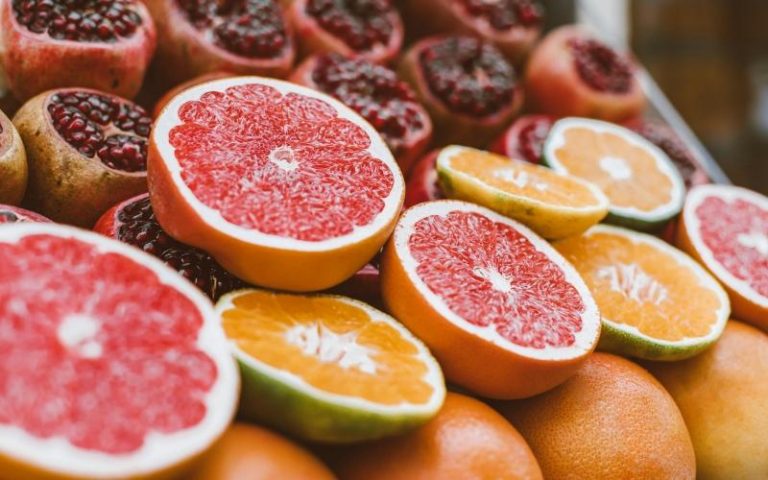
Citral
Citral Citral is a linear aldehyde aroma component with a strong, fresh lemon scent. Its aroma is bright, clean, and highly sillage, making it a core ingredient in citrus and fresh fragrance formulations. Its aroma is highly recognizable and is often used to create a “fresh, lively, and natural” olfactory impression. Type Fruity The scent is bright, sharp, and clear, presenting a refreshing, tart aroma reminiscent of natural lemon peel, accompanied by subtle grassy notes and an aldehyde undertone. It has a significant uplifting effect and a very strong top note performance. Acquisition Methods Natural extraction or chemical synthesis Citral…
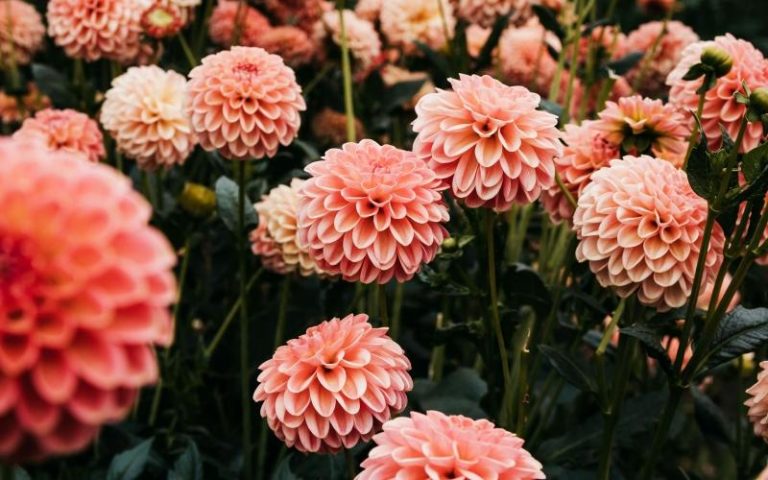
Indole
Indole Indole is a nitrogen-containing heterocyclic aromatic compound, originally discovered in indigo dye, and naturally found in various plants (such as jasmine and orange blossom) and animal secretions. In the fragrance and flavor industry, indole holds an important position due to its unique aroma: at low concentrations, it can present a rich floral scent, particularly close to the fragrance of jasmine; while at high concentrations, it has a strong fecal and animalistic odor. Type Floral The “true floral soul” in jasmine, orange blossom, and tuberose. Acquisition Methods Natural extraction or chemical synthesis It is found in natural essential oils such…
Methyl Anthranilate
Methyl Anthranilate Methyl anthranilate is a classic fragrance molecule that combines natural notes with precise laboratory synthesis. It is naturally found in orange blossom, grape, and jasmine, thus possessing a familiar fruity-floral blend. The initial scent evokes the sweet juice of ripe grapes, followed by a light floral note reminiscent of orange blossom and a delicate powdery texture. Often called the “soul of grape fragrances,” it can impart a realistic fruity quality to food and beverages, and create a romantic, soft, and slightly mysterious atmosphere in perfumes. Type Fruity Characterized by grapes, purple grape juice, and grape soda, with hints…
Benzyl Acetate
Benzyl Acetate Benzyl acetate is an aromatic ester compound commonly used in perfumes, detergents, and personal care products, possessing a sweet fruity and floral aroma. It is widely found in the essential oils of plants such as jasmine, apple, and peach, and is a common fragrance ingredient in perfumes and fragrance products. Benzyl acetate not only adds sweet fruity and floral layers to perfumes but also enhances the diffusion and persistence of other fragrance components. Type Fruity It is characterized by the sweet, bright fruitiness of bananas, pears, and ripe apples, with a distinct floral fragrance. Acquisition Methods Natural extraction…
Methyl Dihydrojasmonate
Methyl Dihydrojasmonate Methyl dihydrojasmonate is a synthetic aromatic chemical widely used in perfumes and fragrance products, characterized by a soft jasmine scent. Belonging to the jasmone family of compounds, it is a key ingredient in high-end perfumes due to its ability to provide a jasmine-like aroma. The fragrance of methyl dihydrojasmonate blends fruity and floral notes, offering both warmth and freshness, making it a common ingredient in modern perfumes and personal care products. Type Floral Jasmine, a white floral scent, is an airy, diffused fragrance with fresh notes of green apple, pear, and tropical fruits. Acquisition Methods Natural extraction or…
Lilial
Lilial Lilial (phenylmethylpentylpropionaldehyde) is a synthetic fragrance ingredient with a fresh, floral, and fruity aroma, commonly used in perfumes and personal care products. It is an aromatic aldehyde with characteristics similar to jasmine and lily of the valley, making it very popular in floral fragrances. Due to its unique scent and long-lasting fragrance, lilial is widely used by perfumers, especially in the middle and base notes. Type Floral Lily of the valley, white flowers, and powdery floral notes, it’s soft, sweet, and very pleasant, yet not overpowering. Acquisition Methods Natural extraction or chemical synthesis Although it can be obtained from…
Hydroxycitronellal
Hydroxycitronellal Hydroxycitronellal is a synthetic fragrance ingredient commonly used in perfumes and fragrances, possessing a fresh, sweet floral and citrus aroma. It is a derivative of citronellal, with distinctive fragrance characteristics, and is widely used in perfumes, personal care products, and cleaning agents. Due to its soft floral and woody notes, it is often used as a middle or base note fragrance ingredient to enhance the complexity and depth of the product. Type Floral The lily of the valley scent is clean, soft, and very powdery, like the classic “clean white shirt” fragrance. Acquisition Methods Natural extraction or chemical synthesis…
Citronellol
Citronellol Citronellol is a natural monoterpene alcohol, primarily found in the essential oils of plants such as citronella, lemongrass, and rose, possessing a fresh, sweet citrus aroma. Citronellol is widely used not only in perfumes, personal care products, and detergents, but also in mosquito repellents due to its natural insect-repellent properties. It exhibits multiple biological activities, including antibacterial, antioxidant, and anti-inflammatory properties, thus finding wide application in skincare. Type Floral Based on rose and lily of the valley floral notes, with a distinctly fresh fruity quality. Acquisition Methods Natural extraction or chemical synthesis Extracted from plants such as thatch, lemongrass,…
Farnesol
Farnesol Farnesol is a natural terpene alcohol with a sweet floral and woody aroma, widely used in perfumes, cosmetics, and personal care products. It is primarily extracted from the essential oils of plants such as rose, orange blossom, and lemongrass, and is a core ingredient in many plant fragrances. Due to its excellent aroma properties and bioactivities such as antibacterial and antioxidant effects, farnesol has become an indispensable ingredient in the fragrance and cosmetics industry. Farnesol exhibits good stability and fragrance longevity, therefore it is often used in middle and base notes, especially in floral and woody perfumes, where it…