
How to Store Perfume So It Doesn’t Go Bad: Heat, Light and Shelf Life
Perfume usually ages quietly before it smells obviously wrong
A perfume rarely turns bad overnight. More often, its bright opening becomes flat, its colour deepens, or the drydown starts to feel heavier than the original composition. Heat, ultraviolet light, oxygen and repeated temperature swings can all speed up those changes. The good news is that careful storage protects most finished perfumes far better than most people expect.
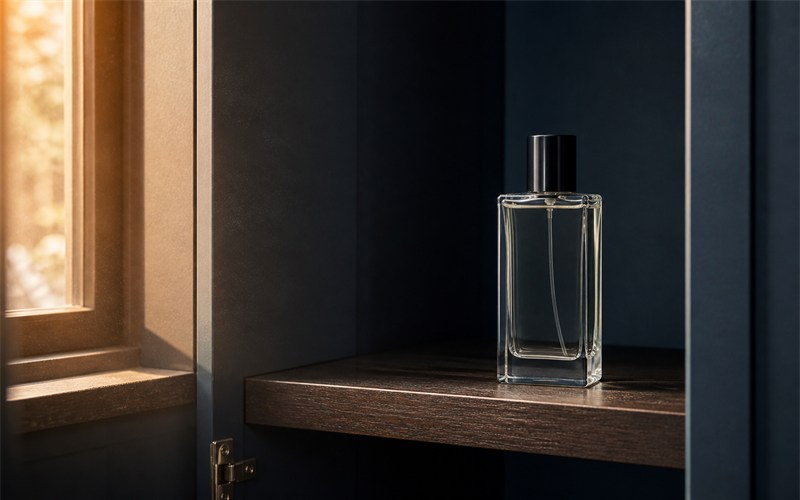
Key takeaway: Store perfume upright in a cool, dark, stable place, ideally in its original box or a closed cabinet. Heat and direct light are the main avoidable risks. Refrigeration is rarely necessary for an opened alcohol perfume and can create condensation or repeated temperature stress if used inconsistently.
The practical goal is stability, not a perfect laboratory environment. A drawer away from a radiator, a bedroom cabinet, or a shaded shelf generally works better than a sunny bathroom ledge. This matters for consumers, and it also matters for brands developing a product that must retain its intended character through shipping, warehousing and everyday use.
Why heat, light and air change a perfume
A fragrance composition is a balance of materials that evaporate at different speeds. Heat can increase volatility and encourage reactions that gradually change delicate top notes. Light can accelerate degradation in susceptible materials and can also affect colour. Oxygen enters gradually after opening, especially when a bottle is stored half-empty for a long time. None of these factors guarantees failure, yet together they can move a perfume away from its intended profile.
Citrus, green, aldehydic and some botanical facets can be the first to lose their sparkle. Resinous, vanilla, amber or woody materials may remain more noticeable, making an aged perfume seem sweeter, darker or less transparent. The precise result depends on the formula, alcohol level, antioxidant system, bottle, closure and storage history.
Where to keep perfume at home
The best storage spot is usually boring. Choose a location with modest, stable temperature and limited light. Keep the cap secured, stand the bottle upright, and avoid carrying it repeatedly between very hot and very cool rooms. A perfume does not need to be hidden away forever; it simply needs fewer environmental shocks.
| Storage place | What it does well | Main concern |
|---|---|---|
| Closed bedroom cabinet | Dark, usually stable, easy to access | Keep away from a heater wall |
| Original carton in a drawer | Good light protection and low handling | Check that the drawer is not humid |
| Bathroom shelf | Convenient for routine use | Steam and temperature cycling can add stress |
| Sunny windowsill or car | None for storage | Strong heat and light exposure |
For a frequently used bottle, a closed cabinet is often the best compromise. For a backup bottle or a limited release that you want to keep longer, leave it sealed in its carton and place it in a dark, dry interior storage area.
Does perfume belong in the refrigerator?
For most alcohol-based perfumes, routine refrigeration is unnecessary. A consistently cool refrigerator may suit a sealed backup in a very hot climate, though the benefit is easily reduced by taking the bottle in and out every day. Repeated changes in temperature can create condensation around the pack and add avoidable handling risk.
Oil perfumes, natural-heavy compositions and water-containing fragrance products can behave differently. Their storage advice should come from the brand or manufacturer, particularly where clouding, wax crystallisation, colour change or packaging compatibility are known concerns. Avoid freezing any fragrance product unless its supplier has explicitly specified that condition.
How long can an unopened or opened perfume last?
An unopened perfume stored well can often remain enjoyable for several years, although there is no single expiry date that applies to every formula. Once opened, oxygen exposure and use conditions become more relevant. A carefully stored bottle may still smell close to its original character for years; a bottle exposed to heat and sunlight can change much sooner.
Instead of treating shelf life as a fixed countdown, compare the liquid with your earlier memory of it. Notice changes in opening, colour, clarity and spray behaviour. For a commercial product, stability evaluation is more rigorous: the formula, bottle, pump, cap, label, transport route and target climate all need consideration together.
Signs that a perfume may have changed
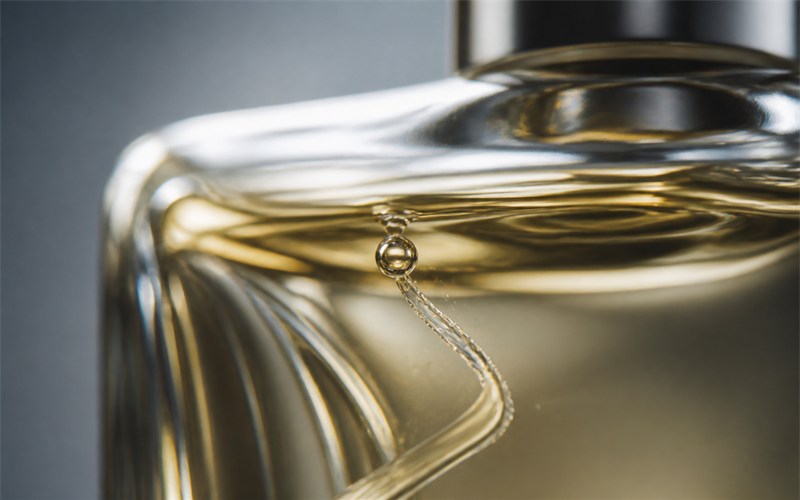
A darker liquid alone does not prove that a perfume is unusable. Some materials naturally deepen over time, and coloured glass can make comparison difficult. Look for a combination of changes instead: a sour, metallic or unusually stale opening; visible cloudiness or sediment where the product was previously clear; a sticky or weak spray; or a profile that has clearly lost its original balance.
Common misconception: A darker perfume has automatically “gone bad.” Colour can shift for several reasons. The more useful question is whether the scent, clarity and application behaviour have changed enough to alter the intended experience.
If the product looks or smells clearly different, stop using it on skin until you have assessed it. When in doubt, test a small spray on a blotter first. If an unusual odour, irritation or package damage is present, discontinue use and follow the brand’s disposal guidance.
What brands should test before setting a shelf-life claim
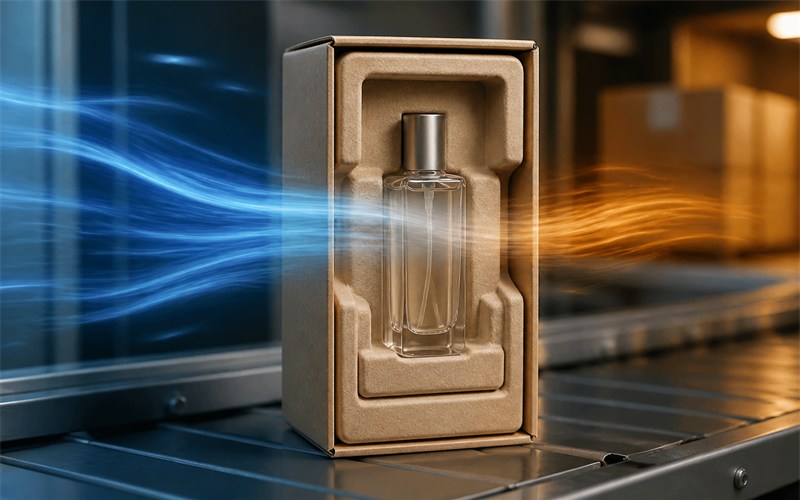
For a brand, storage advice starts much earlier than the retail shelf. A perfume should be assessed in its final bottle and closure, with attention to leakage, spray performance, colour, odour, compatibility and transport conditions. The packaging is part of the fragrance system. A beautiful bottle that allows light exposure or an unstable pump can change the customer experience even when the fragrance concentrate itself is sound.
Target market and product category also matter. The IFRA Standards use intended end-use categories and complete finished-product concentrations, so a fragrance’s safe use should be evaluated for the actual application. Scentake’s guide to an IFRA certificate explains why this document is tied to a defined use rather than a generic claim about one ingredient.
For fragrance buyers: provide the bottle material, closure, alcohol or oil base, target markets, shipping conditions and expected storage period with the scent brief. That information helps a development team plan meaningful compatibility and stability work instead of guessing from a blotter alone.
A simple storage routine that preserves the scent
- Keep the bottle upright and close the cap after use.
- Store it in a shaded cabinet, drawer or carton rather than in direct sun.
- Avoid bathrooms, cars and windowsills when they become hot or humid.
- Use a blotter to check an older bottle before deciding that it has changed.
- For a product launch, evaluate fragrance and packaging together under realistic storage and transport conditions.
If you are developing a fragrance product, explore Scentake’s custom fragrance development process with the intended product base and package already defined. A clear brief makes it easier to protect the scent from sample approval through shipment and repeat orders.
Questions people often ask
Can I keep perfume in the bathroom?
You can, though it is rarely the best location if the room becomes hot or steamy. A closed bathroom cabinet away from the shower is better than an open shelf. A bedroom drawer or interior cabinet normally offers more stable conditions.
Should perfume be stored in its box?
The original box adds useful protection from light and dust, particularly for a backup bottle. It is optional for a bottle you use often, provided the bottle itself stays in a dark, stable place with the cap secured.
Can heat ruin perfume in one day?
One warm day does not automatically ruin a perfume, although intense heat in a car or direct sun can be harsh. Repeated exposure and long storage in hot conditions create more concern than a brief, unavoidable temperature rise.
What should I do with an old perfume that smells wrong?
Do not keep applying it to skin. Check it first on a blotter, then follow local disposal guidance and the brand’s advice. Do not pour large amounts of alcohol-based fragrance down a drain without checking local household-hazardous-waste rules.
Protect the composition, then protect the customer experience
Thoughtful storage is a small habit with a real payoff. For consumers, it keeps a favourite scent closer to the version they chose. For fragrance brands, it reinforces a larger discipline: formula, package, logistics and usage conditions should support one consistent experience. To discuss a new fragrance brief or a stability question, contact Scentake with your product format, target market and packaging direction.