
How to choose perfume and where should you apply it?
Understanding Perfume Basics Before You Choose
Perfumes are organized into fragrance families that provide a useful starting point. Floral scents emphasize blossoms and softness. Woody fragrances feel grounded and dry. Oriental compositions are rich, warm, and often resinous. Fresh scents lean toward citrus, aquatic, or green notes, while gourmand fragrances evoke edible warmth such as vanilla or caramel.
Every perfume unfolds in stages. Top notes appear first and evaporate quickly. Heart notes define the character of the fragrance once it settles. Base notes anchor the scent and determine how long it lasts. Understanding this progression prevents premature judgments.
Concentration also matters. Parfum offers depth and longevity. Eau de Parfum balances strength and wearability. Eau de Toilette and Eau de Cologne are lighter and more transient. Higher concentration does not mean better, only different.
There is a difference between liking a scent and wearing it well. A perfume can smell pleasant in the air yet feel discordant on skin. Compatibility is as important as appeal.
How to Choose Perfume That Truly Suits You
Perfume should reflect lifestyle and temperament. Active, minimalist routines often suit fresh or woody profiles. Expressive personalities may gravitate toward complex orientals or bold florals. The goal is coherence, not contrast.
Skin chemistry plays a decisive role. Body temperature, hydration level, and natural oils affect how a fragrance develops. Warmer skin amplifies sweetness and spice. Cooler skin often preserves freshness longer.
Daytime perfumes tend to be lighter and more restrained. Evening fragrances allow for depth, projection, and sensuality. Wearing them interchangeably can feel mismatched.
Seasonality also influences performance. Heat intensifies scent molecules, while cold air suppresses them. What feels perfect in winter may become cloying in summer.
Testing should always happen on skin. Apply once, wait several hours, and observe the dry-down. Immediate impressions rarely tell the full story.
Common Mistakes People Make When Choosing Perfume
One of the most frequent mistakes is deciding based on the first spray. Top notes are designed to attract attention, not define longevity or character.
Blind buying based on hype or packaging often leads to disappointment. Visual appeal does not guarantee olfactory compatibility.
Another error is choosing perfume to please others. While compliments can be gratifying, fragrance should primarily satisfy the wearer.
Overpowering scents in enclosed or professional environments create discomfort rather than admiration. Context matters as much as composition.
Where Should You Apply Perfume for Best Results
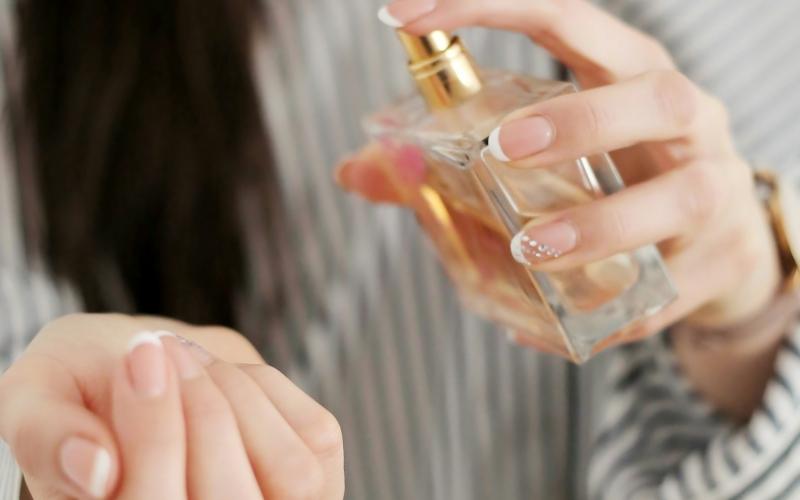
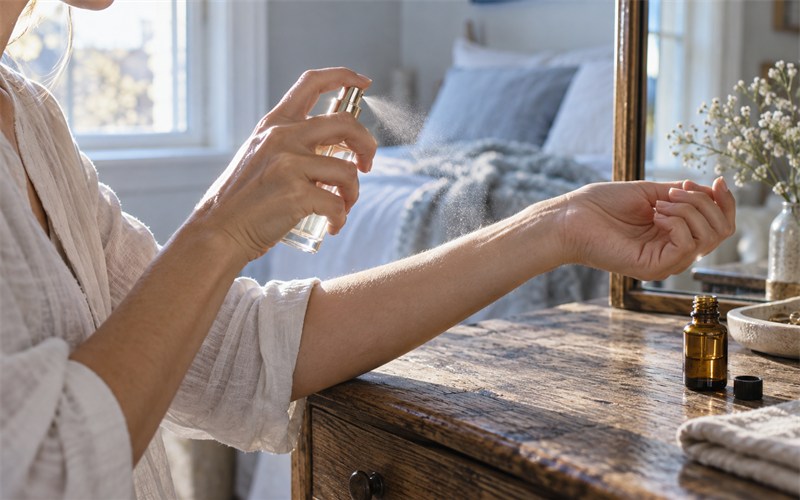
Perfume performs best on pulse points. These areas emit warmth, which helps diffuse scent molecules gradually.
Classic locations include the neck, wrists, and behind the ears. These areas provide consistent heat and controlled projection.
Less obvious but effective spots include inner elbows, collarbones, and even behind the knees. These placements offer subtle diffusion without excess.
Hair and clothing can hold fragrance longer, but caution is necessary. Alcohol-based perfumes may dry hair or stain fabric. Light application is essential.
How Application Technique Affects Scent Performance
More sprays do not equal better performance. Two to four sprays are sufficient for most fragrances. Precision outperforms excess.
Rubbing wrists together disrupts molecular structure and accelerates evaporation. Let the perfume settle naturally.
Spraying from a moderate distance allows even distribution. Too close concentrates alcohol; too far wastes product.
Layering enhances longevity. Unscented lotions or oils create a receptive surface, allowing fragrance molecules to bind more effectively.
Adjusting Perfume Application for Different Occasions
In professional environments, discretion is key. One or two sprays at low pulse points maintain presence without intrusion.
Evening events permit stronger projection. Additional sprays on the neck or chest create depth suitable for open spaces.
During travel or in hot climates, lighter application prevents scent fatigue and discomfort. Fresh compositions perform best.
Minimalist approaches favor subtlety. Statement scents demand confidence and controlled application. Both have their place.
Making Your Perfume Last Longer on Skin
Moisturized skin retains fragrance more effectively than dry skin. Applying perfume after lotion increases adherence and longevity.
Reapplication should be discreet. A single spray to a pulse point is usually sufficient to refresh the scent.
Choosing fragrance families known for endurance—woody, oriental, and gourmand—supports all-day wear.
Storage also affects longevity. Perfume should be kept away from heat, light, and air exposure to preserve integrity.
Selecting the right perfume is only half of the equation. Application determines how that choice is experienced by both wearer and others.
Balancing personal taste with thoughtful technique creates harmony rather than excess.
When chosen and applied with intention, perfume becomes effortless. Authentic. And unmistakably yours.