
Why Fragrance Oils Discolor Soap: Vanillin, Bases and Testing Methods
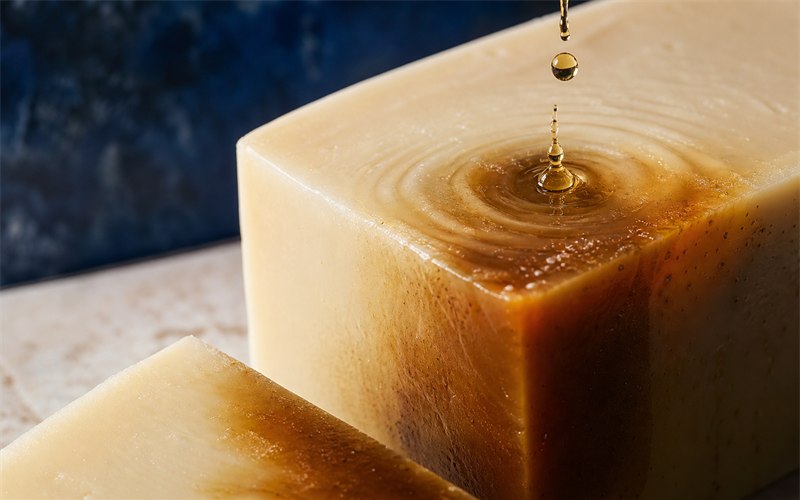
The Color Change Often Starts After the Soap Looks Finished
A freshly poured soap can look cream, pink, or bright blue, then move toward tan or deep brown during the next several days. The fragrance may smell exactly as expected. The visual shift still matters because it can obscure a swirl, alter a label claim, or make production batches appear inconsistent.
Core answer: fragrance oils often discolor soap because vanillin and certain other aroma materials develop color through reactions encouraged by air, alkalinity, heat, and time. The final shade depends on the fragrance dosage, the complete fragrance composition, the soap base, processing conditions, colorants, and storage. A controlled base-specific test is more reliable than the fragrance name alone.
Vanilla, bakery, amber, gourmand, and some fruity or floral fragrances are common suspects, yet a product name cannot reveal its formula. Supplier performance notes and vanillin content remain predictions until the fragrance is tested at its intended dosage and base.
How Vanillin Develops Brown Color in Soap
Vanillin is an aromatic aldehyde used for its sweet, creamy, powdery vanilla character. Scentake’s vanillin ingredient profile notes that the material is sensitive to strong alkaline environments. Soapmaking combines that chemical sensitivity with oxygen, process heat, and time, so pale soap can gradually develop beige, caramel, or brown tones.
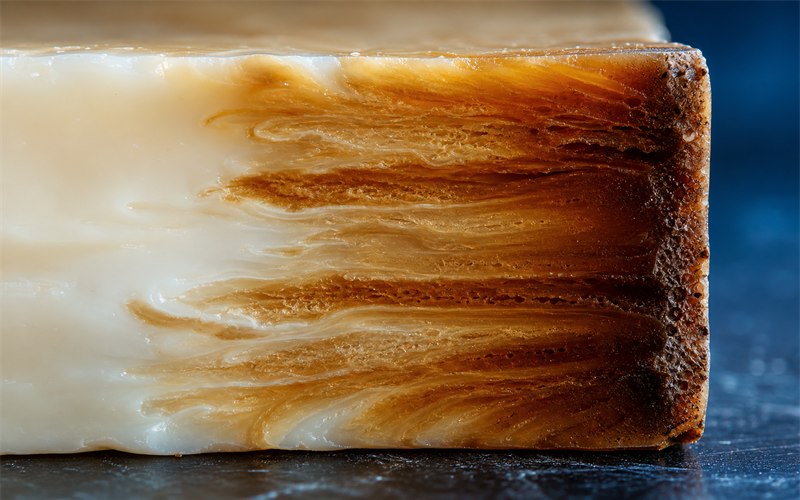
Bramble Berry’s practical discoloration guide shows color beginning on air-exposed surfaces and moving inward. A freshly cut center may look lighter before it darkens.
Higher vanillin content often increases darkening risk, but there is no universal percentage-to-color conversion. Other fragrance materials can also discolor, so a zero vanillin declaration does not guarantee a permanently white bar.
Vanillin Content Is a Clue, Not a Finished-Color Specification
Supplier data may state a vanillin percentage. Use it to rank risk and plan experiments, rather than as a promise of one brown shade. Fragrance dosage and the complete formulation still determine what the customer sees.
| Input | What it helps predict | What still needs testing |
|---|---|---|
| Supplier vanillin content | Relative discoloration risk within a fragrance range | Final shade and development time |
| Soap performance notes | Observed behavior in the supplier’s stated base and method | Your formula, process, colorants, and package |
| Fragrance dosage | How much discoloring material enters the batch | Odor strength, color, stability, and compliant use level |
| Initial pour color | Day-zero appearance | The mature color after cure or storage |
The Soap Base Changes the Result
Cold process soap exposes fragrance to an alkaline system and a multiweek cure. Gel phase and retained heat can change the pace of color development. Hot process follows another thermal history, yet adding fragrance after the cook does not prevent later discoloration.
Melt-and-pour base composition and opacity still matter. Clear base reveals amber shifts directly. White base can mute them because its opacifying system scatters light, softening the appearance without necessarily stopping the change.
| Soap format | Main visual variables | Useful test horizon |
|---|---|---|
| Cold process | Recipe, alkalinity, gel, cure, air exposure | Record through the normal cure period |
| Hot process | Cook history, fragrance-addition stage, base color | Check after cooling and during storage |
| Clear melt and pour | Base clarity, fragrance tint, stabilizer compatibility | Observe early and after several weeks |
| White melt and pour | Opacity, pastel shift, fragrance tint | Compare beside an unscented white control |
| Liquid soap or wash | Clarity, pH, dilution, package and storage | Monitor both bulk and filled package |
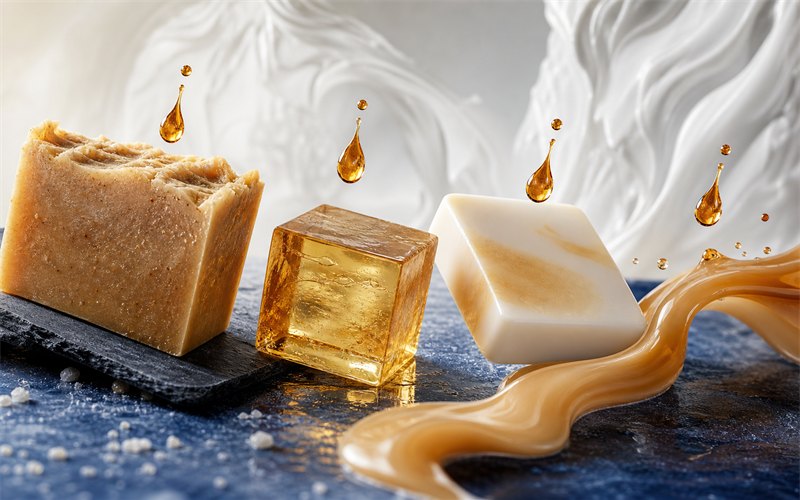
Other Causes Can Resemble Vanilla Discoloration
Fragrance is only one part of the color system. Naturally colored oils, plant powders, clays, sugars, milk, honey, overheating, gel patterns, unstable dyes, metal contamination, light, and oxidation of the base can all shift appearance. Some aroma materials outside a vanilla accord may yellow or brown in alkaline products as well.
Separate variables. An unscented control reveals base behavior; a fragrance-only control shows the scent’s contribution; a third sample can test the planned pigment or botanical.
Do not judge safety or soap quality from brown color alone. Discoloration can be cosmetic, while rancid odor, orange spots, separation, leakage, unexpected heat, or other physical changes may indicate a different failure. Investigate each symptom using batch records and the complete formulation.
A Reproducible Testing Method for Fragranced Soap
- Define the exact base, supplier lot, fragrance code, target dosage, colorant system, process, and package.
- Prepare an unscented control and at least one scented sample at the intended dosage using equal batch weights.
- Keep mixing temperature, mold, gel or cooling conditions, cut size, cure position, and air exposure consistent.
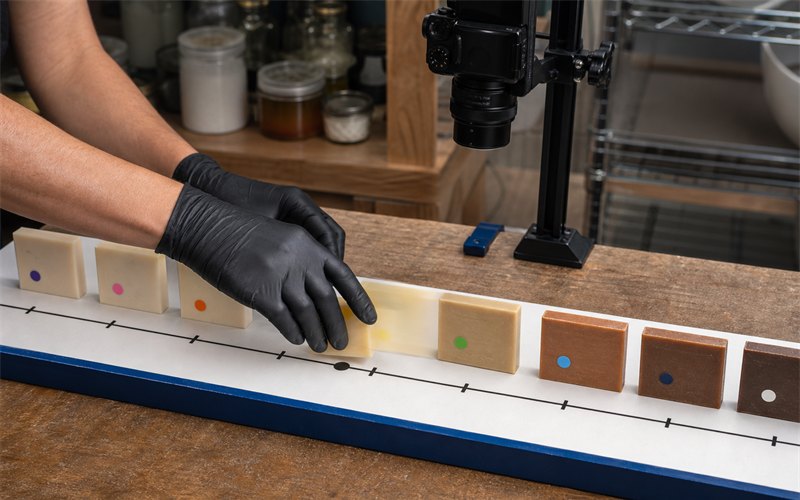
- Photograph samples under the same neutral light with a white or gray reference on day zero, day one, day seven, and a later point appropriate to the product.
- Record color, odor, texture, clarity, sweating, separation, acceleration, and any package interaction rather than tracking color alone.
- Repeat the test when the fragrance, base supplier, dosage, color system, process, or package changes materially.
Cold process observations should extend through normal cure. Melt-and-pour and liquid products need an interval that reflects sale and use. Extra heat or light conditions should follow a defined stability plan rather than an improvised windowsill test.
Use numeric sample codes and a color reference card. Consistent photographs are more useful than memory, and approval should state the acceptable shade range and observation day.
Stabilizers, Titanium Dioxide and Design Choices
Vanilla color stabilizers are product-specific. Follow directions for the exact soap format and fragrance load. Bramble Berry describes melt-and-pour use while warning that cold process results can be inconsistent or temporary. Formula-specific testing remains essential.
Titanium dioxide can lighten an opaque bar, especially when the expected shift is mild. It does not remove vanillin or guarantee that the original hue will remain. Adding more pigment can also change opacity, drag, speckling, or the visual character of a swirl.
Sometimes the most stable design accepts the brown. Reserve the fragranced portion for a caramel layer, scent only the dark side of a swirl, or choose mica and packaging that remain legible against the mature shade. Run the split design through the same test because color can migrate visually as exposed surfaces continue to darken.
What Buyers Should Request Before Approval
A useful fragrance submission identifies the commercial code and revision, intended soap format, recommended use range, vanillin content when available, observed soap behavior, and any stabilizer guidance. The technical file should also include the current SDS, allergen or compositional information needed for labeling, and the applicable IFRA Certificate of Conformity for the intended product category.
The fragrance formula guide explains why a scent can behave differently across bases even when its odor remains recognizable. For soap projects, send the supplier your base type, target dosage, color goal, process temperature, package, market, and acceptance criteria. Those details produce a more relevant sample and a defensible approval record.
Frequently Asked Questions
Does brown soap mean the fragrance oil is bad?
Usually no. Vanillin-related darkening is a common appearance change and may leave odor and washing performance acceptable. Check the batch against controls and investigate any separate signs such as rancid odor, orange spots, separation, or package failure.
Can a zero-vanillin fragrance still discolor soap?
Yes. Other fragrance materials, botanicals, oils, colorants, process heat, light, metals, or oxidation can change color. Zero vanillin reduces one familiar risk; it is not a white-soap guarantee.
Will vanilla color stabilizer work in every soap base?
No universal result is assured. Stabilizers have application-specific directions, and supplier guidance differs for melt-and-pour, cold process, hot process, and liquid products. Test the exact additive, ratio, fragrance, and base through the intended shelf period.
Does adding less fragrance always solve the problem?
A lower dosage may reduce the amount of color-active material, but the relationship is not a precise shade formula. Odor performance, safe-use limits, base compatibility, and the mature appearance all need evaluation at the selected level.
Approve the Mature Soap, Not the Fresh Pour
The relevant color is what customers see after cure, shipping, and time on shelf. A day-zero photograph is a process record; a controlled timeline shows whether the design is ready.
Scentake can develop fragrance directions around a defined soap base, odor brief, target market, dosage range, and visual requirement. Review the fragrance oil flash point guide, then contact Scentake with your base and test criteria. The goal is consistent scent and a mature color the product design can support.