
Alcohol-Free Perfume: Benefits, Limitations and Best Product Formats
Alcohol-free is a format choice, not a shortcut
An alcohol-free perfume can feel softer, more intimate and easier to carry than a classic spray fragrance. It can also open differently, project differently and ask more of the product developer. The best choice depends on where the scent will be used, what texture customers expect and how the formula behaves in its final package.
Key takeaway: Alcohol-free perfume usually uses an oil, water-based or balm-style carrier instead of ethanol. It may suit consumers seeking a gentler application feel or a travel-friendly format, yet it is not automatically longer-lasting, more suitable for every skin type or easier to formulate. The carrier changes the scent experience.
For a brand, the decision starts with product format rather than a marketing phrase. A roll-on oil, solid perfume, alcohol-free mist and scented body oil solve different customer problems. They also require different choices in fragrance concentration, preservation, clarity, stability and packaging.
What makes a perfume alcohol-free?
Traditional fine fragrance usually uses ethanol as a major carrier because it evaporates quickly and helps top notes bloom. Alcohol-free perfume replaces that carrier with another system, often a lightweight cosmetic oil, an emulsion, a water-based base, a gel or a waxy balm. The fragrance composition may still contain many of the same aromatic materials; the difference is how those materials are delivered to skin or hair.
That distinction matters on a label. “Alcohol-free” normally refers to the absence of ethyl alcohol in the finished product, while “fragrance-free” means no added fragrance ingredients. A product can be alcohol-free and strongly scented. It can also be fragrance-free and contain alcohol for another purpose.
The benefits people notice first
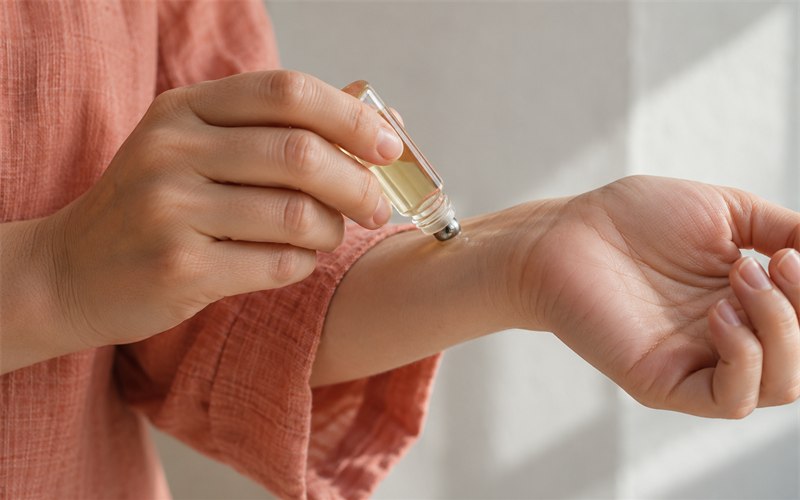
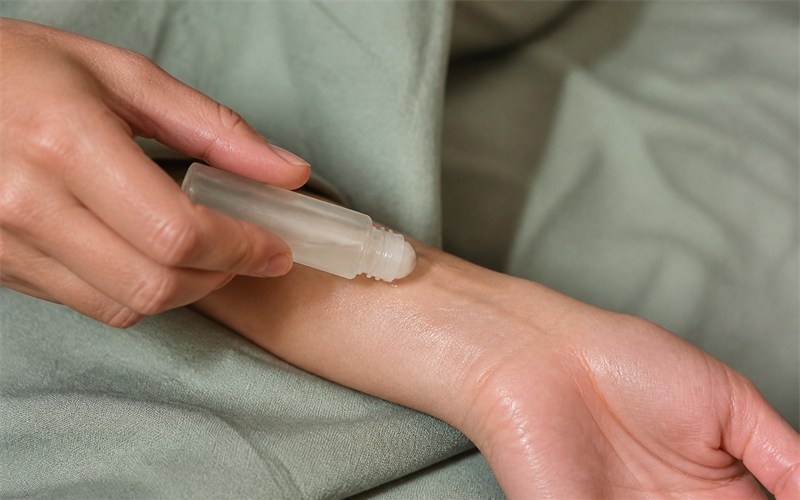
Alcohol-free formats often feel less sharp at the first moment of application because they do not have the fast flash-off of ethanol. A perfume oil or balm can sit closer to the skin, which some consumers find comfortable for work, travel or small personal rituals. Roll-ons are compact and allow controlled placement. Solid formats can be practical in a bag and avoid the leak concerns associated with spray bottles.
For product developers, these formats create room for a different sensory proposition: a nourishing oil touch, a silky balm, a cooling gel or a fine water-based mist. The format can become part of the brand experience, especially for hospitality, gifting, personal care or portable fragrance concepts.
Where alcohol-free perfume has real limitations
Ethanol helps many top-note materials diffuse rapidly. When it is removed, the opening may be quieter and the scent may remain closer to the skin. That can be an advantage for an intimate product, though it may disappoint a customer expecting the lift of a classic eau de parfum spray. Oil carriers may feel too rich in a hot climate or on certain skin preferences. Balms can soften in heat, while water-based systems may need careful preservation and stability work.
Alcohol-free does not remove the need to assess fragrance sensitivity, allergens or use-category restrictions. Any fragrance product should be designed and evaluated for its intended application. A complete formula and its supporting documents, not one carrier choice, determine the safety and compliance work needed.
Choose the format that matches the product idea
| Format | Best suited to | Strength | Watch for |
|---|---|---|---|
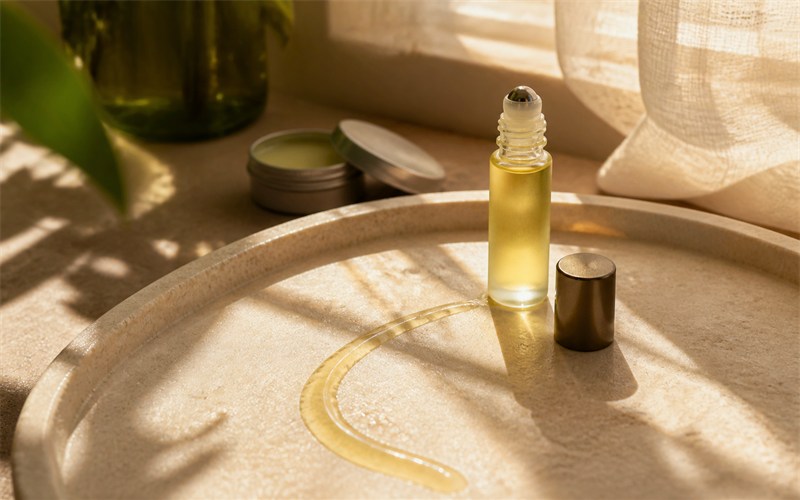
| Perfume oil or roll-on | Portable, close-to-skin fragrance | Controlled application and a soft drydown | Oil feel, staining risk and lower initial lift |
| Solid perfume balm | Travel, gifting and touch-up rituals | Compact, spill-resistant format | Heat stability, payoff and texture changes |
| Water-based mist | Fresh body or hair mist concepts | Light sensory feel and broad application | Preservation, clarity and fragrance solubility |
| Alcohol-free gel or serum | Personal-care-led fragrance concepts | Distinctive texture and controlled use | Base compatibility and package dispensing |
There is no universal winner. A warm amber oil can feel beautifully coherent in a roll-on, while a sparkling citrus concept may need a water-based mist or a conventional alcohol spray to express its opening fully. Let the scent direction and use moment lead the carrier choice.
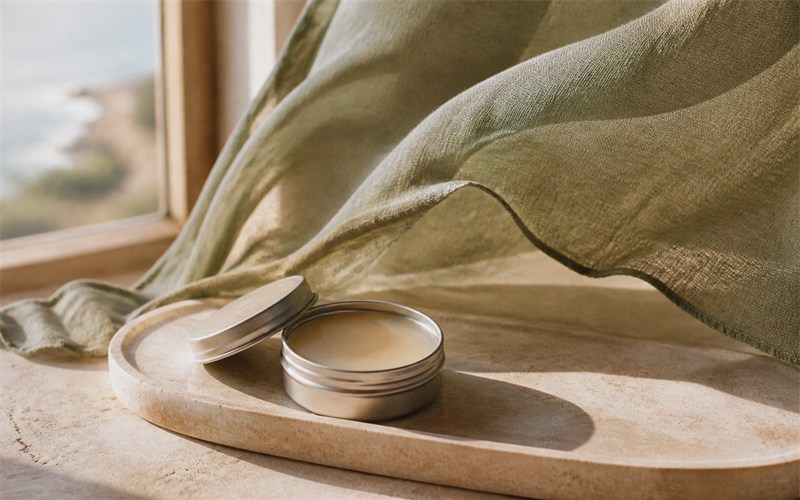
How carrier choice changes the fragrance experience
A fragrance is never experienced in isolation. Carrier, dosage, skin temperature, package and application method influence the journey from first impression to drydown. Alcohol spray creates a quick aromatic cloud. Oil slows release and may emphasize deeper materials. A balm creates a more tactile, low-diffusion experience. Water-based formats often need technical work to keep the perfume clear, stable and evenly dispersed.
Test samples in the real base and real package. Look at odor, clarity, separation, viscosity, spray or roll-on behavior, heat and cold stability, and the scent after several hours. This is also the stage to check whether an alcohol-free formula meets the brand’s target cost and intended use profile.
A practical brief for alcohol-free fragrance development
- Name the product format: oil, balm, mist, gel or another base.
- Describe the intended use: pulse points, body, hair, travel touch-up or gift set.
- Share the scent direction and desired diffusion level.
- State the target market, package concept and expected temperature exposure.
- Ask for stability, compatibility and use-specific documentation needs early.
- Evaluate samples in the final base before approving the fragrance direction.
For fragrance buyers: an exact brief reduces unnecessary sample revisions. Scentake’s custom fragrance development process can help align the fragrance direction with the product base, packaging and target market rather than treating the carrier as an afterthought. For the compliance document that confirms an intended use category, see our guide to the IFRA Certificate of Conformity.
Questions people often ask
Does alcohol-free perfume last longer?
It may stay close to the skin for a long time, particularly in an oil base, yet perceived longevity depends on the fragrance formula, dosage, skin and product format. A quieter scent trail is different from guaranteed longer wear.
Is alcohol-free perfume better for sensitive skin?
It may feel more comfortable for some people, but alcohol-free is not a blanket sensitivity or safety claim. Fragrance materials, concentration and individual factors still matter. Follow product guidance and seek suitable professional advice for known concerns.
Can alcohol-free perfume be sprayed?
Yes, if the base and package are designed for spraying. Water-based or low-viscosity systems may work in a mist format, while oils and balms are often better suited to a roll-on, dropper or solid compact.
Design the format and fragrance together
Alcohol-free perfume works best when the carrier, application ritual and scent direction reinforce one another. Choose it for a clear product reason, then test the whole system in realistic conditions. To discuss an alcohol-free perfume, body mist or solid-fragrance brief, contact Scentake with your format, market and desired sensory experience.