
Why Does the Same Perfume Smell Different from Bottle to Bottle?

Two bottles can be genuine and still smell different
You open a new bottle of a familiar perfume and the first spray feels brighter, sweeter, sharper or simply less familiar. That experience does not automatically mean the product is fake or defective. Perfume is a complex mixture, and perception changes with batch variation, storage, skin, atmosphere, spray dose and expectation.
Key takeaway: Small differences between bottles can be normal, especially with natural extracts and changing storage conditions. A clear shift in colour, odour or spray performance deserves closer attention. The most useful comparison uses two fresh samples on identical blotters, at the same dose and time interval.
For consumers, the question is usually whether the perfume still smells like itself. For brands, it becomes a quality-system question: how are materials specified, batches approved, bottles stored and finished goods compared before shipment?
Natural materials can introduce subtle variation
Botanical extracts are shaped by harvest time, climate, origin and processing. A bergamot oil, rose extract or patchouli fraction can show small aromatic differences from one supply lot to another. Good fragrance development accounts for this through material specifications, evaluation and adjustment. It does not assume that natural origin produces one immutable smell.
That variation can be part of the character of a natural-rich perfume. It should remain inside an agreed sensory range. When a brand needs tighter consistency, the perfumer may use a more controlled fraction, an aroma chemical, or a broader accord that cushions small changes in one raw material.

Storage can make the same formula smell less familiar
Even a well-made perfume can evolve when one bottle has spent time in heat or direct light. Delicate top notes may lose lift first, leaving the heart and base more prominent. An older bottle can therefore appear sweeter, darker or quieter than a newer one. See our guide on how to store perfume for the practical conditions that help preserve the intended profile.
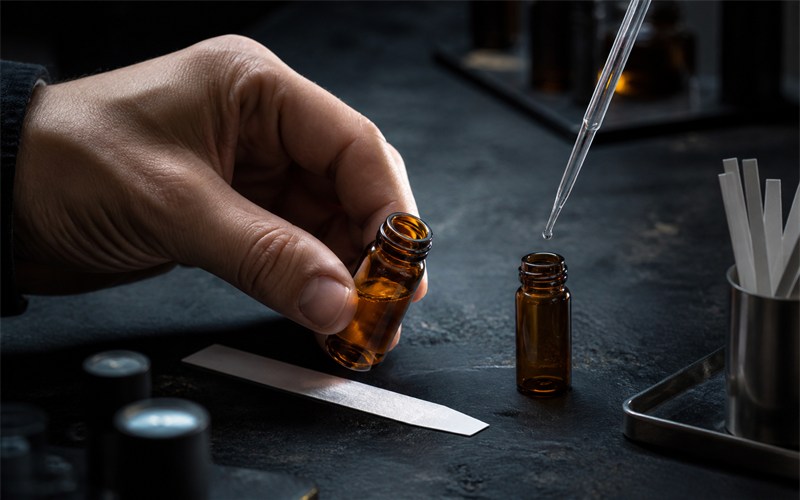
Skin also changes the experience. Temperature, hydration, recent skincare products and even nose fatigue affect what you notice. Try both bottles on paper strips first. Then test one on each wrist only if the blotter comparison suggests a real difference.
Formula updates and regional versions can be real
Brands sometimes update a formula because a material becomes restricted, unavailable, too variable, or difficult to source consistently. A regional version may also use a different concentration, labelling approach or product format. These changes should be managed carefully, since even a small substitution can alter the opening, diffusion or drydown.
The IFRA Standards set restrictions or limits for fragrance materials in defined finished-product uses. They are one reason a responsible development team reviews a complete formula against its intended application. Scentake’s explanation of IFRA certificates gives more context on how the document relates to a specific use.
When the difference may point to a problem
Look beyond the first spray. A concerning bottle may have a sour, metallic or stale smell; unusual cloudiness; a damaged or leaking closure; a weak or irregular atomizer; or a difference that stays obvious on matching blotters after the drydown. Packaging damage and an implausible purchase source can also warrant a closer check.
Common misconception: Every bottle that smells different is counterfeit. Differences can come from perception, storage, permitted formula changes or natural-material variation. Counterfeit concerns are stronger when the bottle, packaging, batch information and scent behaviour all disagree with a known authentic reference.
How fragrance brands keep batch character under control
Consistency begins with a clear sensory target and a retained reference. Teams can compare incoming fragrance concentrate, the finished product and a production retain at planned intervals. They also need specifications for colour, odour, concentration, fill level, spray performance and package compatibility. The aim is repeatable character, while allowing appropriate tolerance for materials that naturally vary.
For fragrance buyers: provide the target scent reference, product base, markets, expected volume and any ingredients that cannot be used. A precise fragrance formula brief gives the development team a clearer basis for sampling, adjustment and later batch control.
A fair way to compare two bottles
- Use clean, identical blotter strips.
- Spray the same number of times from the same distance.
- Label the strips only after spraying to reduce expectation bias.
- Compare after 5 minutes, 30 minutes and at drydown.
- Check colour, clarity, package and purchase source alongside the scent.
This simple routine separates a genuine formula difference from a passing first impression. It also mirrors the kind of controlled evaluation that supports successful sample development.
Questions people often ask
Can perfume change colour without being bad?
Yes. Some compositions deepen gradually, particularly when exposed to light or when they contain naturally coloured materials. Evaluate colour together with odour, clarity and spray behaviour.
Why does perfume smell different on my skin?
Skin temperature, moisture, skincare products and adaptation can change the way you perceive a scent. A blotter comparison gives a more controlled starting point.
How should a brand handle a necessary formula change?
Assess the revised formula in the finished base and package, compare it against a retained reference, and review any applicable safety or market documentation before release.
Consistency is a managed experience
A perfume can carry small variations and still remain recognisably itself. The important question is whether the bottle stays within the promised sensory and quality range. If you are developing a fragrance product and need a clearer sampling or batch-control process, contact Scentake with the product base, target market and reference direction.